Is Reversing Hearing Loss a Myth or a Scientific Possibility?
For millions worldwide, the gradual decline of hearing is an unwelcome reality, often dismissed as an inevitable part of aging. The idea of restoring lost hearing can seem like a distant dream, yet scientific advancements are continually pushing the boundaries of what's possible.
This comprehensive guide dives deep into the current understanding of hearing loss, exploring whether it can truly be reversed, what science says, and what promising avenues are being explored to help individuals regain their auditory clarity. We'll uncover the complexities of various hearing loss types and shed light on strategies that can support and potentially improve hearing health.
Understanding Hearing Loss: A Complex Landscape
Before we delve into the possibilities of reversal, it's crucial to understand what hearing loss entails. It's not a singular condition but a spectrum of impairments, each with its unique causes and characteristics. The inner workings of our ears are incredibly intricate, converting sound waves into electrical signals that our brain interprets.
Hearing loss can significantly impact quality of life, leading to social isolation, cognitive decline, and even an increased risk of falls. The ability to communicate effectively is fundamental to human interaction, and when this is compromised, the ripple effects can be profound. Identifying the type and cause of hearing loss is the first step toward understanding potential interventions.
What Exactly Is Hearing Loss?
At its core, hearing loss refers to a reduced ability to hear sounds compared to someone with normal hearing. This can range from mild, where soft sounds are difficult to hear, to profound, where even loud sounds are inaudible. It can affect one ear (unilateral) or both ears (bilateral) and can develop suddenly or gradually over time. The impact extends beyond simply not hearing; it often involves difficulty understanding speech, especially in noisy environments, and a general feeling of being disconnected from conversations.
Types of Hearing Loss: Not All Are Created Equal
The human auditory system is a marvel of biological engineering, involving mechanical, fluid-dynamic, and neurological processes. Damage to any part of this complex system can result in hearing loss. Broadly, hearing loss is categorized into three main types:
- Conductive Hearing Loss: This type occurs when sound waves are unable to pass efficiently through the outer or middle ear. It's often caused by blockages or damage to the eardrum or the tiny bones (ossicles) in the middle ear. Common culprits include earwax buildup, middle ear infections (otitis media), a perforated eardrum, or otosclerosis (hardening of the middle ear bones).
- Sensorineural Hearing Loss (SNHL): This is the most common and often permanent type of hearing loss, occurring due to damage to the inner ear (cochlea) or the nerve pathways from the inner ear to the brain. The delicate hair cells within the cochlea, which convert sound vibrations into electrical signals, are typically the culprits. Once these hair cells are damaged or destroyed, they do not regenerate in humans. Common causes include aging (presbycusis), noise exposure, genetics, certain medications (ototoxic drugs), and head trauma.
- Mixed Hearing Loss: As the name suggests, this type is a combination of both conductive and sensorineural hearing loss. It means there's damage in the outer or middle ear AND in the inner ear or auditory nerve.
For the purpose of this discussion, our primary focus will be on sensorineural hearing loss, particularly age-related hearing loss (presbycusis), as it represents the most common and challenging form when discussing the concept of "reversal."
💡 Key Takeaway
Hearing loss is a diverse condition, with conductive types often being treatable or reversible, while sensorineural hearing loss, especially age-related (presbycusis), poses a greater challenge due to permanent damage to inner ear hair cells. Understanding the specific type is critical for evaluating treatment options.
The Science of Reversibility: Current Realities
The question of whether hearing loss can be reversed is met with a nuanced answer, largely dependent on the type and cause of the impairment. While some forms are readily reversible, others remain a significant challenge for medical science.
Reversing Conductive Hearing Loss
Good news often accompanies conductive hearing loss because, in many cases, it *is* reversible. The issues are typically mechanical and can be corrected. For instance:
- Earwax Buildup: A simple and common cause. Removal by a healthcare professional can instantly restore hearing.
- Middle Ear Infections: Antibiotics or other medications can clear the infection, resolving the temporary hearing loss.
- Perforated Eardrum: Small perforations often heal on their own. Larger ones may require surgical repair (tympanoplasty).
- Otosclerosis: A condition where the stapes bone in the middle ear hardens. Surgery (stapedectomy) can replace the affected bone, significantly improving hearing.
These examples demonstrate that when the problem lies in the transmission of sound to the inner ear, medical or surgical interventions can often achieve a full or significant reversal of hearing loss.
Sensorineural Hearing Loss: The Greater Challenge
This is where the concept of reversal becomes more complex. Sensorineural hearing loss, particularly presbycusis, is predominantly caused by damage to the delicate hair cells in the cochlea. These outer and inner hair cells are responsible for amplifying sound and converting mechanical vibrations into electrical signals that travel to the brain. In mammals, including humans, these hair cells do not regenerate once damaged or destroyed.
Therefore, conventional medicine currently considers most cases of SNHL, especially age-related hearing loss and noise-induced hearing loss, to be largely irreversible. The focus shifts from reversal to management and mitigation through technologies like hearing aids and cochlear implants.
However, it's important to differentiate between "irreversible" in terms of current clinical practice and "irreversible" in the face of ongoing scientific discovery. While a pill to regrow hair cells isn't on the market today, research is intensely focused on making that a reality.
Emerging Frontiers: Hope for the Future
Despite the current limitations for reversing sensorineural hearing loss, the scientific community is making tremendous strides in understanding and potentially overcoming these challenges. The future of hearing restoration is bright, with several groundbreaking research areas offering significant hope.
Gene Therapy and Hearing Restoration
One of the most exciting avenues is gene therapy. Researchers are exploring ways to deliver specific genes into the inner ear to either protect existing hair cells from damage or stimulate the regeneration of new ones. For example, some forms of congenital hearing loss are caused by mutations in single genes. Gene therapy aims to correct these mutations or introduce genes that can induce hair cell growth or repair. Early clinical trials have shown promising results in animal models, leading to cautious optimism for human applications.
Stem Cell Research for Auditory Regeneration
Stem cells, with their remarkable ability to differentiate into various cell types, are another major focus. Scientists are investigating whether stem cells can be introduced into the inner ear to replace damaged hair cells or supporting cells. The challenge lies in guiding these cells to differentiate correctly and integrate functionally into the complex auditory system. While still largely in preclinical stages, this research offers the potential for true biological regeneration of auditory structures.
Pharmacological Interventions
Beyond gene and stem cell therapies, pharmaceutical research is active in developing drugs that can protect against hearing loss or promote recovery. This includes medications designed to:
- Neuroprotection: Shield delicate auditory nerve cells from damage caused by noise, aging, or ototoxic drugs.
- Antioxidants: Combat oxidative stress, a known contributor to hair cell damage and aging.
- Growth Factors: Stimulate the repair or survival of inner ear cells.
- Hair Cell Regeneration: Identify and activate dormant progenitor cells in the cochlea that might have the capacity to become new hair cells.
While these interventions are not yet widely available, they represent the leading edge of medical science dedicated to finding a true reversal for sensorineural hearing loss.
Beyond Reversal: Strategies for Managing and Supporting Hearing Health
While we await the breakthroughs in regenerative medicine, there are numerous practical and effective strategies available today to manage existing hearing loss, protect remaining hearing, and support overall auditory health. These approaches focus on prevention, lifestyle, and supportive care.
Prioritize Noise Protection
Chronic exposure to loud noise is a leading preventable cause of permanent hearing loss. Using earplugs or earmuffs in noisy environments (concerts, construction sites, shooting ranges) is crucial. Also, be mindful of headphone volume and duration of listening.
Embrace a Healthy Lifestyle
What's good for your heart is often good for your ears. A diet rich in antioxidants, vitamins, and minerals supports overall cellular health, including the delicate cells of the inner ear. Regular exercise improves circulation, which is vital for inner ear function. Managing conditions like diabetes and high blood pressure also helps prevent damage to the tiny blood vessels supplying the ears.
Regular Hearing Check-ups
Early detection is key. Regular hearing tests, especially if you're over 50 or have risk factors, can identify hearing loss early, allowing for timely intervention and management. An audiologist can provide personalized advice and treatment options.
Traditional Interventions: Hearing Aids and Cochlear Implants
For established SNHL, hearing aids remain the primary treatment. Modern hearing aids are sophisticated devices that can be precisely programmed to amplify specific frequencies, significantly improving speech understanding and overall auditory perception. For severe to profound hearing loss, cochlear implants can bypass damaged parts of the inner ear and directly stimulate the auditory nerve, providing a sensation of sound.
The Role of Nutritional Support and Supplements
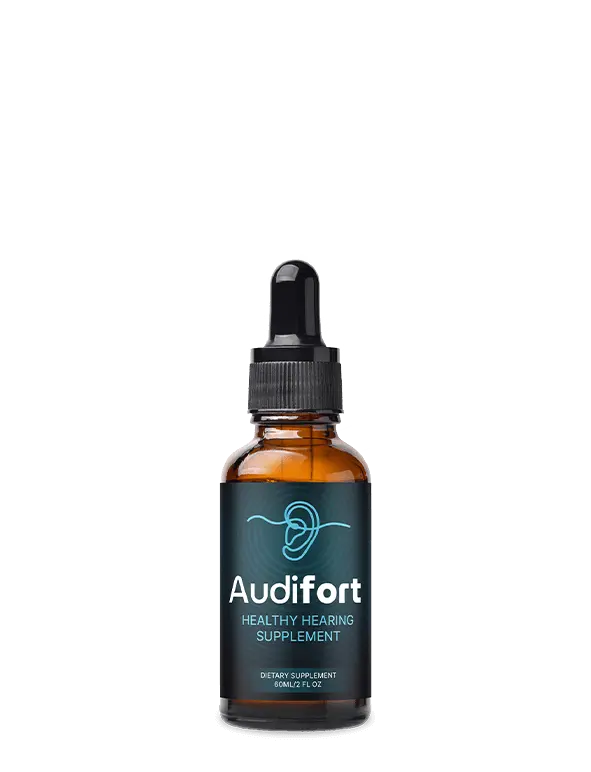
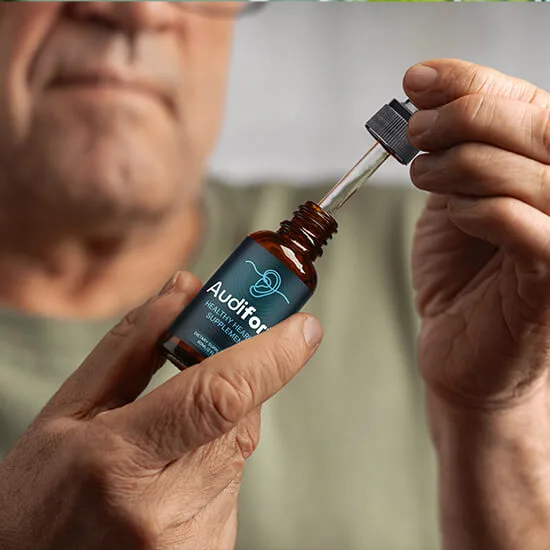
While not a cure, certain nutrients are vital for auditory health. Antioxidants like Vitamins C and E, magnesium, zinc, and specific plant extracts can help protect inner ear cells from oxidative stress and inflammation. Supplements, such as AudiFort, are designed to deliver a concentrated blend of these beneficial ingredients to support optimal ear function and potentially slow age-related decline. For more details on choosing the best supplements, you might find our article on Choosing the Best Hearing Health Supplement for You insightful.
Cognitive Engagement and Brain Health
Hearing is not just about the ears; it's also about how the brain processes sound. Engaging in mentally stimulating activities, maintaining social connections, and addressing hearing loss proactively can help keep the auditory pathways in the brain active and reduce the risk of cognitive decline associated with untreated hearing loss.
AudiFort: Natural Ingredients for Auditory Health Support
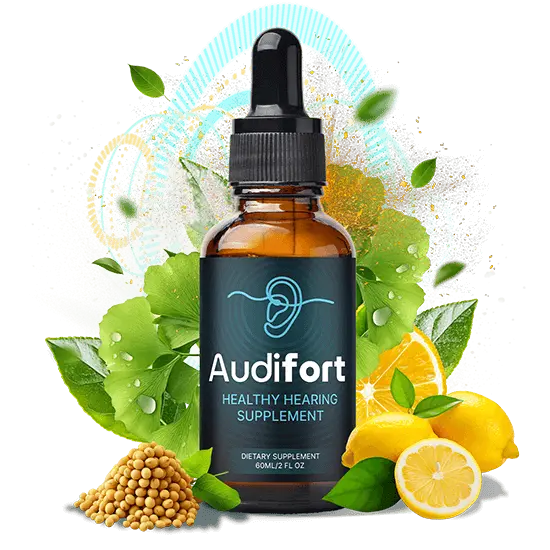
AudiFort is a dietary supplement formulated with a synergistic blend of natural ingredients, each selected for its potential role in supporting hearing health and protecting the delicate structures of the inner ear. While it does not claim to reverse hearing loss, it aims to provide comprehensive nutritional support against factors contributing to age-related decline.

Capsicum Annuum (Cayenne Pepper)
Role: Known for its active compound capsaicin, which supports healthy circulation. Improved blood flow to the inner ear is crucial for delivering essential nutrients and oxygen, supporting hair cell function and overall auditory health.
Typical Dose: 40-100mg extract
GABA (Gamma-Aminobutyric Acid)
Role: An inhibitory neurotransmitter that plays a crucial role in the central nervous system, including auditory processing. It may help calm overactive neural pathways often associated with conditions like tinnitus and support balanced auditory function.
Typical Dose: 100-500mg
Grape Seed Extract
Role: A potent antioxidant, rich in proanthocyanidins. It helps protect cells from oxidative stress and free radical damage, which are significant contributors to age-related cellular degeneration in the inner ear and auditory pathways.
Typical Dose: 50-300mg
Green Tea Extract
Role: Contains powerful antioxidants, particularly catechins like EGCG. These compounds offer neuroprotective benefits and help reduce inflammation, further safeguarding auditory cells against environmental and age-related damage.
Typical Dose: 250-500mg extract
Gymnema Sylvestre
Role: Traditionally used for its metabolic benefits, it may indirectly support hearing health by helping to regulate blood sugar levels. Stable glucose levels are important for the health of the delicate blood vessels supplying the inner ear.
Typical Dose: 200-400mg extract
Maca Root
Role: An adaptogen known for enhancing energy, stamina, and overall vitality. While not directly linked to hearing, its general health benefits can contribute to improved circulation and reduced stress, indirectly supporting auditory system resilience.
Typical Dose: 500-1500mgBy combining these powerful ingredients, AudiFort aims to create an environment conducive to optimal auditory function, offering a natural approach to supporting long-term hearing health. For a detailed comparison of AudiFort with other supplements, see our article AudiFort vs. Other Hearing Supplements: A Detailed Comparison.
Ready to Support Your Hearing Health Naturally?
Don't let age-related hearing decline diminish your quality of life. AudiFort offers a powerful, natural formula designed to nourish your auditory system and support clear, vibrant hearing. Take proactive steps towards better ear health today.
- ✓ Supports healthy inner ear function
- ✓ Protects delicate hair cells from oxidative stress
- ✓ Promotes healthy blood flow to the auditory system
- ✓ Formulated with natural, scientifically-backed ingredients
- ✓ Manufactured in a GMP-certified facility




The Connection Between Hearing Loss and Overall Well-being
It's increasingly clear that hearing health is not an isolated concern but deeply intertwined with overall physical and mental well-being. Untreated hearing loss can have far-reaching consequences that extend beyond simply not hearing well.
Research has established a strong link between untreated hearing loss and an increased risk of cognitive decline, including dementia. The brain expends more effort trying to decipher distorted sounds, diverting resources from other cognitive functions. This constant strain can lead to mental fatigue and potentially accelerate cognitive aging. Furthermore, the social isolation often experienced by individuals with hearing loss can contribute to feelings of loneliness, depression, and anxiety.
Conversely, addressing hearing loss, whether through hearing aids, cochlear implants, or supportive therapies, can significantly improve cognitive function, reduce the risk of social withdrawal, and enhance overall quality of life. Taking proactive steps to support your hearing health, even if complete reversal isn't currently possible, is an investment in your long-term health and happiness. This includes exploring options for conditions like tinnitus, which often accompanies hearing loss. You can learn more about managing this in our article: Natural Remedies for Tinnitus Relief: What Works?
What Our Customers Are Saying
"I was skeptical at first, but after a few weeks of taking AudiFort, I noticed a subtle but definite improvement. Sounds seem clearer, and I don't have to strain as much during conversations. It's truly made a difference in my daily life."
"My age-related hearing loss was starting to make me withdraw from social gatherings. AudiFort has given me back some confidence. I feel like my ears are more 'awake,' and I'm catching more of what's being said around me. Highly recommend!"
"I've tried various supplements over the years, but AudiFort stands out. The natural ingredients make me feel good about what I'm putting into my body, and I've experienced a noticeable clarity in my hearing, especially in distinguishing voices. It's a game-changer."
Frequently Asked Questions
Can age-related hearing loss truly be reversed?
+While a complete reversal of age-related sensorineural hearing loss (presbycusis) is not currently possible with conventional treatments, significant advancements are being made in areas like gene therapy and stem cell research that offer future hope. Current strategies focus on management, prevention, and supporting existing auditory function.
What is the main cause of age-related hearing loss?
+Age-related hearing loss, or presbycusis, is primarily caused by the gradual degeneration of hair cells in the inner ear, along with changes in the auditory nerve and brain pathways. Cumulative exposure to noise, genetics, and other health factors can accelerate this process.
Are there any natural ways to improve hearing?
+While natural remedies cannot reverse established hearing loss, certain lifestyle changes and nutritional support can help maintain and protect auditory health. This includes a balanced diet rich in antioxidants, regular exercise, avoiding excessive noise, and managing underlying health conditions. Some supplements contain ingredients that support inner ear health.
How do supplements like AudiFort support hearing?
+AudiFort is formulated with a blend of natural ingredients known for their antioxidant, anti-inflammatory, and neuroprotective properties. These ingredients are chosen to support healthy blood flow to the inner ear, protect delicate hair cells from oxidative stress, and support neurological pathways involved in hearing. It aims to complement a healthy lifestyle and mitigate factors contributing to age-related decline.
What kind of research is being done to reverse hearing loss?
+Cutting-edge research is exploring several promising avenues for hearing loss reversal, including gene therapy to restore hair cell function, stem cell regeneration to grow new auditory cells, and pharmacological interventions to protect existing cells or stimulate repair mechanisms. These are mostly in experimental stages but hold significant potential.
When should I consult a doctor about my hearing?
+You should consult an audiologist or ENT specialist if you notice any changes in your hearing, such as difficulty understanding conversations, needing to turn up TV volume, ringing in the ears (tinnitus), or experiencing dizziness. Early diagnosis and intervention are crucial for managing hearing loss effectively.
Related Articles