Is your hearing fading with time? Discover the root causes.
Age-related hearing loss, scientifically known as presbycusis, is a silent epidemic affecting millions worldwide. It’s a condition many accept as an inevitable part of getting older, but understanding its underlying causes is the first step towards better prevention and management.
This comprehensive guide, authored by an audiological health researcher and reviewed by a board-certified ENT specialist, will shed light on the intricate mechanisms that contribute to this common yet often misunderstood condition. We'll explore everything from genetic predispositions to environmental culprits, helping you identify potential risk factors and empowering you with knowledge to protect your auditory health as you age.
Understanding Presbycusis: More Than Just "Getting Old"
Age-related hearing loss, or presbycusis, is a progressive and often symmetric decline in hearing sensitivity that occurs with advancing age. It is one of the most common chronic health conditions affecting older adults, yet its complexity is often oversimplified. While aging is undeniably a primary factor, presbycusis is not merely a consequence of "wear and tear" but rather a multifaceted condition influenced by a convergence of genetic, environmental, and lifestyle elements.
For many, the onset of presbycusis is insidious, with symptoms developing so gradually that they often go unnoticed for years. Initially, individuals might struggle with high-pitched sounds or find it challenging to follow conversations in noisy environments. Over time, speech clarity diminishes, leading to social isolation and reduced quality of life. Recognizing that this condition stems from a variety of interconnected causes is crucial for effective prevention, early diagnosis, and appropriate management strategies. It's about empowering individuals to take proactive steps rather than passively accepting hearing decline.
The Inner Workings: Physiological Changes in the Ear
At the heart of age-related hearing loss are subtle, yet significant, changes within the delicate structures of the inner ear, primarily the cochlea. These physiological alterations accumulate over decades, gradually impairing the ear's ability to convert sound waves into electrical signals that the brain can interpret.
One of the most prominent causes is the degeneration of hair cells in the cochlea. These tiny, specialized sensory cells are responsible for detecting sound vibrations and transmitting them to the auditory nerve. As we age, these hair cells, particularly those that detect high-frequency sounds, become damaged or die off. Unlike other cells in the body, mammalian hair cells do not regenerate, meaning their loss is permanent. This damage is often exacerbated by a lifetime of exposure to noise and other stressors, leading to a progressive decline in hearing acuity.
Beyond the hair cells, the auditory nerve itself can undergo degeneration. The nerve fibers that transmit signals from the cochlea to the brain can lose their myelin sheath, which insulates nerve fibers and speeds up signal transmission, or the nerve cells themselves can die. This reduction in nerve fiber density impairs the brain's ability to accurately receive and process auditory information, even if some hair cells are still functional. This can lead to difficulties in understanding speech, especially in complex listening situations.
Another critical physiological factor is the atrophy of the stria vascularis. Located in the cochlea, the stria vascularis is responsible for producing endolymph, a fluid essential for hair cell function, and maintaining the proper electrochemical balance within the cochlea. As it atrophies with age, its ability to provide nutrients and oxygen to the hair cells diminishes, leading to their dysfunction and eventual death. This can also affect the electrical potential necessary for sound transduction, further contributing to hearing loss.
While less common as primary causes of presbycusis, age-related changes in the middle ear structures can also play a role. The ossicles (malleus, incus, stapes) can become stiffer, and the eardrum may lose some of its elasticity. These changes can slightly impede the efficient transmission of sound vibrations to the inner ear, although their contribution to the overall picture of presbycusis is typically secondary to inner ear pathology.
Finally, the brain's own ability to process and interpret auditory information can decline with age. This is known as central auditory processing disorder (CAPD) in older adults. Even with relatively intact peripheral hearing, the brain may struggle with tasks like separating speech from background noise, localizing sounds, or understanding rapid speech. This central component highlights that hearing is not just about the ears, but also about the brain's capacity to make sense of what the ears detect.
💡 Key Takeaway
Age-related hearing loss is a complex interplay of inner ear damage, nerve degeneration, and central auditory processing changes, not just simple aging. Understanding these physiological shifts is vital for appreciating the condition's multifaceted nature.
The Role of Genetics: Is Hearing Loss in Your DNA?
Beyond the general wear and tear of aging, individual susceptibility to presbycusis is significantly influenced by genetic factors. If your parents or grandparents experienced early or severe age-related hearing loss, you might have a higher predisposition to developing the condition yourself. This genetic component highlights why some individuals maintain excellent hearing well into old age, while others experience significant decline much earlier.
Research has identified several genes that are thought to play a role in age-related hearing loss. These genes can influence various aspects of auditory function, including the development and maintenance of hair cells, the integrity of the auditory nerve, and the metabolic processes within the cochlea. For example, variations in genes like KCNQ4, which is involved in potassium channel function in hair cells, or GJB2, which codes for a gap junction protein crucial for cochlear function, have been linked to an increased risk of presbycusis. These genetic predispositions can make the inner ear more vulnerable to environmental damage and the natural aging process.
It's important to understand that genetic predisposition doesn't guarantee you will develop significant hearing loss, but it does mean you might be more susceptible. This knowledge can be empowering, prompting individuals with a family history of hearing loss to be more vigilant about preventive measures. This includes proactive hearing protection, regular check-ups, and adopting a healthy lifestyle to mitigate other risk factors. While we cannot change our genes, understanding their influence allows for a more personalized approach to hearing health management.
Environmental Factors: The Silent Threats to Your Hearing
While genetics lay the groundwork, environmental factors often act as powerful accelerators of age-related hearing loss. Our daily lives expose us to numerous elements that can quietly chip away at our auditory system, leading to cumulative damage over time that becomes more apparent as we age. Recognizing and mitigating these external threats is paramount for preserving hearing.
Chronic Noise Exposure
Perhaps the most well-known environmental culprit is prolonged exposure to loud noise. This includes occupational noise (e.g., construction, manufacturing), recreational noise (e.g., concerts, hunting, power tools), and even everyday urban din. Loud sounds can physically damage the delicate hair cells in the cochlea, leading to their irreversible destruction. The cumulative effect of years of noise exposure significantly contributes to presbycusis, making the ears more vulnerable to age-related decline.
Ototoxic Medications
Certain medications are known to be "ototoxic," meaning they can damage the inner ear. These include some antibiotics (like aminoglycosides), chemotherapy drugs (e.g., cisplatin), high doses of aspirin, NSAIDs, and certain diuretics. The damage can be temporary or permanent, affecting hair cells or the auditory nerve. It's crucial to discuss potential ototoxic side effects with your doctor, especially if you have existing hearing issues or are on long-term medication regimens.
Smoking and Alcohol Consumption
Lifestyle choices such as smoking and excessive alcohol intake also contribute to hearing loss. Smoking can impair blood flow to the inner ear, depriving hair cells of oxygen and essential nutrients. It also introduces harmful toxins into the body, increasing oxidative stress. Excessive alcohol consumption can lead to temporary hearing issues and, over time, may contribute to permanent damage by affecting the brain's ability to process sound and potentially damaging the inner ear directly.
Exposure to Toxins and Pollution
Emerging research suggests that exposure to certain environmental toxins and air pollution might also play a role in hearing decline. Heavy metals, solvents, and particulate matter in polluted air can induce oxidative stress and inflammation, potentially damaging the delicate structures of the inner ear. While more research is needed, this highlights the broader impact of our environment on overall health, including our auditory system.
Lifestyle and Health Conditions: The Systemic Impact on Hearing
Our overall health and lifestyle choices profoundly impact the vitality of our auditory system. Systemic diseases and daily habits can directly or indirectly affect the delicate structures of the inner ear, accelerating age-related hearing loss. Understanding these connections empowers us to manage our health more holistically, potentially preserving our hearing for longer.
Cardiovascular disease is a significant contributor. Conditions like hypertension (high blood pressure), high cholesterol, and atherosclerosis (hardening of the arteries) can restrict blood flow to the inner ear. The cochlea relies on a rich and consistent blood supply to function optimally. When this supply is compromised, the hair cells and nerve fibers are deprived of oxygen and nutrients, leading to damage and accelerated degeneration. Managing heart health through diet, exercise, and medication is therefore crucial for hearing preservation.
Similarly, diabetes poses a substantial risk. Uncontrolled blood sugar levels can damage small blood vessels throughout the body, including those supplying the inner ear. This microvascular damage can impair the function of the stria vascularis and lead to hair cell death. Studies have shown that individuals with diabetes are significantly more likely to develop hearing loss compared to those without the condition. Effective management of diabetes is thus a key preventive measure against auditory decline.
Kidney disease also has surprising links to hearing loss. The kidneys and the inner ear share similar physiological processes and biochemical pathways, including fluid and electrolyte balance. Dysfunction in one system can sometimes manifest in the other. While the exact mechanisms are still being researched, it’s understood that kidney disease can contribute to metabolic imbalances that negatively impact auditory function.
Less common but still relevant are conditions like thyroid dysfunction and certain autoimmune diseases. An underactive or overactive thyroid can affect metabolic processes critical for inner ear health. Autoimmune diseases, in rare instances, can cause the body's immune system to mistakenly attack inner ear tissues, leading to sudden or progressive hearing loss. These conditions underscore the intricate connections between different bodily systems and the importance of addressing overall health for hearing preservation.
Beyond chronic diseases, general lifestyle factors such as poor nutrition can contribute. A diet lacking in essential vitamins (like B12, folate) and antioxidants can leave the inner ear vulnerable to oxidative stress and inflammation, which are key drivers of cellular aging and damage. For those exploring various avenues for auditory wellness, understanding the best supplements for hearing clarity can be a valuable step, though always in consultation with a healthcare professional.
Head trauma, even seemingly minor concussions, can sometimes lead to immediate or delayed hearing issues, including tinnitus or hearing loss, by disrupting the delicate structures of the inner ear or the auditory pathways in the brain. The cumulative effect of these systemic factors makes a strong case for a proactive, holistic approach to health as a cornerstone of hearing preservation.
Oxidative Stress and Inflammation: The Cellular Assault
The Free Radical Threat
At a cellular level, one of the most significant contributors to age-related hearing loss is oxidative stress. This occurs when there's an imbalance between the production of harmful free radicals and the body's ability to neutralize them with antioxidants. Free radicals are unstable molecules that can damage cellular components, including DNA, proteins, and lipids, within the delicate hair cells and nerve fibers of the inner ear. Over time, this cumulative damage leads to cell dysfunction and death, directly contributing to the decline in hearing.
Chronic Inflammation's Role
Closely linked to oxidative stress is chronic inflammation. While acute inflammation is a vital part of the body's healing process, persistent low-grade inflammation can be highly destructive. In the inner ear, chronic inflammation can lead to the release of inflammatory mediators that damage cochlear structures, including the stria vascularis and hair cells. This inflammatory environment can accelerate cellular aging and impair the cochlea's ability to function properly, further exacerbating age-related hearing loss.
Nutritional Deficiencies
A diet lacking in antioxidants and key nutrients can leave the auditory system particularly vulnerable to oxidative stress and inflammation. Vitamins C and E, magnesium, zinc, and various phytonutrients found in fruits and vegetables are crucial for protecting cells from free radical damage. When these are deficient, the body's natural defense mechanisms are weakened, making the inner ear more susceptible to age-related degeneration. Ensuring adequate nutritional intake is a foundational step in supporting hearing health.
Strategies for Prevention and Management: Taking Control of Your Hearing Health
While some aspects of age-related hearing loss are inevitable, a proactive approach encompassing preventive measures and effective management strategies can significantly impact the trajectory of your auditory health. Understanding the causes is the first step; acting on that knowledge is the key to preserving your hearing and enhancing your quality of life.
Hearing Protection: This is arguably the most critical preventive measure against noise-induced damage, a major contributor to presbycusis. Always use earplugs or earmuffs when exposed to loud noises, whether at work, during recreational activities like concerts or hunting, or when using power tools. Reduce exposure time to loud environments and keep the volume down on personal listening devices. Consistent protection can save your hair cells from irreversible damage.
Regular Hearing Checks: Early detection is paramount. Schedule baseline hearing tests in your 40s or 50s, and then regularly thereafter, especially if you notice any changes or have risk factors. An audiologist can identify subtle shifts in hearing and recommend early interventions, preventing further decline and allowing for timely management. Many individuals seek out natural hearing health relief remedies to complement their treatment plans, which can be discussed during these consultations.
Healthy Lifestyle Choices: A holistic approach to health benefits your hearing. Maintain a balanced diet rich in antioxidants, vitamins, and minerals. Regular exercise improves circulation, including blood flow to the inner ear. Manage stress, get adequate sleep, and avoid smoking and excessive alcohol consumption, all of which contribute to overall cellular health and can mitigate oxidative stress and inflammation that harm auditory structures.
Managing Chronic Health Conditions: Proactively manage conditions like diabetes, hypertension, and cardiovascular disease. Regular check-ups, medication adherence, and lifestyle modifications to keep these conditions under control can prevent their damaging effects on the delicate blood vessels and metabolic processes of the inner ear. This integrated approach to health is vital for preserving auditory function.
Awareness of Ototoxic Medications: Be informed about medications that can harm your hearing. Always discuss your full medical history and any existing hearing concerns with your doctor when new prescriptions are considered. If an ototoxic drug is necessary, inquire about the lowest effective dose or alternative treatments, and monitor your hearing closely during treatment.
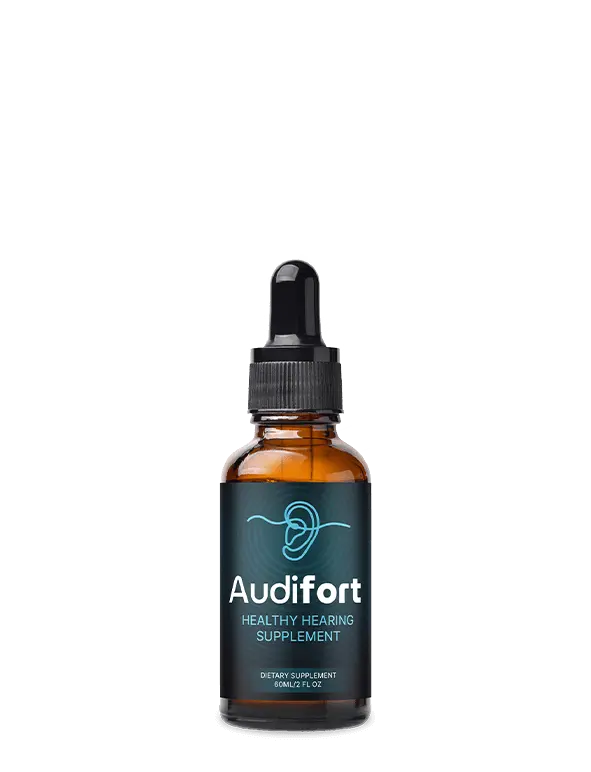
Nutritional Support: While no supplement can cure or reverse established hearing loss, some individuals explore nutritional support to promote overall auditory health. Ingredients like antioxidants (e.g., grape seed extract, green tea), vitamins (e.g., B vitamins), and minerals (e.g., magnesium, zinc) are sometimes used to combat oxidative stress and support circulation to the inner ear. Products like AudiFort, with its blend of natural ingredients, are formulated to provide targeted nutritional elements that may help support the delicate structures of the inner ear. When considering specific products, it's wise to perform an AudiFort vs. other hearing supplements comparison to make an informed decision based on ingredients and efficacy claims.
Hearing Aids and Assistive Devices: For those with established hearing loss, modern hearing aids offer significant improvements in sound amplification and clarity. They are custom-fitted and programmed to address specific hearing profiles. Assistive listening devices (ALDs) can further enhance listening in challenging situations. In severe cases, cochlear implants may be an option. Consulting with an audiologist will help determine the best assistive technology for your needs.
Key Natural Ingredients for Auditory Wellness Support
Supporting hearing health involves a multi-faceted approach, and for many, this includes incorporating natural ingredients known for their beneficial properties. While dietary supplements are not a cure for age-related hearing loss, certain botanicals and compounds can provide nutritional support for the delicate structures of the inner ear, helping to combat oxidative stress, improve circulation, and support neurological function. Here are some notable ingredients often found in hearing support formulas like AudiFort:

Grape Seed Extract
Role: A powerful antioxidant, grape seed extract is rich in proanthocyanidins, which help protect cells from oxidative damage caused by free radicals. It also supports healthy blood vessel function and microcirculation, crucial for delivering oxygen and nutrients to the inner ear.
Typical Dose: 100-300mg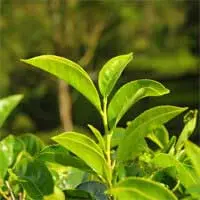
Green Tea Extract
Role: Known for its high concentration of polyphenols, particularly epigallocatechin gallate (EGCG), green tea extract offers robust antioxidant and anti-inflammatory properties. These compounds help protect inner ear cells from damage and support overall cellular health.
Typical Dose: 200-400mg
Capsicum Annuum
Role: Often associated with cayenne pepper, Capsicum annuum contains capsaicinoids that can support healthy blood flow and microcirculation. Improved circulation is vital for ensuring the inner ear receives adequate oxygen and nutrients, which can be compromised with age.
Typical Dose: 50-150mg
Maca Root
Role: An adaptogenic herb, Maca root is traditionally used to support energy, stamina, and overall vitality. While not directly linked to hearing, its general adaptogenic properties can help the body cope with stress and support systemic health, indirectly benefiting auditory well-being.
Typical Dose: 200-500mg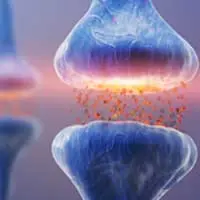
GABA (Gamma-Aminobutyric Acid)
Role: GABA is a primary inhibitory neurotransmitter in the brain, playing a crucial role in calming neural activity. It is important for regulating neural excitability in the auditory pathway and may help in managing stress and supporting healthy brain function related to sound processing.
Typical Dose: 100-250mg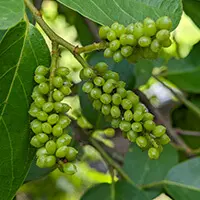
Gymnema Sylvestre
Role: Known for its traditional use in supporting healthy blood sugar levels, Gymnema Sylvestre can indirectly benefit hearing health. Maintaining stable blood sugar is critical for protecting the delicate microvasculature of the inner ear, which can be damaged by metabolic imbalances.
Typical Dose: 100-200mg
Ready to Take a Proactive Step Towards Better Hearing Health?
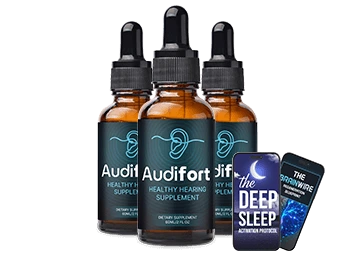
Don't let age-related hearing decline diminish your quality of life. AudiFort is a meticulously crafted natural supplement designed to support the delicate structures of your inner ear and promote overall auditory well-being. Formulated with a blend of potent antioxidants and essential nutrients, AudiFort aims to help you maintain clearer, sharper hearing.
- ✓ Supports healthy inner ear function
- ✓ Protects against oxidative stress
- ✓ Promotes healthy circulation to auditory pathways
- ✓ Formulated with 100% natural ingredients
- ✓ Manufactured in a GMP-certified facility




What Our Customers Are Saying
"I've been using AudiFort for three months, and I've noticed a significant improvement in my ability to follow conversations in crowded places. My family even commented that I'm not asking 'What?' as often. It's truly made a difference in my daily interactions."
"As someone in my late 60s, I expected my hearing to just keep getting worse. But with AudiFort, I feel like I'm hearing things more clearly, especially higher frequencies. It's given me back some confidence in social settings. Highly recommend for anyone looking to support their hearing."
"I was skeptical at first, but after trying AudiFort, I'm genuinely impressed. The constant ringing I used to experience has lessened, and I just feel more 'aware' of sounds around me. It's a subtle but profound change that I'm very grateful for."
Frequently Asked Questions
What exactly is age-related hearing loss, or presbycusis?
+Age-related hearing loss, medically known as presbycusis, is the gradual loss of hearing that occurs as people get older. It typically affects both ears equally and is most often characterized by difficulty hearing high-pitched sounds and understanding speech in noisy environments. It's a common condition, affecting millions worldwide, and is a natural part of the aging process for many.
Can age-related hearing loss be prevented entirely?
+While some aspects of presbycusis are linked to genetic factors and natural aging processes that cannot be entirely prevented, many contributing factors can be mitigated. Protecting your ears from excessive noise, managing chronic health conditions like diabetes and cardiovascular disease, avoiding ototoxic medications when possible, and adopting a healthy lifestyle can significantly reduce the risk and slow the progression of age-related hearing loss. Early intervention and regular hearing checks are also crucial.
What are the early signs and symptoms of presbycusis?
+Early signs of age-related hearing loss are often subtle and develop gradually. Common symptoms include difficulty understanding conversations, especially in crowded places or with background noise; frequently asking others to repeat themselves; needing to turn up the television or radio volume; difficulty hearing high-pitched sounds like doorbells, telephones, or women's and children's voices; and sometimes experiencing tinnitus (ringing in the ears). If you notice these signs, it's advisable to consult an audiologist.
How is age-related hearing loss diagnosed?
+Diagnosis of age-related hearing loss typically involves a comprehensive hearing evaluation by an audiologist. This includes a physical examination of the ear, a pure-tone audiometry test to determine the softest sounds you can hear at various frequencies, and speech audiometry to assess your ability to understand spoken words. The audiologist will also take a detailed medical history to rule out other potential causes of hearing loss.
Are there effective treatments for presbycusis?
+While there is currently no cure for presbycusis, there are several effective management strategies to improve hearing and quality of life. The most common treatment is the use of hearing aids, which amplify sounds to make them more audible. Other options include assistive listening devices, cochlear implants for severe cases, and auditory rehabilitation programs. Lifestyle adjustments, such as managing underlying health conditions and nutritional support, can also play a supportive role.
How do lifestyle factors and diet impact age-related hearing loss?
+Lifestyle and diet play a significant role in overall health, including auditory health. Factors like smoking, excessive alcohol consumption, and a diet lacking essential nutrients can contribute to oxidative stress and reduced blood flow to the inner ear, accelerating cellular damage. Conversely, a diet rich in antioxidants, vitamins, and minerals, combined with regular exercise and stress management, can support ear health and potentially delay the onset or progression of age-related hearing loss. Maintaining healthy blood pressure and blood sugar levels is also vital.
Related Articles