Have you ever wondered about the intricate mechanics behind your ability to hear the world?
From the gentle whisper of a breeze to the vibrant symphony of an orchestra, sound is a fundamental part of our existence, connecting us to our environment and loved ones. Yet, the complex biological process that transforms invisible sound waves into meaningful perceptions often goes unnoticed until it begins to falter.
The inner ear, a marvel of biological engineering, is at the heart of this process. It's a delicate and sophisticated system, housing not only our sense of hearing but also our balance. Understanding its intricate anatomy and how it processes sound is crucial to comprehending why hearing can diminish with age and what steps can be taken to protect it.
The Symphony Conductor: An Overview of the Ear's Structure
Before delving into the inner ear, it's helpful to understand the entire auditory pathway. Our ear is typically divided into three main sections, each playing a vital role in capturing and transmitting sound.
The **outer ear**, composed of the pinna (the visible part) and the ear canal, acts like a funnel, collecting sound waves from the environment and directing them inward. These sound waves travel down the ear canal to the **middle ear**, a small, air-filled cavity behind the eardrum. Here, three tiny bones – the malleus (hammer), incus (anvil), and stapes (stirrup), collectively known as ossicles – form a mechanical bridge. When sound waves hit the eardrum, it vibrates, setting these ossicles into motion. This mechanical leverage amplifies the sound vibrations, preparing them for their final journey into the inner ear.
It is in the **inner ear**, specifically the cochlea, where the magic of sound perception truly begins. This intricate labyrinth of fluid-filled channels is not only responsible for hearing but also houses the vestibular system, which governs our sense of balance. The transition from air vibrations to fluid waves and then to electrical signals is a testament to the incredible efficiency and complexity of our biology.
💡 Key Takeaway
The ear is a sophisticated three-part system – outer, middle, and inner – that works in harmony to capture, amplify, and convert sound waves into electrical signals the brain can understand, with the inner ear being the final, critical stage of this transformation.
Deep Dive into the Inner Ear: The Cochlea and Its Hair Cells
The inner ear, also known as the labyrinth, is a complex structure nestled deep within the temporal bone of the skull. It consists of two main parts: the **cochlea**, responsible for hearing, and the **vestibular system**, which manages balance.
The Cochlea: The Snail-Shaped Sound Processor
The cochlea is a spiral-shaped, fluid-filled chamber resembling a snail shell. It is the primary auditory organ. Inside this bony labyrinth lies the membranous labyrinth, which contains a specialized fluid called endolymph. The cochlea is divided into three main fluid-filled compartments: the scala vestibuli, scala media (or cochlear duct), and scala tympani. The scala media houses the organ of Corti, the true "receptor organ" for hearing.
The Organ of Corti: The Heart of Hearing
Within the organ of Corti are thousands of tiny, delicate sensory cells called **hair cells**. These are the true transducers of sound, converting mechanical vibrations into electrical impulses. There are two types: outer hair cells (OHCs) and inner hair cells (IHCs). Outer hair cells amplify low-level sounds and fine-tune frequency discrimination, while inner hair cells are primarily responsible for transmitting sound information to the brain.
The Vestibular System: Our Internal Gyroscope
Adjacent to the cochlea, the vestibular system comprises the semicircular canals and the otolith organs (utricle and saccule). While not directly involved in hearing, these structures are critical for maintaining balance, detecting head movements, and spatial orientation. They also contain hair cells, similar to those in the cochlea, that respond to changes in fluid movement caused by head motion.
The Auditory Nerve: The Brain's Direct Line
Once the hair cells convert sound vibrations into electrical signals, these impulses are transmitted along the **auditory nerve** (part of the vestibulocochlear nerve, or cranial nerve VIII) to the brainstem, then to the thalamus, and finally to the auditory cortex in the temporal lobe of the brain. It is here that these raw electrical signals are interpreted as the sounds we perceive, allowing us to understand speech, appreciate music, and react to our environment.

The Miraculous Process of Sound Transduction
The journey of sound from an external wave to an internal perception is a breathtaking feat of bio-mechanics and neurobiology.
It begins when sound waves strike the eardrum, causing it to vibrate. These vibrations are then transferred and amplified by the three middle ear ossicles (malleus, incus, stapes). The stapes, the smallest bone in the body, pushes against the oval window, a membrane separating the middle ear from the inner ear. This motion creates pressure waves in the fluid (perilymph) within the cochlea's scala vestibuli.
These pressure waves travel through the fluid, causing the basilar membrane, which supports the organ of Corti, to vibrate. Different frequencies of sound cause different parts of the basilar membrane to resonate. High frequencies stimulate the base of the cochlea, while low frequencies stimulate the apex. As the basilar membrane vibrates, the hair cells resting on it are mechanically bent against the tectorial membrane, which lies above them. This bending opens ion channels in the hair cells, leading to a rapid influx of ions, primarily potassium, which generates an electrical potential.
This electrical potential, known as the receptor potential, then triggers the release of neurotransmitters at the base of the hair cells. These neurotransmitters excite the dendrites of the auditory nerve fibers, generating action potentials that travel along the auditory nerve to the brain. The brain then decodes these electrical signals, interpreting them as specific pitches, loudness, and qualities of sound. It's a continuous, incredibly rapid process that allows us to experience the rich tapestry of auditory information around us.
Why the System Fails: Understanding Age-Related Hearing Loss (Presbycusis)
Despite its remarkable design, the inner ear is susceptible to damage and degradation over time. The most common form of hearing impairment, particularly as we age, is **age-related hearing loss**, scientifically known as **presbycusis**.
Hair Cell Degeneration
The primary culprit behind presbycusis is the gradual loss and damage of the delicate hair cells within the cochlea. These cells, especially the outer hair cells, are extremely sensitive and do not regenerate in humans. Years of exposure to everyday noise, environmental toxins, and the natural aging process take their toll, leading to their irreversible demise. As these cells diminish, the ability to amplify soft sounds and distinguish between different frequencies is compromised.
Auditory Nerve Deterioration
Beyond hair cell damage, presbycusis can also involve the degeneration of nerve fibers in the auditory pathway, from the cochlea to the brain. Even if hair cells are present, if the nerve fibers are damaged, the electrical signals cannot be efficiently transmitted to the brain for interpretation. This often leads to difficulties understanding speech, particularly in noisy environments, even if sounds are audible.
Oxidative Stress and Inflammation
Emerging research points to **oxidative stress** and **chronic inflammation** as significant contributors to inner ear damage. Free radicals, byproducts of normal metabolism and environmental factors, can cause cellular damage, including to the mitochondrial DNA of hair cells. Chronic inflammation can exacerbate this damage, leading to a vicious cycle that accelerates cellular aging and dysfunction in the inner ear. This is one area where targeted nutritional support, like that offered by supplements for hearing clarity, may play a role.
Reduced Blood Flow
The inner ear, particularly the cochlea, has one of the highest metabolic rates in the body and requires a rich supply of oxygen and nutrients delivered via blood. Conditions that impair circulation, such as atherosclerosis, high blood pressure, and diabetes, can reduce blood flow to the inner ear. This deprivation starves the delicate hair cells and nerve fibers, making them more vulnerable to damage and accelerating their decline.
Genetic Predisposition and Other Factors
While aging is a universal factor, genetics play a role in how susceptible an individual is to presbycusis. Some people are simply predisposed to earlier onset or more severe hearing loss. Other factors contributing to inner ear damage include prolonged exposure to loud noise (noise-induced hearing loss), ototoxic medications (drugs that can damage the ear), and certain medical conditions or infections.
The Far-Reaching Impact of Untreated Hearing Loss
Beyond the obvious difficulty in hearing, untreated age-related hearing loss can have profound effects on an individual's quality of life and overall health.
One of the most significant impacts is **social isolation**. When communication becomes a struggle, many individuals with hearing loss withdraw from social gatherings, family conversations, and even everyday interactions. This can lead to feelings of loneliness, depression, and anxiety. The mental effort required to constantly strain to hear can also be exhausting, further discouraging social engagement.
Furthermore, research has increasingly linked hearing loss to **cognitive decline**. The brain expends more resources attempting to process distorted or incomplete auditory information, diverting energy from other cognitive functions like memory and attention. This cognitive load, combined with reduced auditory stimulation, is believed to contribute to an accelerated decline in cognitive abilities and an increased risk of dementia. Maintaining good hearing health is therefore vital for long-term brain health, a topic often explored when discussing inner ear health and cognitive function.
Untreated hearing loss can also pose **safety risks**. Difficulty hearing alarms, sirens, or approaching vehicles can put individuals in dangerous situations. In professional settings, it can lead to reduced productivity and career stagnation. The ripple effects extend to physical health, with some studies suggesting links between hearing loss and an increased risk of falls due to impaired spatial awareness and balance issues.
💡 Key Takeaway
Untreated age-related hearing loss goes beyond just muffled sounds; it can lead to social isolation, accelerate cognitive decline, and increase safety risks, underscoring the importance of proactive care for inner ear health.
Strategies for Protecting and Supporting Inner Ear Health
While some aspects of aging are inevitable, there are proactive steps we can take to protect our delicate inner ear structures and support optimal hearing health for as long as possible.
Practice Noise Protection
One of the most controllable factors in preventing hearing loss is limiting exposure to loud noise. Wear earplugs or earmuffs in noisy environments, such as concerts, sporting events, construction sites, or when using power tools. Keep the volume of headphones at a safe level (around 60% of maximum) and take regular listening breaks. This simple habit can significantly reduce the damage to hair cells over time.
Maintain a Healthy Lifestyle
A balanced diet rich in antioxidants, vitamins, and minerals supports overall cellular health, including that of your inner ear. Foods high in magnesium, zinc, folate, and vitamins C and E are particularly beneficial. Regular exercise improves circulation, ensuring adequate blood flow to the inner ear. Avoid smoking, as it constricts blood vessels and reduces oxygen supply, and manage chronic conditions like diabetes and high blood pressure, which can impair inner ear function.
Regular Hearing Check-ups
Just like routine dental or eye exams, regular hearing check-ups are crucial, especially as you age. An audiologist can detect early signs of hearing loss, monitor changes, and recommend appropriate interventions. Early detection can prevent further deterioration and help manage existing conditions more effectively.
Consider Targeted Nutritional Support
While not a cure, certain natural compounds and ingredients have shown promise in supporting inner ear health by combating oxidative stress, reducing inflammation, and promoting healthy circulation. Supplements formulated with these specific nutrients can offer additional support, particularly for individuals concerned about age-related decline. Exploring natural ways to protect hearing often includes dietary and supplemental strategies.
Manage Stress and Practice Mindfulness
Chronic stress can contribute to inflammation and overall bodily dysfunction, potentially impacting inner ear health. Incorporating stress-reduction techniques like meditation, yoga, or deep breathing exercises can promote overall well-being and indirectly support your auditory system. Ensuring adequate sleep also plays a role in cellular repair and recovery.
AudiFort: A Natural Approach to Inner Ear Health
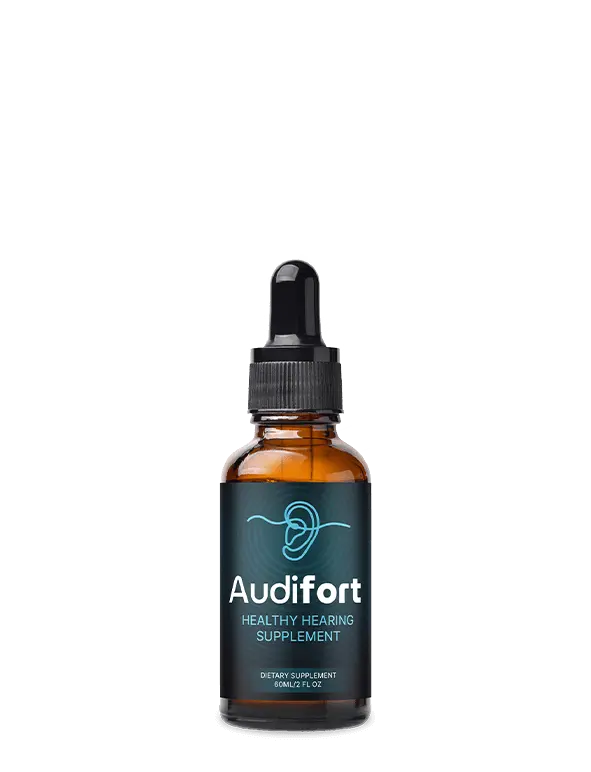
In the pursuit of maintaining optimal hearing and supporting the delicate structures of the inner ear, many individuals are turning to natural solutions. AudiFort is a dietary supplement specifically formulated to address some of the key factors contributing to age-related hearing decline, offering a blend of ingredients known for their protective and supportive properties.

Grape Seed Extract
Role: Rich in powerful antioxidants called proanthocyanidins, grape seed extract helps combat oxidative stress in the inner ear. It supports microcirculation, ensuring vital nutrients and oxygen reach delicate hair cells and nerve tissues, crucial for protecting against age-related damage.
Typically 50-300mg
Green Tea Extract
Role: Known for its high concentration of polyphenols, particularly EGCG, green tea extract provides robust antioxidant and anti-inflammatory benefits. It helps protect the cochlea from free radical damage and reduces inflammation, contributing to the longevity and function of hair cells.
Typically 250-500mg
Maca Root
Role: An adaptogen, Maca root helps the body adapt to stress and supports overall vitality. Its nutritional profile, including amino acids, vitamins, and minerals, can contribute to cellular energy production and nervous system health, indirectly benefiting the auditory pathways and reducing fatigue associated with hearing strain.
Typically 500-1500mg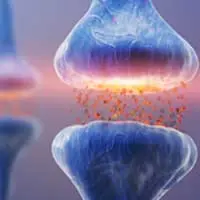
GABA (Gamma-Aminobutyric Acid)
Role: As the primary inhibitory neurotransmitter in the brain, GABA plays a key role in calming neural activity. In the context of hearing, it helps modulate auditory processing, potentially reducing overstimulation and supporting a balanced environment for nerve function, which can be beneficial for issues like tinnitus.
Typically 100-500mg
Capsicum Annuum
Role: Derived from chili peppers, Capsicum Annuum contains capsaicin, which can support healthy blood flow and act as an anti-inflammatory agent. Improved circulation is vital for delivering nutrients and oxygen to the inner ear, aiding in the maintenance of its delicate structures.
Typically 50-100mg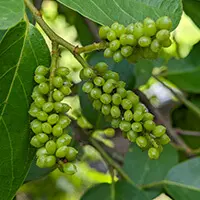
Gymnema Sylvestre
Role: Traditionally used for its metabolic benefits, Gymnema Sylvestre may indirectly support inner ear health by helping to maintain healthy blood sugar levels. Stable blood glucose is crucial for preventing damage to the delicate microvasculature that supplies the inner ear, a common issue in diabetic neuropathy affecting hearing.
Typically 200-400mgThese ingredients, carefully selected and combined in AudiFort, work synergistically to provide comprehensive support for the inner ear. By targeting oxidative stress, inflammation, and circulation, AudiFort aims to help protect the delicate hair cells and neural pathways that are essential for clear and vibrant hearing, especially as we navigate the challenges of aging.
Ready to Reclaim Your Hearing Clarity with AudiFort?
Don't let age-related hearing decline diminish your connection to the world. AudiFort offers a powerful, natural blend to support your inner ear health, helping to protect against damage and enhance your auditory experience.
- ✓ Supports healthy inner ear function
- ✓ Protects delicate hair cells from oxidative stress
- ✓ Promotes healthy blood flow to the auditory system
- ✓ Formulated with potent natural antioxidants
- ✓ Helps maintain cognitive clarity linked to hearing




What Our Customers Are Saying
"I've struggled with understanding conversations in noisy rooms for years. Since starting AudiFort, I've noticed a significant improvement in clarity. It's like a fog has lifted!"
"My audiologist recommended I look into natural support for my ears, and I found AudiFort. I feel more confident in social settings, and even my family has noticed I'm asking 'What?' less often."
"I was skeptical, but the 60-day guarantee convinced me to try. After a month, the ringing in my ears feels less intrusive, and overall, sounds seem sharper. Truly impressed!"
Frequently Asked Questions
What is the primary function of the inner ear?
+The inner ear is responsible for two crucial sensory functions: converting sound vibrations into electrical signals for the brain to interpret as hearing, and detecting head movements to maintain balance and spatial orientation.
How do hair cells contribute to hearing?
+Hair cells are specialized sensory cells within the cochlea of the inner ear. When sound vibrations cause fluid in the cochlea to move, these hair cells bend. This mechanical bending is then converted into electrical signals, which are transmitted to the brain via the auditory nerve, allowing us to perceive sound.
What are the main causes of age-related hearing loss (presbycusis)?
+Age-related hearing loss, or presbycusis, is primarily caused by the gradual degeneration of hair cells in the cochlea and nerve fibers in the auditory pathway over time. Contributing factors include cumulative noise exposure, genetic predisposition, reduced blood flow to the inner ear, oxidative stress, and chronic inflammation.
Can diet and supplements impact inner ear health?
+Yes, a diet rich in antioxidants, vitamins, and minerals can support overall cellular health, including that of the delicate structures in the inner ear. Specific nutrients found in supplements like AudiFort are thought to help protect against oxidative stress and inflammation, which are implicated in age-related hearing decline.
When should I seek professional help for hearing concerns?
+It is advisable to seek professional help from an audiologist or ENT specialist if you notice any changes in your hearing, such as difficulty understanding speech, ringing in the ears (tinnitus), or needing to turn up the volume excessively. Early detection and intervention can significantly improve outcomes.
How does AudiFort support inner ear health?
+AudiFort is formulated with a blend of natural ingredients known for their antioxidant, anti-inflammatory, and circulatory support properties. These ingredients are designed to nourish the inner ear, protect delicate hair cells from damage, and support the neural pathways involved in sound processing, thereby promoting overall hearing clarity and reducing the impact of age-related decline.
Related Articles