Are you tired of the incessant ringing, buzzing, or hissing in your ears?
Tinnitus affects millions worldwide, often significantly impacting quality of life, sleep, and concentration. While it's not a disease itself, it's a symptom that can be incredibly distressing, particularly when associated with age-related hearing loss.
For those experiencing this persistent auditory phantom, finding effective relief can feel like an uphill battle. But what if nature held some of the answers? This article explores 7 natural remedies for tinnitus that actually work, offering hope and practical strategies to quiet the noise and reclaim your peace.
Unraveling the Mystery: What is Tinnitus?
Tinnitus, often described as a "ringing in the ears," is a perception of sound when no external sound is present. It can manifest in various ways – buzzing, hissing, clicking, roaring, or whistling – and can be constant or intermittent, ranging from a mild annoyance to a debilitating presence.
While it's a common condition, affecting approximately 15-20% of people, it's particularly prevalent among older adults and is frequently associated with age-related hearing loss (presbycusis). This phantom sound isn't a disease itself but rather a symptom of an underlying issue within the auditory system or neural pathways. Understanding its nature is the first step toward finding relief. We'll delve into effective natural strategies that can help manage and reduce the impact of this challenging condition, offering practical hope for a quieter life.
💡 Key Takeaway
Tinnitus is a common auditory perception linked to age-related hearing loss, and while often distressing, various natural approaches can offer significant relief and improve quality of life by addressing underlying factors.
The Intricate Link Between Tinnitus and Age-Related Hearing Loss
While tinnitus can stem from various causes, its connection to age-related hearing loss is undeniable and often profound. As we age, the delicate hair cells in our inner ear, responsible for transmitting sound to the brain, can become damaged or die, leading to a decline in hearing ability.
This damage leads to a loss of hearing sensitivity, especially for high-frequency sounds. The brain, attempting to compensate for the lack of external auditory input, may generate its own internal noise, which we perceive as tinnitus. This neural reorganization is a complex process, but it highlights why addressing underlying hearing health is crucial for comprehensive tinnitus management. Other factors like exposure to loud noise, earwax blockage, certain medications (ototoxic drugs), Meniere's disease, temporomandibular joint (TMJ) disorders, and even cardiovascular issues can also contribute to tinnitus. Identifying the root cause with a healthcare professional is often the first step towards effective treatment, paving the way for targeted natural remedies and lifestyle adjustments.
A Holistic Approach to Supporting Auditory Health
Beyond directly addressing tinnitus, many natural remedies offer broader benefits that contribute to overall auditory wellness. By supporting the body's natural functions, these approaches can create an environment conducive to reducing tinnitus and preserving hearing.
Enhanced Neural Communication
Many natural ingredients work to support the health and function of neurotransmitters and nerve cells, which are vital for clear auditory signal processing. Improved communication within the auditory pathways can help reduce misfiring signals that contribute to tinnitus.
Reduced Inflammation
Chronic inflammation can damage delicate structures in the inner ear and nervous system. Natural anti-inflammatory compounds can help mitigate this damage, potentially protecting against further hearing decline and reducing tinnitus severity.
Improved Microcirculation
The inner ear relies on a rich supply of oxygen and nutrients delivered via tiny blood vessels. Remedies that enhance blood flow can ensure these vital cells receive what they need to function optimally and prevent damage.
Stress Reduction
Stress and anxiety are known to exacerbate tinnitus perception. Natural remedies that promote relaxation and mental calm can indirectly reduce the burden of tinnitus, making it easier to cope with.
Better Sleep Quality
Tinnitus often interferes with sleep. By promoting restful sleep, certain natural ingredients can help the body and mind recover, leading to a reduced perception of tinnitus during waking hours and improved overall well-being.
Protection Against Oxidative Stress
Antioxidants found in many natural substances combat free radicals that can damage cells, including those in the auditory system. This protection is crucial for maintaining long-term hearing health and preventing age-related decline.
7 Natural Remedies for Tinnitus That Actually Work
While there's no single "cure" for tinnitus, many individuals find significant relief through natural approaches that target underlying causes, reduce symptom severity, or improve the body's ability to cope. These remedies often work best when incorporated into a holistic health plan and under the guidance of a healthcare professional. Here are seven evidence-backed strategies that have shown promise:
1. Ginkgo Biloba: Enhancing Blood Flow to the Brain and Inner Ear
Ginkgo Biloba is a well-known herbal supplement revered for its ability to improve blood circulation, particularly to the brain and inner ear. This increased blood flow can be profoundly beneficial for those whose tinnitus is linked to circulatory issues or poor microvasculature in the auditory system. By ensuring that the delicate hair cells and nerve tissues in the inner ear receive an adequate supply of oxygen and nutrients, Ginkgo can help protect them from damage and support their optimal function. It's also thought to possess neuroprotective properties, shielding nerve cells from oxidative stress and improving neural transmission, potentially leading to a reduction in the perception of tinnitus. While research results have been mixed, many users report a noticeable reduction in tinnitus intensity and frequency, especially in cases where the ringing is associated with vascular insufficiency. Typical dosages range from 120-240 mg daily, divided into two or three doses, often standardized to contain 24% flavone glycosides and 6% terpene lactones.
2. Zinc Supplementation: A Vital Mineral for Auditory Health
Zinc is an essential trace mineral that plays a crucial role in numerous bodily functions, including immune health, cell growth, and nerve function. Its importance for auditory health cannot be overstated; zinc is vital for the health of the cochlea (the spiral-shaped cavity of the inner ear) and the neurotransmitters involved in processing sound. Studies have consistently shown that some individuals with tinnitus, particularly older adults, have lower-than-normal zinc levels. A deficiency in this mineral can impair the function of the auditory system, potentially contributing to both hearing loss and tinnitus. Supplementing with zinc has been reported to improve tinnitus symptoms in those with a diagnosed deficiency, helping to maintain the integrity of inner ear structures and support optimal nerve signaling. It's a simple yet powerful intervention for those whose tinnitus has a nutritional link. A common dosage is 15-50 mg daily, though higher doses should always be used under medical supervision due to potential interactions with other minerals.
3. Magnesium: Nerve Protection and Relaxation
Magnesium is a powerful mineral involved in over 300 biochemical reactions in the body, including muscle and nerve function, blood glucose control, and blood pressure regulation. For tinnitus sufferers, magnesium's multifaceted role makes it particularly significant. It contributes to protecting nerves, especially those within the auditory system, and can help prevent damage to the delicate hair cells in the cochlea that are crucial for hearing. Furthermore, magnesium is known to improve blood flow, which, as with Ginkgo Biloba, is vital for nutrient delivery to the inner ear. Beyond its physiological benefits, magnesium has calming properties, acting as a natural relaxant. This can be immensely helpful in reducing the stress and anxiety often associated with persistent tinnitus, indirectly lessening its perceived severity and making the condition more manageable. Recommended dosages typically fall within 200-400 mg daily, often in forms like magnesium glycinate or citrate for better absorption.
4. Omega-3 Fatty Acids: Anti-inflammatory and Neuroprotective Benefits
Found abundantly in fatty fish like salmon, mackerel, and flaxseeds, Omega-3 fatty acids are renowned for their potent anti-inflammatory and neuroprotective properties. Chronic inflammation is increasingly recognized as a contributing factor to various health issues, including those affecting the auditory system and the development of tinnitus. Omega-3s, particularly eicosapentaenoic acid (EPA) and docosahexaenoic acid (DHA), are crucial for brain health and nerve cell function, which can be vital for managing tinnitus. They may help reduce inflammation in the auditory pathways and support overall neurological health, potentially mitigating the severity of the ringing and buzzing. These essential fats also play a role in maintaining cell membrane fluidity, which is important for neural signaling. To learn more about the broader impact of these essential fats on your hearing, consider reading our detailed article on Omega-3 Fatty Acids and Hearing Health. Typical dosages range from 1000-2000 mg of combined EPA/DHA daily.
5. Melatonin: Improving Sleep and Tinnitus Perception
While not directly "curing" tinnitus, Melatonin, the hormone that regulates sleep-wake cycles, can be incredibly beneficial for tinnitus sufferers, especially those struggling with its disruptive effects at night. A significant majority of individuals with tinnitus experience sleep disturbances due to the constant noise, leading to increased stress, fatigue, and a heightened perception of their symptoms. By improving sleep quality and duration, melatonin can indirectly reduce the distress and perception of tinnitus during waking hours. A well-rested mind is often better equipped to cope with chronic conditions, making the ringing feel less intrusive. Some studies suggest that melatonin might also have direct effects on the auditory cortex, potentially reducing tinnitus severity and improving overall sleep quality for those afflicted. It's a natural, gentle way to break the vicious cycle of tinnitus-induced sleeplessness. A common dosage is 1-5 mg taken 30-60 minutes before bedtime.
6. Acupuncture and Traditional Herbal Medicine: Ancient Wisdom for Modern Ailments
Traditional Chinese Medicine (TCM), encompassing practices like acupuncture and specific herbal formulations, has been used for centuries to address a wide range of ailments, including tinnitus. Acupuncture involves inserting thin needles into specific points on the body to balance energy flow (Qi), which proponents believe can alleviate tinnitus symptoms by improving circulation, reducing inflammation, and calming the nervous system. From a Western perspective, acupuncture may stimulate nerve fibers, release endorphins, and alter brain chemistry, potentially modulating tinnitus perception. Certain herbal remedies, often used in combination as part of a personalized TCM diagnosis, are also believed to support kidney health (which is linked to hearing in TCM philosophy) and reduce inner ear congestion or "wind" and "dampness" that can contribute to auditory disturbances. While Western scientific evidence is still developing and often varies, many individuals report positive experiences and significant relief from their tinnitus symptoms through these traditional practices.
7. Dietary Adjustments and Lifestyle Modifications: Foundation for Auditory Wellness
Simple yet powerful, dietary and lifestyle changes can significantly impact tinnitus management and overall auditory health. Reducing intake of stimulants like caffeine and nicotine, which can constrict blood vessels and exacerbate tinnitus, is often recommended. Limiting alcohol, which can affect blood flow, fluid balance in the inner ear, and disrupt sleep, can also help. Incorporating a diet rich in antioxidants (from fruits and vegetables), vitamins (especially B vitamins, C, and E), and minerals (like potassium and selenium) supports overall cellular health, including that of the auditory system, and protects against oxidative damage. Beyond diet, stress management techniques such as meditation, yoga, mindfulness, and deep breathing exercises are crucial, as stress and anxiety often heighten tinnitus perception and make it more difficult to ignore. Regular physical exercise also improves circulation, reduces stress hormones, and promotes overall well-being, all contributing to better hearing health and a reduced impact from tinnitus. For more ways to proactively protect your ears, explore our comprehensive article on Natural Ways to Protect Hearing and Prevent Hearing Loss.

Understanding Tinnitus: Beyond the Ringing
To effectively manage tinnitus, it's crucial to understand its complex nature. It's more than just a sound; it's a profound experience rooted in the intricate workings of our auditory system and brain.
Subjective vs. Objective Tinnitus
Most tinnitus (about 95%) is subjective, meaning only the individual hears it. It's often linked to hearing loss, where the brain tries to compensate for missing external sounds. Objective tinnitus is rare, can be heard by others, and usually stems from a physical source like blood vessel issues or muscle spasms.
The Brain's Central Role
Tinnitus isn't solely an ear problem; it's largely a brain phenomenon. When auditory input from the ears diminishes (e.g., due to age-related hearing loss), the brain's auditory cortex can become overactive, generating phantom sounds. This neural reorganization is a key area of study for understanding and treating tinnitus.
The Age Factor
The prevalence of tinnitus significantly increases with age, often coinciding with presbycusis, or age-related hearing loss. As the inner ear structures naturally degrade over time, the likelihood of experiencing tinnitus rises, making it a common concern for older adults.
Inflammation and Oxidative Stress
Emerging research points to chronic inflammation and oxidative stress as significant contributors to both inner ear damage and the development of tinnitus. These cellular processes can harm the delicate hair cells and nerve pathways, disrupting normal auditory function and potentially leading to the perception of tinnitus.
Introducing AudiFort: A Synergistic Blend for Auditory Wellness
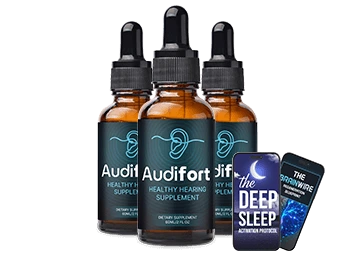
While individual natural remedies offer hope, a comprehensive, multi-ingredient approach can provide enhanced support for your auditory system. AudiFort is a meticulously formulated natural supplement designed to target the various factors contributing to age-related hearing loss and associated tinnitus.
It combines potent botanical extracts, essential vitamins, and crucial minerals, working synergistically to support inner ear health, improve neural communication, and reduce the perception of unwanted sounds. Each ingredient is selected for its scientifically recognized role in promoting a healthy auditory environment, offering a holistic path towards a quieter and clearer world.

Capsicum Annuum (Red Pepper)
Role: Known for its capsaicin content, Capsicum Annuum supports healthy blood flow and anti-inflammatory responses. This is crucial for ensuring optimal circulation within the delicate inner ear structures and maintaining nerve health, which can be vital in reducing tinnitus.
Standardized extracts often target 0.25-1% capsaicin.
Grape Seed Extract
Role: A powerful antioxidant, Grape Seed Extract protects delicate inner ear cells from oxidative damage caused by free radicals. It also supports microcirculation, aiding in the efficient delivery of oxygen and nutrients to the auditory system, essential for healthy hearing.
Typically 100-300 mg daily.
Green Tea Extract
Role: Rich in epigallocatechin gallate (EGCG), Green Tea Extract offers significant antioxidant and anti-inflammatory benefits. It guards against cellular damage in the auditory pathways and promotes overall neural health, contributing to a reduction in tinnitus perception.
Standardized to 50-90% EGCG, 200-500 mg daily.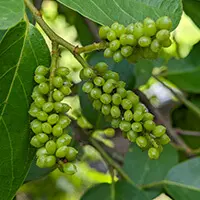
Gymnema Sylvestre
Role: Traditionally used for metabolic health, Gymnema Sylvestre also supports nerve function. Its compounds may help in modulating neural signals related to auditory perception, potentially calming overactive pathways that contribute to tinnitus symptoms.
Typically 200-400 mg of extract daily.
Maca Root
Role: An adaptogen, Maca Root helps the body manage stress and supports energy levels. Since stress and anxiety can significantly exacerbate tinnitus, Maca's ability to promote balance and well-being indirectly contributes to better coping mechanisms for tinnitus sufferers.
1500-3000 mg daily.
GABA (Gamma-Aminobutyric Acid)
Role: As a primary inhibitory neurotransmitter in the brain, GABA helps calm overactive neural pathways. This calming effect can be crucial in reducing the intensity and perception of tinnitus signals, which are often linked to neuronal hyperactivity.
500-750 mg daily.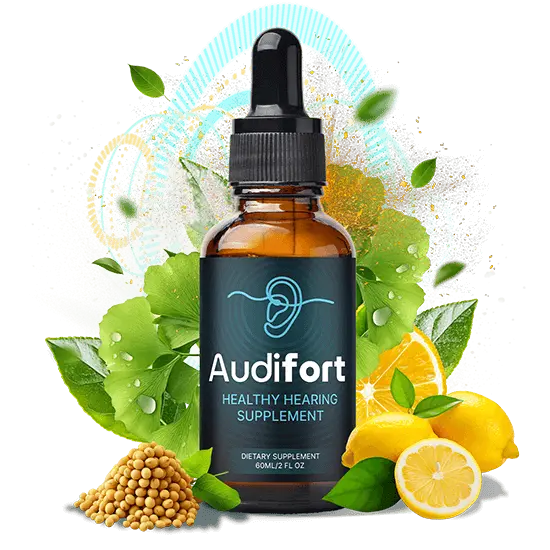
Ready to Experience the AudiFort Difference?
AudiFort offers a natural, comprehensive solution for those seeking relief from the persistent challenges of tinnitus and age-related hearing loss. Formulated with potent, clinically studied ingredients, it aims to support your auditory health from within, helping to quiet the noise and enhance clarity.
- Supports healthy inner ear function and circulation
- Helps reduce the perception of ringing, buzzing, and hissing
- Enhances neural communication within the auditory system
- Protects delicate ear cells against oxidative stress and damage
- Made with 100% natural, scientifically-backed ingredients




Real People, Real Results: AudiFort Success Stories
"For years, the incessant ringing in my ears made it impossible to concentrate or get a good night's sleep. AudiFort has been an absolute game-changer. The buzzing is significantly quieter now, and I feel so much more at peace and rested. I truly wish I had found this natural solution sooner!"
"I was initially skeptical about trying another supplement, but after a few consistent weeks of using AudiFort, I noticed a remarkable improvement. My hearing clarity seems better, and the constant hum in my ears has started to fade into the background. It's truly remarkable how much better and less distracted I feel."
"My ENT specialist mentioned that my tinnitus was likely a symptom of my age-related hearing loss. AudiFort was recommended by a friend who had great results, and it's made a world of difference for me. The fact that the ingredients are all natural gives me peace of mind, and I've experienced no side effects, just quieter ears and improved focus."
Frequently Asked Questions
What is AudiFort and how does it work for tinnitus?
+AudiFort is a natural dietary supplement formulated with a blend of potent ingredients like Grape Seed, Green Tea, and GABA, designed to support auditory health. It works by targeting various factors associated with age-related hearing loss and tinnitus, such as improving circulation to the inner ear, protecting nerve cells from oxidative stress, reducing inflammation, and calming overactive neural pathways to help reduce the perception of ringing or buzzing.
Is AudiFort safe to use?
+Yes, AudiFort is made with 100% natural ingredients and is manufactured in an FDA-registered, GMP-certified facility in the USA. The ingredients are carefully selected for their purity and potency. However, as with any supplement, it's always recommended to consult with your healthcare provider before starting any new regimen, especially if you have existing medical conditions or are taking other medications.
How long does it take to see results with AudiFort?
+Results can vary from person to person, as everyone's body responds differently to supplements. Some individuals may notice improvements within a few weeks, while for others, it might take longer. For optimal results, it is generally recommended to use AudiFort consistently for at least 60 to 90 days to allow the natural ingredients to build up in your system and exert their full benefits.
Can AudiFort help with age-related hearing loss specifically?
+AudiFort is formulated to support overall auditory health, which includes addressing factors often associated with age-related hearing loss. Its ingredients aim to improve circulation, protect delicate inner ear cells, and support neural function. While it's not a cure for hearing loss, by supporting the health of your auditory system, it can help mitigate some of the symptoms and discomfort often linked to age-related decline, including tinnitus.
What if AudiFort doesn't work for me?
+We are confident in AudiFort's effectiveness, which is why every purchase is backed by a 60-Day, 100% Money-Back Guarantee. If you are not completely satisfied with your results for any reason, simply contact our customer support within 60 days of your purchase, and we will issue a full refund, no questions asked.
Where can I purchase AudiFort?
+To ensure you receive the authentic product and to take advantage of our special offers and guarantees, AudiFort is exclusively available for purchase through its official website. This also helps us maintain quality control and provide direct customer support.
Related Articles