Are You Unknowingly Damaging Your Hearing Every Single Day?
In our modern world, noise is an ever-present companion. From the roar of city traffic and the blare of headphones to the hum of machinery and the excitement of live events, our ears are constantly bombarded. While many sounds are enjoyable, a significant portion of this auditory landscape poses a silent, insidious threat: Noise-Induced Hearing Loss (NIHL).
NIHL is a permanent and preventable condition, yet it affects millions worldwide. It's not just about losing the ability to hear; it impacts your quality of life, communication, and overall well-being. Understanding the risks and implementing effective protection strategies are crucial steps in preserving your hearing health, especially as you age and become more susceptible to age-related hearing loss.
Understanding Noise-Induced Hearing Loss (NIHL)
Noise-Induced Hearing Loss (NIHL) is a significant public health concern, often misunderstood and underestimated. It's not just a problem for factory workers or rock musicians; it affects people from all walks of life due to everyday noise exposure.
NIHL occurs when the delicate structures of the inner ear, specifically the tiny hair cells (stereocilia) in the cochlea, are damaged by loud noises. These hair cells are responsible for converting sound vibrations into electrical signals that are sent to the brain for interpretation. When exposed to excessive sound energy, these cells can become bent, broken, or even destroyed. Unlike hair cells in other parts of the body, those in the human inner ear do not regenerate. This means that once they are damaged, the resulting hearing loss is permanent.
The damage can be caused by a single, sudden exposure to extremely loud noise, such as an explosion or gunshot (acoustic trauma), or more commonly, by prolonged or repeated exposure to sounds that are above a safe listening level. The louder the sound, the shorter the safe exposure time. For instance, continuous exposure to sounds at 85 decibels (dB), roughly the level of heavy city traffic, can cause permanent hearing damage after just 8 hours. A rock concert at 100 dB can cause damage in as little as 15 minutes, and a firecracker at 140 dB can cause immediate and irreversible harm.
Symptoms of NIHL often develop gradually and can include difficulty understanding speech in noisy environments, a constant ringing or buzzing in the ears (tinnitus), and a feeling of fullness in the ears. Because it often progresses slowly, many people don't realize they have NIHL until it's already significant. This gradual onset also makes it easy to confuse with age-related hearing loss (presbycusis), which also affects high-frequency sounds first. However, NIHL can compound and accelerate age-related decline, making early prevention even more critical.
Understanding the mechanism of NIHL is the first step toward effective prevention. Since the damage is irreversible, protection is paramount.
💡 Key Takeaway
Noise-Induced Hearing Loss (NIHL) results from irreversible damage to inner ear hair cells due to loud sound exposure. It's a permanent condition that can accumulate over time and worsen age-related hearing decline, making prevention through noise avoidance and protection essential.
Common Sources of Harmful Noise Exposure
Harmful noise is ubiquitous in modern life. Identifying common sources is crucial for understanding where to implement protective measures.
Recreational Activities
Concerts, nightclubs, sporting events, movie theaters, and even personal listening devices (headphones/earbuds) turned up too high are major culprits. Hunting, shooting sports, and motorcycling also expose individuals to extreme noise levels.
Occupational Noise
Many professions inherently involve high noise levels. Construction workers, factory employees, musicians, military personnel, emergency responders, and even daycare providers are at significant risk due to prolonged exposure to machinery, tools, vehicles, and loud environments.
Environmental & Home Noise
Everyday sounds like lawnmowers, leaf blowers, vacuum cleaners, power tools for home improvement, loud traffic, and even noisy appliances can contribute to cumulative hearing damage over time if exposure is frequent and unprotected.
Sudden Impulse Noise
Fireworks, gunshots, explosions, and even air bags deploying can produce extremely high sound levels (over 140 dB) that cause immediate, severe, and often permanent hearing damage in a single instance.
The Impact of NIHL on Your Life and Well-being
Beyond the simple inability to hear, Noise-Induced Hearing Loss carries a profound impact on various aspects of an individual's life, often leading to isolation and reduced quality of life.
Initially, NIHL might manifest as difficulty hearing high-pitched sounds or understanding speech in noisy environments. Over time, these challenges can escalate, leading to significant communication barriers. Imagine struggling to follow conversations with loved ones, missing crucial information at work, or feeling disconnected in social settings. This constant strain can lead to frustration, anxiety, and social withdrawal. People with hearing loss often report feeling isolated, depressed, and less engaged with the world around them.
Beyond communication, NIHL can also impact cognitive function. Studies suggest a link between untreated hearing loss and an increased risk of cognitive decline, including dementia. The brain expends more effort trying to decipher incomplete auditory information, diverting resources that would otherwise be used for memory and thinking. This chronic cognitive load can be exhausting and contribute to fatigue.
Furthermore, the presence of tinnitus, a common co-occurring symptom with NIHL, can be incredibly disruptive. The persistent ringing, buzzing, or hissing sound can interfere with concentration, sleep, and overall peace of mind, adding another layer of distress to daily life. For those already experiencing or at risk of Age-Related Hearing Loss, the effects of NIHL can exacerbate these natural declines, accelerating the progression and severity of auditory impairment. This makes a proactive approach to hearing protection not just advisable, but essential for long-term health and well-being.
Essential Strategies for Preventing Noise-Induced Hearing Loss
Preventing NIHL is largely about awareness and consistent action. By adopting simple yet effective habits, you can significantly reduce your risk of permanent hearing damage.
Limit Exposure to Loud Noise
The simplest and most effective prevention method is to avoid excessively loud environments whenever possible. If you can't avoid them, try to minimize the duration of your exposure. Take regular breaks in quieter areas to give your ears a rest, allowing the delicate hair cells a chance to recover before further strain.
Maintain Safe Listening Levels
When using personal listening devices like headphones or earbuds, follow the "60/60 rule": listen at no more than 60% of the maximum volume for no longer than 60 minutes at a time. After 60 minutes, take a break for at least 5-10 minutes. Opt for noise-canceling headphones to reduce background noise, which allows you to listen at lower volumes.
Utilize Hearing Protection Devices
Whenever you are in a noisy environment (e.g., concerts, construction sites, sporting events, using power tools), wear appropriate hearing protection. This includes foam earplugs, reusable silicone earplugs, custom-molded earplugs, or earmuffs. Ensure they fit properly to provide maximum attenuation. For more information on choosing the right supplement to support hearing, you might find value in comparing options like those discussed in AudiFort vs. Other Hearing Supplements: A Comparison.
Distance Yourself from Noise Sources
Sound intensity decreases significantly with distance. If you're at a concert or a loud event, try to position yourself further away from speakers or other primary noise sources. A few extra feet can make a considerable difference in the decibel level reaching your ears and reducing potential damage.
Regular Hearing Check-ups
Schedule regular hearing tests with an audiologist, especially if you have a history of noise exposure or notice any changes in your hearing. Early detection of even minor hearing shifts can allow for timely intervention and adjustments to your protection strategies, preventing further deterioration.
Beyond Protection: Supporting Auditory Health Naturally
While physical protection from noise is the cornerstone of NIHL prevention, a holistic approach to ear health can provide additional support. This includes lifestyle choices, diet, and targeted nutritional supplementation.
Our ears, like any other organ, benefit from a healthy lifestyle. This means a balanced diet rich in antioxidants, regular exercise, and avoiding smoking, which can impair blood flow to the inner ear. Certain vitamins and minerals are particularly noted for their role in supporting auditory function and protecting against oxidative stress, a key factor in both NIHL and age-related hearing decline. These include:
- Magnesium: Known to protect against temporary and permanent noise-induced hearing loss in some studies.
- Antioxidants (Vitamins A, C, E): Combat free radicals generated by loud noise exposure, which can damage delicate ear cells.
- Zinc: Important for immune function and may play a role in inner ear health.
- B Vitamins: Essential for nerve function, including the auditory nerve.
Incorporating foods rich in these nutrients, such as leafy greens, berries, nuts, and whole grains, can contribute to overall ear wellness. However, achieving optimal levels through diet alone can sometimes be challenging, especially with modern dietary habits and soil depletion. This is where targeted supplementation can play a supportive role.
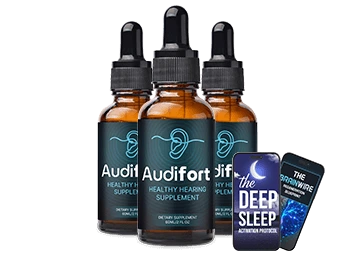
For those looking for additional support, natural supplements like AudiFort are designed to complement a protective lifestyle. AudiFort contains a blend of ingredients chosen for their potential to support nerve function, enhance antioxidant defense, and promote healthy blood flow to the inner ear. It's important to remember that such supplements are intended to support, not replace, primary prevention methods like wearing ear protection and avoiding loud noises. For a deeper dive into what people are saying, check out AudiFort Reviews: Real Results and Testimonials.
Key Natural Ingredients in AudiFort for Hearing Support
AudiFort's formula is crafted with a selection of natural ingredients, each chosen for its potential to contribute to auditory health and overall well-being. These ingredients work synergistically to provide comprehensive support for the delicate structures of the inner ear and the nervous system.

Capsicum Annuum (Cayenne Pepper)
Role: Supports healthy blood circulation, which is crucial for delivering oxygen and nutrients to the inner ear's delicate structures. Its active compound, capsaicin, also has anti-inflammatory properties that may help mitigate stress responses.
Typically 40,000-100,000 HU
GABA (Gamma-Aminobutyric Acid)
Role: A primary inhibitory neurotransmitter in the brain, GABA helps calm nervous system activity. It's thought to play a role in regulating auditory processing and may help reduce the perception of tinnitus and improve relaxation.
Typically 100-750 mg
Grape Seed Extract
Role: A potent antioxidant, grape seed extract helps protect cells from oxidative stress and free radical damage, which can be exacerbated by noise exposure. It also supports cardiovascular health and healthy blood flow.
Typically 100-300 mg
Green Tea Extract
Role: Rich in polyphenols and catechins, particularly EGCG, green tea extract offers powerful antioxidant and anti-inflammatory benefits. These compounds may help protect auditory hair cells from damage and support overall cellular health.
Typically 200-500 mg
Gymnema Sylvestre
Role: Traditionally used for its metabolic benefits, Gymnema Sylvestre may indirectly support auditory health by helping to maintain healthy blood sugar levels, which is important for nerve function and overall systemic health.
Typically 200-400 mg
Maca Root
Role: An adaptogen, Maca Root helps the body manage stress and supports energy levels and overall vitality. While not directly for hearing, its systemic benefits contribute to a healthier environment for all bodily functions, including auditory health.
Typically 1000-3000 mgFor a more detailed explanation of these and other ingredients, including Ginkgo Biloba and Alpha Lipoic Acid, you can refer to AudiFort Ingredients: Ginkgo & Alpha Lipoic Acid Explained.
Implementing a Comprehensive Hearing Health Plan
Protecting your hearing requires a multi-faceted approach. It’s about being proactive and consistent in your efforts, combining various strategies for maximum effectiveness.
Start by assessing your daily environment. Identify all potential sources of loud noise in your home, workplace, and leisure activities. Once identified, make a conscious effort to either reduce your exposure or use appropriate hearing protection. For example, if you frequently use a lawnmower, invest in comfortable, high-quality earmuffs. If you enjoy concerts, carry a pair of musician's earplugs that reduce noise evenly without muffling the sound quality.
Beyond physical protection, integrate lifestyle habits that support overall health, which in turn benefits your auditory system. A diet rich in antioxidants, regular physical activity to promote good circulation, and stress management techniques can all play a role. Remember, the inner ear is highly sensitive to changes in blood flow and oxygen supply, so anything that supports cardiovascular health will also benefit your hearing.
Consider nutritional support as an adjunct to these practices. Supplements like AudiFort are formulated with ingredients that provide antioxidant support and promote healthy nerve function, which can be particularly beneficial for the delicate auditory system. However, it's crucial to understand that supplements are not a substitute for active noise avoidance and protection. They are a complementary tool in your overall hearing health strategy.
Finally, make regular hearing check-ups a priority, especially if you have risk factors for hearing loss. An audiologist can monitor your hearing, identify any early signs of damage, and provide personalized advice on protection and management. By combining awareness, physical protection, healthy lifestyle choices, and targeted nutritional support, you can build a robust defense against Noise-Induced Hearing Loss and safeguard your sense of sound for years to come.
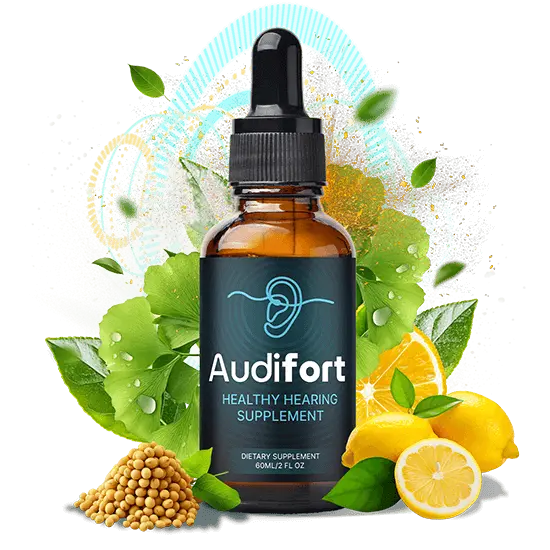
Take the First Step Towards Supporting Your Hearing Health Today with AudiFort!
Don't let the noise of the world diminish your ability to hear its beauty. While prevention is key, supporting your auditory system from within can offer an additional layer of defense. AudiFort is meticulously formulated with a blend of natural ingredients designed to support the delicate mechanisms of your inner ear and promote overall hearing wellness.
- ✓ Supports healthy auditory nerve function
- ✓ Provides powerful antioxidant protection for ear cells
- ✓ Promotes healthy blood flow to the inner ear
- ✓ Crafted with 100% natural, scientifically-backed ingredients
- ✓ Made in the USA in a GMP-certified facility




What Our Customers Are Saying About AudiFort
"I've been exposed to loud machinery for years and started noticing a decline. Since I started AudiFort, combined with my ear protection, I feel more confident about my hearing health. The ringing seems less intrusive too."
"As a musician, protecting my ears is vital. AudiFort gives me peace of mind knowing I'm giving my ears extra support. I feel sharper, and my overall auditory clarity has improved."
"I was worried about my hearing as I got older, especially with all the noise pollution around. AudiFort helps me feel like I'm proactively caring for my ears. It's an easy addition to my daily routine."
Frequently Asked Questions
What exactly is Noise-Induced Hearing Loss (NIHL)?
+Noise-Induced Hearing Loss (NIHL) is a type of sensorineural hearing loss caused by exposure to loud sounds, either sudden intense noise or prolonged exposure to moderately loud noise. It damages the delicate hair cells in the inner ear, which are responsible for transmitting sound signals to the brain. Once these hair cells are damaged, they cannot regenerate, making NIHL often permanent. The severity of the loss depends on the intensity and duration of the noise exposure.
How loud is too loud, and what are safe listening levels?
+Generally, sounds at or above 85 decibels (dB) can cause hearing damage over time. To put this in perspective, normal conversation is around 60 dB, busy city traffic is about 85 dB, and a rock concert or power tools can exceed 100-120 dB. The louder the sound, the less time it takes for damage to occur. For example, exposure to 85 dB for more than 8 hours can be harmful, while just 15 minutes at 100 dB can cause permanent damage. Safe listening involves keeping volume levels on personal devices below 60% of maximum and using hearing protection in noisy environments.
What are the most effective types of hearing protection?
+The most effective types of hearing protection include earplugs (foam, silicone, or custom-molded) and earmuffs. Foam earplugs are inexpensive and widely available, offering good attenuation when inserted correctly. Silicone or custom earplugs can be more comfortable for prolonged use and offer better noise reduction for specific frequencies. Earmuffs provide higher levels of protection and are easy to put on and take off, making them ideal for intermittent noise. For extremely loud environments, a combination of earplugs and earmuffs may be necessary.
Can diet and supplements help protect against hearing loss?
+While diet and supplements cannot reverse existing Noise-Induced Hearing Loss, they can play a supportive role in maintaining overall auditory health and potentially mitigating some damage. Antioxidants like vitamins C and E, magnesium, zinc, and certain botanicals are thought to help protect ear cells from oxidative stress caused by loud noise. AudiFort, for example, is formulated with a blend of natural ingredients known for their antioxidant and neuroprotective properties, aiming to support the body's natural defenses against environmental stressors. However, these should always complement, not replace, physical hearing protection.
Is AudiFort a replacement for traditional hearing protection?
+No, AudiFort is not a replacement for traditional hearing protection methods like earplugs or earmuffs. It is a dietary supplement designed to support overall auditory health and the body's natural mechanisms for dealing with oxidative stress, which can be exacerbated by noise exposure. The primary and most effective way to prevent Noise-Induced Hearing Loss is to avoid loud noise, reduce exposure time, and consistently use appropriate physical hearing protection in noisy environments. AudiFort works best as part of a comprehensive hearing health strategy.
How often should I get my hearing checked, especially if I'm exposed to noise?
+It is recommended that adults get a baseline hearing test by age 50, and then regular check-ups every few years, or annually if there are concerns or risk factors. If you are regularly exposed to loud noise in your profession or hobbies (e.g., construction, music, shooting sports), annual hearing screenings are highly advisable. Early detection of hearing changes can help implement preventative measures or management strategies before significant and irreversible damage occurs.
Related Articles