Are You Protecting Your Ears from the Silent Threat of Oxidative Stress?
As we navigate life, our bodies endure a constant barrage of environmental factors and internal processes that can impact our health. One of the most insidious, yet often overlooked, threats to our auditory system is oxidative stress. This cellular imbalance plays a significant role in the gradual decline of hearing, particularly in the context of age-related hearing loss, also known as presbycusis.
Fortunately, nature has equipped us with powerful defenders: antioxidants. Among these, Vitamin E and Vitamin C stand out for their profound ability to neutralize harmful free radicals, offering a crucial natural defense against hearing decline. Understanding their mechanisms and ensuring adequate intake can be a cornerstone in preserving your precious sense of sound for years to come.
The Silent Epidemic: Understanding Age-Related Hearing Loss (Presbycusis)
Age-related hearing loss, or presbycusis, is one of the most common chronic health conditions affecting older adults. It's a gradual, progressive, and typically symmetrical loss of hearing, predominantly affecting high frequencies. This condition can significantly impact quality of life, leading to social isolation, communication difficulties, and even cognitive decline.
While presbycusis is often seen as an inevitable part of aging, research suggests that it's not solely due to wear and tear. A complex interplay of genetic predispositions, environmental factors like noise exposure, and systemic health issues contribute to its development. Crucially, a growing body of evidence points to the central role of oxidative stress as a primary driver of the cellular damage that underpins this widespread condition.
The Intricate Machinery of Hearing and Its Vulnerability
Our ability to hear relies on an incredibly delicate and complex biological system within the inner ear. Sound waves are converted into mechanical vibrations, which are then transmitted to the cochlea – a snail-shaped organ filled with fluid and thousands of tiny hair cells. These hair cells, known as stereocilia, are specialized sensory receptors that bend in response to fluid movement, translating mechanical signals into electrical impulses.
These electrical signals are then sent along the auditory nerve to the brain for interpretation. The inner ear's environment is highly metabolic and constantly exposed to various stressors, including loud noises, certain medications, and the natural metabolic byproducts of energy production. This makes the hair cells and associated neural structures particularly vulnerable to damage, especially from free radicals.
Oxidative Stress: The Invisible Threat to Your Inner Ear
To truly understand how antioxidants protect hearing, we must first grasp the concept of oxidative stress. In simple terms, oxidative stress occurs when there's an imbalance between the production of harmful free radicals and the body's ability to neutralize them with antioxidants.
Free radicals are unstable molecules with unpaired electrons, making them highly reactive. They are naturally produced during normal metabolic processes, such as energy generation in the mitochondria, but also increase due to external factors like pollution, smoking, UV radiation, and excessive noise exposure. These rogue molecules seek to stabilize themselves by "stealing" electrons from other healthy molecules, initiating a chain reaction of cellular damage. This process is called oxidative damage or lipid peroxidation when cell membranes are affected.
How Oxidative Stress Damages Hearing
In the inner ear, oxidative stress can wreak havoc on the delicate structures vital for hearing. The highly metabolic environment of the cochlea, combined with its limited capacity for regeneration, makes it exceptionally susceptible. Specific ways oxidative stress contributes to hearing loss include:
- Damage to Hair Cells: The sensory hair cells in the cochlea are particularly vulnerable. Free radicals can damage their membranes, proteins, and DNA, leading to their dysfunction and eventual death. Once these hair cells are gone, they cannot be regenerated, resulting in permanent hearing loss.
- Mitochondrial Dysfunction: Mitochondria, the "powerhouses" of our cells, are a major source of free radicals. Oxidative stress can impair mitochondrial function in inner ear cells, reducing their energy supply and making them more susceptible to damage.
- Inflammation: Oxidative stress can trigger inflammatory responses in the inner ear, further exacerbating cellular damage and contributing to a cycle of degeneration.
- Compromised Blood Flow: The inner ear relies on a rich blood supply for oxygen and nutrients. Oxidative stress can damage blood vessels, reducing circulation to the cochlea and starving it of essential resources.
- Auditory Nerve Damage: Beyond the cochlea, oxidative stress can also affect the auditory nerve and central auditory pathways, impairing the transmission and processing of sound signals to the brain.
Given the irreversible nature of hair cell damage, preventing oxidative stress is a critical strategy for preserving hearing function. This is where the power of antioxidants comes into play.
💡 Key Takeaway
Oxidative stress, caused by an imbalance of free radicals and antioxidants, is a major contributor to age-related hearing loss by damaging the delicate hair cells and neural structures in the inner ear. Protecting these cells from oxidative damage is paramount for maintaining auditory health.
Antioxidants: Nature's Essential Defenders
Antioxidants are compounds that can inhibit or delay cellular damage caused by free radicals. They act as "scavengers," neutralizing free radicals by donating an electron without becoming unstable themselves. Our bodies naturally produce some antioxidants, but we also obtain a significant amount through our diet.
A diet rich in antioxidants is vital for overall health, and increasingly, specific research highlights their importance for auditory health. While many compounds possess antioxidant properties, two vitamins, in particular, have garnered significant attention for their role in hearing protection: Vitamin E and Vitamin C.
Vitamin E: The Lipid-Soluble Protector of Cell Membranes
Vitamin E is a group of eight fat-soluble compounds that include tocopherols and tocotrienols. Among these, alpha-tocopherol is the most biologically active form in humans. As a fat-soluble antioxidant, Vitamin E is uniquely positioned to protect the lipid (fat) components of cell membranes from oxidative damage.
Role in Hearing Protection:
- Membrane Integrity: The cell membranes of inner ear hair cells are rich in lipids. Vitamin E embeds itself within these membranes, acting as a first line of defense against lipid peroxidation, which is a key mechanism of free radical damage. By preserving membrane integrity, it helps maintain the structural and functional health of these critical sensory cells.
- Neuroprotection: Vitamin E also plays a role in protecting neural tissues, including the auditory nerve, from oxidative damage, ensuring efficient transmission of sound signals to the brain.
- Anti-inflammatory Effects: Beyond its antioxidant role, Vitamin E has demonstrated anti-inflammatory properties, which can help mitigate inflammation in the inner ear that may contribute to hearing loss.
Sources of Vitamin E:
Excellent dietary sources of Vitamin E include nuts (almonds, hazelnuts, peanuts), seeds (sunflower seeds), vegetable oils (wheat germ oil, sunflower oil, safflower oil), leafy green vegetables (spinach, broccoli), and fortified cereals. Incorporating these foods into your daily diet can significantly boost your Vitamin E intake. When considering supplements, look for natural forms of Vitamin E (D-alpha-tocopherol) for better bioavailability.
Vitamin C: The Water-Soluble Warrior and Regenerator
Vitamin C, also known as ascorbic acid, is a powerful water-soluble antioxidant. Unlike Vitamin E, which operates in fatty environments, Vitamin C works in the aqueous (watery) components of cells and bodily fluids. This means it can neutralize free radicals in the cytoplasm of cells and in the fluids surrounding inner ear structures.
Role in Hearing Protection:
- Direct Free Radical Scavenging: Vitamin C directly neutralizes various reactive oxygen species (ROS) before they can inflict damage on cellular components, including proteins and DNA in the inner ear.
- Regeneration of Other Antioxidants: One of Vitamin C's most crucial roles is its ability to regenerate other antioxidants, most notably Vitamin E. Once Vitamin E neutralizes a free radical, it becomes oxidized and less effective. Vitamin C can donate an electron to oxidized Vitamin E, restoring its antioxidant capacity and allowing it to continue protecting cell membranes. This synergistic relationship enhances the overall antioxidant defense system.
- Collagen Production: Vitamin C is essential for collagen synthesis, a vital structural protein found in connective tissues throughout the body, including those supporting the inner ear structures.
- Immune Support: A robust immune system is indirectly beneficial for hearing health, as infections can sometimes contribute to auditory issues. Vitamin C is well-known for its immune-boosting properties.
Sources of Vitamin C:
Vitamin C is abundant in many fruits and vegetables, particularly citrus fruits (oranges, grapefruits), berries (strawberries, blueberries), kiwi, bell peppers, broccoli, spinach, and tomatoes. Consuming these fresh foods regularly is an excellent way to ensure adequate Vitamin C intake. As it is water-soluble, the body does not store it in large amounts, making consistent daily intake important.
The Synergistic Power of Vitamin E and C for Auditory Health
While both Vitamin E and Vitamin C are potent antioxidants individually, their combined effect provides a more comprehensive and robust defense against oxidative stress in the inner ear. This synergy is a cornerstone of effective antioxidant protection.
Enhanced Cellular Protection
Vitamin E protects the lipid-rich cell membranes, while Vitamin C protects the aqueous components. This dual action ensures that free radicals are neutralized across different cellular compartments, providing a more complete shield against damage to the delicate hair cells and nerve fibers.
Regeneration and Recycling
The ability of Vitamin C to regenerate oxidized Vitamin E is a critical aspect of their synergy. This recycling mechanism allows Vitamin E to continue its protective function, effectively extending its lifespan and maintaining a strong antioxidant defense system within the inner ear, which is under constant oxidative threat.
Broader Spectrum of Defense
Different types of free radicals target various cellular components. By working together, Vitamin E and C offer a broader spectrum of defense, tackling a wider range of reactive oxygen species and preventing diverse forms of oxidative damage that could compromise hearing function.
Support Against Noise-Induced Damage
Studies have shown that antioxidants, particularly Vitamin E and C, can offer protection against noise-induced hearing loss. Loud noise generates a significant amount of free radicals in the cochlea. A robust antioxidant defense can help mitigate this damage, preserving hearing after acute or chronic noise exposure.
Maintaining Inner Ear Microcirculation
A healthy blood supply is vital for the inner ear's function. By combating oxidative stress and inflammation, these vitamins can help maintain the integrity of the tiny blood vessels that nourish the cochlea, ensuring a consistent supply of oxygen and nutrients essential for auditory health and preventing age-related decline.
Beyond Vitamins E and C: A Holistic Approach to Hearing Health
While Vitamins E and C are undeniably crucial, optimal hearing protection involves a multifaceted approach that extends beyond these two antioxidants. A holistic strategy encompasses dietary choices, lifestyle modifications, and proactive preventative measures.
Dietary Considerations for Auditory Wellness
A diet rich in a variety of antioxidants and other essential nutrients is fundamental. Beyond Vitamins E and C, consider including foods high in:
- Omega-3 Fatty Acids: Found in fatty fish like salmon, mackerel, and flaxseeds, omega-3s have anti-inflammatory properties and support neurological health, which is vital for auditory processing.
- Magnesium: Known to protect against noise-induced hearing loss and improve circulation to the inner ear. Rich sources include leafy greens, nuts, seeds, and dark chocolate.
- Zinc: Important for immune function and cell growth, zinc deficiencies have been linked to hearing issues. Shellfish, legumes, nuts, and dairy are good sources.
- Folate (Vitamin B9): May help prevent homocysteine buildup, which can impair blood flow to the cochlea. Found in leafy greens, beans, and fortified grains.
- Alpha-Lipoic Acid: Another powerful antioxidant that can regenerate other antioxidants, including Vitamin C and E. Found in spinach, broccoli, and organ meats.
Emphasizing a balanced diet abundant in fresh fruits, vegetables, whole grains, and lean proteins provides a broad spectrum of nutrients that collectively support overall health, including the intricate systems of the ear.
Holistic Strategies for Lifelong Hearing Health
Protecting your hearing is an ongoing commitment that involves more than just nutrition. Integrating these lifestyle strategies can significantly contribute to maintaining your auditory health throughout your life.
Noise Protection
One of the most significant preventable causes of hearing loss is exposure to excessive noise. Always use earplugs or earmuffs in noisy environments, such as concerts, construction sites, or when using power tools. Limit your use of personal audio devices and keep the volume at a safe level.
Balanced Diet
As discussed, a nutrient-rich diet is paramount. Prioritize whole foods, lean proteins, and healthy fats. Reduce intake of processed foods, excessive sugar, and unhealthy fats, which can contribute to inflammation and oxidative stress throughout the body, including the inner ear.
Regular Exercise
Physical activity improves circulation throughout the body, including the delicate blood vessels of the inner ear. Better blood flow ensures that the cochlea receives adequate oxygen and nutrients, which are vital for its health and function. Aim for at least 30 minutes of moderate exercise most days of the week.
Avoid Ototoxic Drugs
Be aware that certain medications can be toxic to the ear (ototoxic) and cause temporary or permanent hearing loss or tinnitus. These include some antibiotics, chemotherapy drugs, and even high doses of aspirin or NSAIDs. Always discuss potential side effects with your doctor and monitor your hearing. If you are concerned about ringing in your ears, you might find valuable information at how-to-stop-ringing-in-ears-naturally-tips-remedies.html.
Regular Hearing Check-ups
Early detection is key to managing hearing loss effectively. Schedule regular hearing tests, especially as you age, or if you notice any changes in your hearing. An audiologist can identify issues early and recommend appropriate interventions, including hearing aids or other assistive devices. For more general advice on protecting your hearing, visit natural-ways-to-protect-hearing-prevent-hearing-loss.html.
The Role of Supplements in Supporting Auditory Health
While a balanced diet is the foundation, modern lifestyles and dietary gaps can sometimes make it challenging to consistently obtain optimal levels of all essential nutrients. This is where targeted dietary supplements can play a supportive role, especially for those concerned about age-related hearing decline or who may have increased nutritional needs.
Many comprehensive hearing health supplements are designed to provide a synergistic blend of vitamins, minerals, and botanical extracts known for their antioxidant, anti-inflammatory, and neuroprotective properties. These formulas often include not only Vitamin E and C but also other beneficial compounds that work together to support the delicate structures of the inner ear and the auditory pathway.
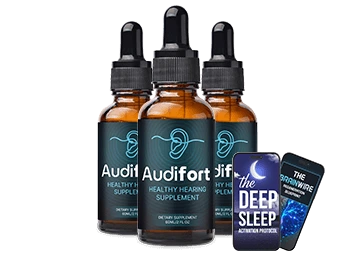
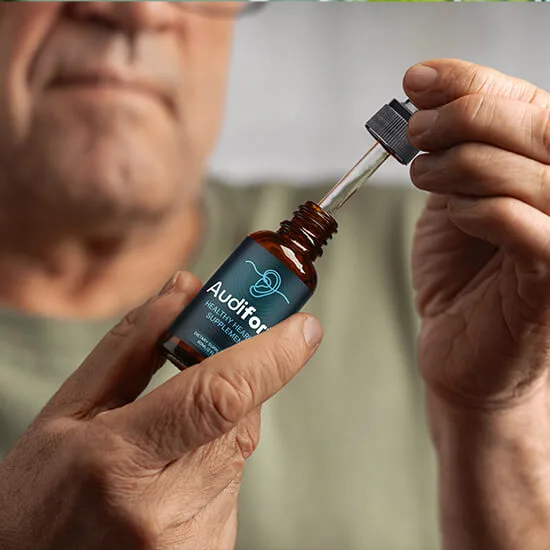
For instance, supplements like AudiFort are formulated with a combination of ingredients chosen for their potential to combat oxidative stress, improve circulation, and support nerve function. Such products aim to provide a convenient way to bolster your body's natural defenses against the factors contributing to hearing loss, acting as a complementary strategy to a healthy lifestyle.
When considering a supplement, it's essential to look for products that are transparent about their ingredients, manufactured in GMP-certified facilities, and ideally, backed by scientific research. Always consult with a healthcare professional before starting any new supplement regimen, especially if you have existing health conditions or are taking other medications. For a more in-depth look at how specific supplements like AudiFort work, you can read our detailed review at audifort-review-does-it-work.html.
Key Natural Ingredients Supporting Auditory Health
Many advanced hearing support formulas, including AudiFort, incorporate a blend of natural ingredients carefully selected for their potential benefits to the auditory system. These ingredients often work synergistically to provide comprehensive protection and support.

Capsicum Annuum
Role: Rich in antioxidants and compounds like capsaicin, Capsicum Annuum is believed to improve blood circulation, which is vital for delivering oxygen and nutrients to the delicate inner ear structures. It also possesses anti-inflammatory properties.
Typically 50-200mg extract
GABA (Gamma-Aminobutyric Acid)
Role: GABA is a primary inhibitory neurotransmitter in the brain, playing a crucial role in regulating neuronal excitability. For hearing, it may help modulate auditory processing, reduce neural overactivity, and potentially alleviate symptoms like tinnitus by promoting a calming effect on the nervous system.
Typically 100-500mg
Grape Seed Extract
Role: A potent source of oligomeric proanthocyanidin complexes (OPCs), Grape Seed Extract is a powerful antioxidant. It supports cardiovascular health, improves blood flow to the microvasculature of the inner ear, and helps protect cells from oxidative damage and inflammation.
Typically 50-300mg extract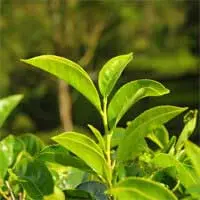
Green Tea Extract
Role: Renowned for its high concentration of polyphenols, particularly epigallocatechin gallate (EGCG), Green Tea Extract offers significant antioxidant and anti-inflammatory benefits. It helps protect cochlear hair cells from oxidative stress and may support overall cellular health in the auditory system.
Typically 100-500mg extract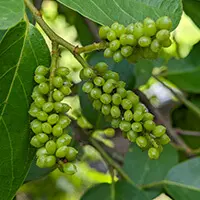
Gymnema Sylvestre
Role: Traditionally used for its benefits in blood sugar regulation, Gymnema Sylvestre may indirectly support hearing health by promoting better metabolic balance. Stable blood sugar is crucial for the delicate nerve function and microcirculation within the inner ear, which can be affected by metabolic imbalances.
Typically 100-400mg extract
Maca Root
Role: An adaptogenic herb, Maca Root is known for its ability to enhance energy, stamina, and overall vitality. It may support hormonal balance and improve circulation, which can contribute to better nutrient delivery to the inner ear and help the body cope with various stressors that impact health, including hearing.
Typically 250-1000mg extract
Take Control of Your Hearing Health Today with AudiFort
Don't let age-related hearing decline diminish your quality of life. Empower your auditory system with AudiFort, a natural supplement designed to support healthy hearing function and protect against the damaging effects of oxidative stress. Our carefully crafted formula combines powerful antioxidants like Vitamin E and C with other scientifically researched ingredients to provide comprehensive support for your ears.
- Supports healthy hearing function
- Combats age-related oxidative stress
- Promotes inner ear cell protection
- Formulated with powerful antioxidants
- Made with natural, plant-based ingredients



What Our Customers Are Saying
"I've noticed a significant improvement in my ability to follow conversations in noisy environments since starting AudiFort. My ears feel sharper, and the clarity is back. Highly recommend this product!"
"After years of struggling with age-related hearing issues, I decided to try AudiFort. The natural ingredients, especially the antioxidants, gave me confidence. I'm thrilled with the results – my hearing feels more robust."
"My audiologist recommended looking into antioxidant support for my ears, and AudiFort came up. I've been taking it for a few months, and the subtle improvements in clarity are making a big difference in my daily life. Excellent product!"
Frequently Asked Questions
How do antioxidants like Vitamin E and C protect hearing?
+Antioxidants combat oxidative stress, a process where unstable molecules called free radicals damage cells. In the context of hearing, these free radicals can harm the delicate hair cells and nerve structures in the inner ear, leading to hearing loss. Vitamin E, a fat-soluble antioxidant, protects cell membranes from lipid peroxidation, while Vitamin C, a water-soluble antioxidant, neutralizes free radicals in aqueous environments and regenerates Vitamin E. Together, they form a robust defense against cellular damage.
Can diet alone provide enough Vitamin E and C for optimal hearing protection?
+While a diet rich in fruits, vegetables, nuts, and seeds can provide significant amounts of Vitamin E and C, modern dietary habits, soil depletion, and individual absorption rates can sometimes make it challenging to obtain optimal levels solely through food. Factors like cooking methods can also reduce nutrient content. For targeted hearing support, especially as we age, supplementation can be a beneficial strategy to ensure consistent and adequate intake of these crucial antioxidants.
Is age-related hearing loss (presbycusis) preventable?
+Age-related hearing loss is a complex condition influenced by genetics, environmental factors, and lifestyle. While it may not be entirely preventable for everyone, its onset and severity can often be significantly mitigated. Strategies include protecting ears from excessive noise, managing underlying health conditions, adopting a nutrient-rich diet, regular exercise, and considering targeted nutritional support, such as antioxidants, to combat oxidative damage over time. It's about proactive health management.
What is the ideal dosage for Vitamin E and C for hearing health?
+There isn't a universally established 'ideal' dosage specifically for hearing health, as research is ongoing and individual needs vary. However, general recommendations for adults often suggest around 15 mg (33 IU) of Vitamin E per day and 75-90 mg of Vitamin C per day for overall health. For therapeutic or protective purposes, higher doses might be considered under medical supervision. It's crucial to consult a healthcare professional to determine appropriate dosages based on your specific health status and needs, especially when considering supplements.
Are there any side effects of taking Vitamin E and C supplements?
+When taken within recommended daily allowances, Vitamin E and C supplements are generally safe for most individuals. However, excessive doses can lead to side effects. High doses of Vitamin E can increase bleeding risk, especially for those on blood thinners, and may cause nausea or diarrhea. Very high doses of Vitamin C can lead to digestive upset, kidney stones in susceptible individuals, or iron overload. Always adhere to dosage instructions and consult your doctor before starting any new supplement, particularly if you have pre-existing health conditions or are on medication.
How does AudiFort relate to these vitamins and hearing protection?
+AudiFort is a natural dietary supplement formulated to support hearing health, often incorporating a blend of ingredients known for their antioxidant and neuroprotective properties, including vitamins like E and C. It's designed to complement a healthy lifestyle by providing targeted nutritional support to combat factors like oxidative stress that contribute to age-related hearing decline. While it contains these beneficial vitamins, it is a comprehensive formula that includes other natural compounds to offer a holistic approach to auditory wellness.
Related Articles