Are Persistent Ringing Ears Disrupting Your Peace and Quiet?
The incessant buzzing, hissing, or ringing in your ears, medically known as tinnitus, can be more than just an annoyance; it can significantly impact your quality of life, sleep, and overall well-being. Millions worldwide experience this phantom noise, often without a clear understanding of its cause or effective solutions.
While tinnitus isn't a disease itself, it's often a symptom of an underlying condition, frequently associated with age-related hearing loss. Fortunately, there are numerous natural strategies and remedies that can help manage and even alleviate these bothersome sounds, restoring a sense of calm and clarity to your auditory world.
Understanding Tinnitus: More Than Just a Ring
Tinnitus is the perception of noise or ringing in the ears when no external sound is present. It’s not a condition itself, but rather a symptom of an underlying health issue. For many, it's a mild annoyance, but for others, it can be a debilitating condition that severely impacts daily life.
The sounds of tinnitus can vary widely, from a low roar or buzz to a high-pitched whine or whistle. It can be intermittent or constant, affecting one ear or both. The perception of these sounds originates within the auditory pathways of the brain, even though it feels like it's coming from the ear. Understanding the different types and potential causes is the first step toward finding effective relief.
Common causes of tinnitus include exposure to loud noise, earwax blockage, certain medications (ototoxic drugs), Meniere's disease, temporomandibular joint (TMJ) disorders, head or neck injuries, and even cardiovascular conditions. However, one of the most prevalent causes, especially as we age, is hearing loss.
💡 Key Takeaway
Tinnitus is an internal sound perception, often a symptom of underlying health issues like noise exposure or, most commonly, age-related hearing loss, requiring a targeted approach for relief.
The Intricate Link Between Tinnitus and Age-Related Hearing Loss
As we grow older, our hearing naturally declines, a condition known as presbycusis or age-related hearing loss. This gradual loss of high-frequency hearing is incredibly common, and it often goes hand-in-hand with the development of tinnitus.
Neural Reorganization
When the delicate hair cells in the inner ear are damaged or die off due to aging, they stop sending signals to the brain. In response, the brain's auditory cortex can undergo reorganization, leading to increased neural activity in an attempt to compensate for the missing input. This hyperactivity is often perceived as the phantom sounds of tinnitus.
Reduced External Sound Input
With hearing loss, the brain receives less external sound information. This reduction in "background noise" can make any internal sounds, like those of tinnitus, much more noticeable and bothersome. It's like trying to hear a whisper in a quiet room versus a noisy one – the whisper becomes more prominent.
Blood Flow and Vascular Changes
Aging can also lead to changes in blood vessels, reducing efficient blood flow to the inner ear. The inner ear relies on a rich blood supply for its delicate structures to function optimally. Compromised circulation can contribute to both hearing loss and the development or worsening of tinnitus symptoms.
Oxidative Stress and Inflammation
Over time, the cells of the inner ear can accumulate damage from free radicals and chronic inflammation, processes that accelerate with age. This cellular damage can impair auditory function and contribute to both hearing loss and tinnitus. Natural antioxidants and anti-inflammatory compounds can play a crucial role in mitigating this damage.
Understanding this strong connection is vital because it means that strategies aimed at supporting overall auditory health and mitigating age-related decline can also be highly effective in managing tinnitus. Many natural remedies focus on improving circulation, reducing inflammation, protecting nerve cells, and supporting the brain's ability to process sound more effectively.
Lifestyle Adjustments for Tinnitus Management
Beyond specific treatments, adopting certain lifestyle habits can significantly impact the severity and perception of tinnitus. These changes are often the first line of defense and can provide substantial relief.
1. Noise Avoidance and Protection: Exposure to loud noises is a primary culprit for both hearing loss and tinnitus. Protect your ears by using earplugs or earmuffs in noisy environments, such as concerts, construction sites, or when using power tools. Reduce volume when listening to headphones. Giving your ears a break from constant noise can prevent further damage and sometimes reduce existing tinnitus.
2. Stress Reduction Techniques: Stress and anxiety are well-known triggers for worsening tinnitus. Implementing stress-reducing practices into your daily routine can be immensely helpful. Consider activities like meditation, deep breathing exercises, yoga, or tai chi. Even short breaks throughout the day for mindfulness can make a difference. Managing stress helps calm the nervous system, which can, in turn, reduce the perception of tinnitus.
3. Dietary Modifications: Certain foods and beverages can act as stimulants or inflammatory agents, potentially aggravating tinnitus. Try to limit or avoid:
- Caffeine: Found in coffee, tea, and some sodas, caffeine can increase blood pressure and stimulate the nervous system.
- Sodium: High salt intake can affect blood pressure and fluid balance, potentially impacting inner ear pressure.
- Alcohol: Alcohol can dilate blood vessels, increasing blood flow to the inner ear, which some individuals find exacerbates their tinnitus.
- Artificial Sweeteners: Some people report increased tinnitus symptoms after consuming products with artificial sweeteners.
4. Regular Exercise: Physical activity improves circulation throughout the body, including to the ears and brain. Enhanced blood flow ensures that these delicate structures receive adequate oxygen and nutrients, which can aid in their repair and function. Aim for at least 30 minutes of moderate exercise most days of the week. This also serves as an excellent stress reliever.
5. Adequate Sleep: Tinnitus can disrupt sleep, and lack of sleep can, in turn, make tinnitus feel worse. Establish a consistent sleep schedule, create a dark and quiet sleep environment, and avoid screens before bedtime. If tinnitus makes it hard to fall asleep, consider using a white noise machine or a fan to mask the ringing.
These lifestyle adjustments, while seemingly simple, form a powerful foundation for managing tinnitus naturally and can significantly improve your quality of life.

Effective Natural Remedies & Home Care Strategies
Beyond lifestyle changes, several natural remedies and home care strategies have shown promise in alleviating tinnitus symptoms. These approaches often work by addressing underlying factors, calming the nervous system, or providing symptomatic relief.
Sound Therapy & Masking
Using external sounds to distract from or mask the internal ringing is a widely adopted technique. White noise machines, nature sounds (rain, ocean waves), soft music, or even a fan can provide relief, especially at night. Specialized tinnitus maskers, often worn like hearing aids, can also be prescribed to generate custom sounds.
Herbal Supplements
Certain herbs are traditionally used for their circulatory and neuroprotective properties. Ginkgo Biloba is popular for improving blood flow to the brain and inner ear. Other herbs like Turmeric (for inflammation) and Hawthorn (for cardiovascular support) may also be beneficial. Always consult a healthcare professional before starting new supplements, especially if on medication. For more comprehensive insights into natural hearing health relief, you can read our article on natural hearing health relief remedies.
Acupuncture
This ancient Chinese practice involves inserting thin needles into specific points on the body. For tinnitus, acupuncture aims to restore energy balance, improve circulation, and reduce inflammation. Many individuals report a reduction in tinnitus intensity and associated stress after a series of acupuncture sessions.
Mindfulness & Meditation
These practices teach you to observe your thoughts and sensations without judgment, including the sound of tinnitus. While it doesn't eliminate the sound, it can change your reaction to it, reducing its perceived intrusiveness and emotional impact. Regular practice can lead to a significant reduction in stress and anxiety related to tinnitus.
Dietary Support & Key Nutrients
Ensuring adequate intake of certain vitamins and minerals is crucial for auditory health. Magnesium is important for nerve function and protecting hair cells. Zinc deficiencies have been linked to tinnitus in some cases. B vitamins, particularly B12, play a role in nerve health and can be beneficial. Antioxidants found in fruits and vegetables help combat oxidative stress in the inner ear.
Essential Oils
While not a direct cure, certain essential oils can help manage symptoms by promoting relaxation and reducing stress. Lavender, cypress, and frankincense oils can be diffused or diluted with a carrier oil and massaged around the ear (never directly into the ear canal). Always perform a patch test first and use high-quality, therapeutic-grade oils.
Combining several of these natural approaches often yields the best results, as they work synergistically to support overall auditory health and well-being. It's about finding the combination that works best for your specific type of tinnitus and lifestyle.
When to Seek Professional Help for Ringing Ears
While many cases of tinnitus are benign and respond well to natural remedies, there are instances where professional medical evaluation is crucial. Knowing when to consult a doctor can prevent potential complications and ensure proper diagnosis.
You should seek immediate medical attention if your tinnitus:
- Develops suddenly or without an obvious cause.
- Affects only one ear (unilateral tinnitus). This can sometimes indicate a more serious underlying condition.
- Is accompanied by sudden hearing loss, dizziness, or vertigo.
- Pulsates in sync with your heartbeat (pulsatile tinnitus). This could be a sign of a vascular issue.
- Is associated with severe pain, discharge, or numbness in the ear or face.
- Significantly impacts your sleep, concentration, or emotional well-being.
An audiologist or an Ear, Nose, and Throat (ENT) specialist can perform a comprehensive evaluation, including hearing tests, to determine the cause of your tinnitus and rule out serious conditions. They can also offer medical treatments, hearing aids, or specialized therapies like Tinnitus Retraining Therapy (TRT) if necessary. Even when opting for natural methods, a medical diagnosis provides a clear starting point and ensures you're not overlooking a treatable condition.
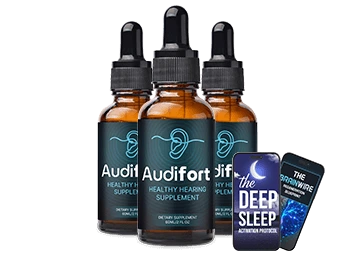
Introducing AudiFort: A Natural Approach to Auditory Wellness
While lifestyle changes and specific natural remedies can be highly effective, sometimes a comprehensive approach is needed to provide the body with targeted support. AudiFort is a natural dietary supplement formulated to support overall auditory health and address some of the underlying factors contributing to tinnitus, especially those linked to age-related decline.
AudiFort combines a blend of potent ingredients, each selected for its scientifically recognized properties to support hearing function, improve circulation, protect delicate ear structures, and reduce the perception of ringing. It’s designed to work synergistically, offering a multi-faceted approach to inner ear health.
The formulation of AudiFort focuses on ingredients known to combat oxidative stress, support healthy nerve function, enhance blood flow to the auditory system, and promote a balanced neurological environment. This makes it a compelling option for those seeking a natural, holistic aid in their journey to quiet the ringing. For those looking for the best supplement to support inner ear health and tinnitus relief, this article offers further insights.

GABA (Gamma-Aminobutyric Acid)
Role: A primary inhibitory neurotransmitter in the brain, GABA helps to calm nerve activity. In the context of tinnitus, it may help reduce the overactive neural firing that contributes to the perception of phantom sounds, promoting a sense of calm and reducing anxiety associated with tinnitus.
Dose: 100-200mg
Green Tea Extract
Role: Rich in powerful antioxidants, particularly EGCG (Epigallocatechin gallate), green tea helps protect the delicate hair cells and nerve tissues of the inner ear from oxidative damage caused by free radicals. It also supports healthy blood flow, which is crucial for nutrient delivery to the auditory system.
Dose: 250-500mg extract
Grape Seed Extract
Role: Another potent antioxidant and anti-inflammatory agent, grape seed extract is known to improve microcirculation. By enhancing blood flow to the inner ear, it ensures that auditory cells receive vital oxygen and nutrients, potentially aiding in their repair and reducing inflammation that can contribute to tinnitus.
Dose: 100-300mg
Maca Root
Role: An adaptogen, Maca root helps the body adapt to stress and supports hormonal balance. While not directly targeting the ear, its ability to reduce stress and improve overall energy and vitality can indirectly help manage tinnitus symptoms, as stress is a known exacerbating factor.
Dose: 500-1000mg
Gymnema Sylvestre
Role: Traditionally used to support healthy blood sugar levels, Gymnema Sylvestre may also have implications for nerve health. Stable blood sugar is important for nerve function throughout the body, including the auditory system, and imbalances can sometimes contribute to neurological symptoms like tinnitus.
Dose: 200-400mg
Capsicum Annuum (Cayenne)
Role: Known for its circulatory benefits, Capsicum Annuum can help improve blood flow. Enhanced circulation to the inner ear ensures that essential nutrients reach auditory cells more efficiently, supporting their health and function, and potentially reducing inflammation.
Dose: 25-100mgBy providing these key nutrients and compounds, AudiFort aims to create an optimal environment for auditory health, helping to quiet the ringing and improve overall ear function, particularly beneficial for individuals experiencing age-related hearing concerns. Remember, consistent use as directed is important for best results.
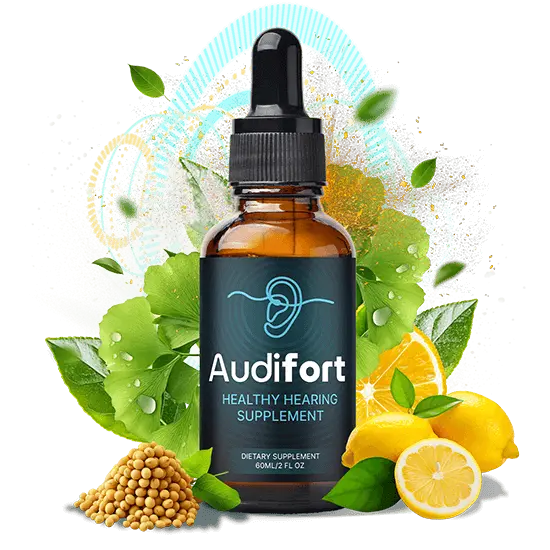
Experience the Natural Difference with AudiFort
Take control of your auditory health and reduce the disruptive sounds of tinnitus with AudiFort. Our carefully crafted formula provides targeted nutritional support to your inner ear, promoting clarity and peace.
- ✓ Supports healthy blood flow to the inner ear
- ✓ Protects delicate auditory cells from oxidative stress
- ✓ Helps calm overactive nerve signals associated with tinnitus
- ✓ Formulated with 100% natural, scientifically-backed ingredients
- ✓ Manufactured in a GMP-certified facility in the USA




Beyond Supplements: A Holistic Approach to Hearing Health
While supplements like AudiFort can provide valuable support, achieving lasting relief from tinnitus and promoting optimal hearing health requires a holistic approach. It's about weaving together various strategies into a comprehensive wellness plan.
Remember that the journey to managing tinnitus is often multi-faceted. Combining dietary support, stress management, noise protection, and targeted supplements creates a powerful synergy. Consider exploring our guide on how to improve hearing health naturally for more comprehensive strategies.
Consistency is paramount. Natural remedies and lifestyle changes often require time to show their full effects. Be patient with yourself and celebrate small victories along the way. Regularly reassess your strategies and consult with healthcare professionals to ensure your approach remains effective and tailored to your evolving needs.
Empowering yourself with knowledge and proactive steps is the best way to regain control over your auditory well-being. By embracing a holistic view, you can not only quiet the ringing but also foster overall health and vitality.
Real Stories, Real Relief: AudiFort User Testimonials
"For years, the constant ringing made it hard to focus or even sleep. I tried so many things, but AudiFort has truly made a difference. The buzzing is much quieter now, and I feel like I have my peace back. Highly recommend!"
"My doctor suggested it might be age-related, and the ringing was unbearable. After a few weeks on AudiFort, I noticed a significant improvement. It’s not completely gone, but it’s so much more manageable. I'm grateful for this natural solution."
"I was skeptical at first, but the natural ingredients and the guarantee convinced me to try AudiFort. My tinnitus has lessened, and I feel calmer overall. It’s comforting to know I'm supporting my hearing health naturally."
Frequently Asked Questions
Can tinnitus really be stopped naturally?
+While a complete 'cure' for all forms of tinnitus is not always possible, many individuals find significant relief and reduction in symptoms through natural methods. These can include lifestyle adjustments, dietary changes, sound therapy, stress management, and targeted nutritional support. The effectiveness often depends on the underlying cause and individual response. Consistency and a multi-faceted approach are key.
How long does it take for natural remedies to work for tinnitus?
+The timeline for experiencing relief from natural remedies can vary greatly among individuals. Some may notice subtle improvements within a few weeks, while for others, it might take several months of consistent application. Factors such as the severity and cause of tinnitus, adherence to the regimen, and individual physiology all play a role. Patience and persistence are crucial when pursuing natural solutions.
Is AudiFort safe to use with other medications?
+AudiFort is formulated with natural ingredients generally recognized as safe. However, if you are currently taking any medications or have pre-existing medical conditions, it is always recommended to consult with your healthcare provider or a qualified physician before starting any new supplement, including AudiFort. This ensures there are no potential interactions or contraindications specific to your health profile.
What lifestyle changes are most important for reducing ear ringing?
+Several lifestyle changes are crucial for managing tinnitus. Reducing exposure to loud noises and protecting your ears, effectively managing stress through techniques like meditation or yoga, maintaining a balanced diet low in processed foods, caffeine, and excessive salt, and ensuring adequate sleep are among the most impactful. Regular physical activity also contributes to overall circulatory and neurological health, which can benefit tinnitus.
How does age-related hearing loss contribute to tinnitus?
+Age-related hearing loss, or presbycusis, is a very common underlying cause of tinnitus. As hearing deteriorates, the brain may compensate for the lack of external sound input by generating its own internal noise, which we perceive as tinnitus. This neural reorganization can lead to hyperactivity in certain auditory pathways. Addressing hearing loss, even mildly, can sometimes help alleviate associated tinnitus.
Are there any foods I should avoid if I have tinnitus?
+While there's no universal 'tinnitus diet,' some individuals report that certain foods and beverages can exacerbate their symptoms. Common culprits include excessive caffeine, high sodium foods, artificial sweeteners, and alcohol. Some people also find that certain allergens or high-sugar foods can worsen their tinnitus. Keeping a food diary can help identify personal triggers to avoid.
Related Articles