Are you feeding your ears the nutrients they need to thrive?
In a world filled with constant sound, the health of our ears is more important than ever. Yet, many of us overlook one of the most powerful tools we have to protect our hearing: our diet. Just as certain foods support heart health or boost brain function, a targeted nutritional approach can significantly impact the longevity and vitality of our auditory system.
Understanding the connection between what you eat and your ear health is the first step toward preventing common issues like age-related hearing loss. This article will guide you through the best foods for hearing health, offering practical advice on how to nourish your ears from the inside out and safeguard your precious sense of sound for years to come.
The Crucial Link Between Nutrition and Hearing Health
Our ears are complex organs, housing delicate cells and intricate mechanisms that translate sound waves into signals our brain can understand. Like any other part of the body, these structures are susceptible to damage, particularly from factors like oxidative stress, inflammation, and poor circulation. This is where diet steps in as a powerful protector.
Scientific research increasingly demonstrates that a diet rich in specific vitamins, minerals, and antioxidants can significantly reduce the risk and slow the progression of age-related hearing loss, also known as presbycusis. The inner ear, especially the cochlea, is highly metabolic and requires a consistent supply of nutrients to function optimally. Without adequate nutritional support, these cells can become vulnerable to damage from free radicals and environmental stressors.
Think of your diet as providing the building blocks and protective shield for your auditory system. When you consume foods packed with beneficial compounds, you're not just nourishing your body; you're actively contributing to the resilience of your ear health, helping to maintain the integrity of nerve pathways, reduce inflammation, and ensure robust blood flow to the tiny capillaries that feed your inner ear. Understanding this fundamental connection empowers you to make conscious choices that safeguard your hearing for the long term.
💡 Key Takeaway
A balanced diet rich in specific vitamins, minerals, and antioxidants is vital for protecting the delicate structures of the inner ear, combating oxidative stress and inflammation, and significantly reducing the risk of age-related hearing loss.
Essential Nutrients for Optimal Ear Function
To truly understand what to eat to protect your ears, it's important to identify the key players in nutritional science that directly benefit hearing. These nutrients work synergistically to support various aspects of auditory health, from nerve function to cellular protection.
Antioxidants (Vitamins C & E, Beta-Carotene)
Antioxidants are crucial for combating oxidative stress, a process where unstable molecules called free radicals damage cells. The delicate hair cells in the cochlea are particularly vulnerable to this damage, which can lead to hearing loss. Vitamins C and E, along with beta-carotene, neutralize these free radicals, acting as a protective shield for your inner ear.
Magnesium
Magnesium plays a critical role in protecting the hair cells of the inner ear from damage caused by loud noise exposure. Studies suggest that adequate magnesium intake can reduce the severity of temporary noise-induced hearing loss. It also helps regulate blood flow, ensuring that the inner ear receives a steady supply of oxygen and nutrients.
Zinc
Zinc is a powerful antioxidant and immune booster found in high concentrations in the inner ear. It is essential for cell growth and healing and may protect against age-related hearing loss and even alleviate tinnitus symptoms in some individuals. Its anti-inflammatory properties further contribute to overall ear health.
Omega-3 Fatty Acids
Omega-3s, particularly EPA and DHA, are renowned for their anti-inflammatory properties and their role in maintaining healthy nerve function. They are vital for the proper development and function of the auditory system, reducing inflammation in the tiny blood vessels of the ear and supporting the health of neural pathways that transmit sound signals to the brain.
Folic Acid (Vitamin B9)
Folic acid has been linked to better hearing health, particularly in older adults. It helps the body metabolize homocysteine, an amino acid that, in high levels, can impair blood flow to the inner ear. By improving circulation, folic acid ensures that the cochlea receives the oxygen and nutrients it needs to function effectively, potentially slowing the progression of age-related hearing loss.
Potassium
Potassium is crucial for the fluid that bathes the inner ear (endolymph), which is essential for converting sound into electrical signals. As we age, potassium levels can naturally decline, potentially impacting this vital process. Ensuring adequate potassium intake helps maintain the delicate balance required for optimal auditory function.
Vitamin D
Vitamin D is essential for maintaining strong bones, including the three tiny bones (ossicles) in the middle ear that transmit sound vibrations. Research also suggests a link between Vitamin D deficiency and hearing loss, indicating its broader role in auditory health and potentially protecting against damage to the inner ear structures. More information on specific vitamins for ear health and hearing can be found in our detailed guide.
The Best Foods for Hearing Health: Your Auditory Diet Plan
Now that we understand the key nutrients, let's explore which foods are powerhouses for your ears. Incorporating these into your daily diet is a delicious and effective way to protect your hearing and potentially combat age-related hearing loss.
1. Fatty Fish (Salmon, Mackerel, Sardines)
Rich in Omega-3 fatty acids, these fish are champions for your ear health. Omega-3s reduce inflammation throughout the body, including the delicate blood vessels that supply the inner ear. They also contribute to the health of nerve cells, which are vital for transmitting sound signals. Aim for two servings per week.
2. Leafy Green Vegetables (Spinach, Kale, Swiss Chard)
These greens are packed with folic acid (Vitamin B9), which helps improve blood circulation to the inner ear by reducing homocysteine levels. They also provide a wealth of antioxidants like Vitamins C and E, and beta-carotene, protecting ear cells from oxidative damage. The magnesium content further aids in noise protection.
3. Citrus Fruits (Oranges, Grapefruits, Lemons)
Brimming with Vitamin C, citrus fruits are potent antioxidants. Vitamin C helps bolster the immune system and protect against cellular damage from free radicals, which can harm the sensitive structures of the inner ear. Regular intake can help maintain the health of the cochlea.
4. Nuts and Seeds (Almonds, Walnuts, Flaxseeds, Chia Seeds)
These tiny powerhouses offer a fantastic blend of nutrients. Walnuts and flaxseeds are great sources of Omega-3s. Almonds are rich in Vitamin E, a powerful antioxidant. Many nuts and seeds also provide essential minerals like zinc and magnesium, both critical for protecting against noise-induced hearing loss and supporting overall ear function.
5. Avocados
Avocados are a good source of healthy fats, but more importantly for hearing, they contain significant amounts of potassium and folic acid. Potassium is crucial for the fluid balance in the inner ear, while folic acid supports circulation. These nutrients work together to ensure the efficient conversion of sound waves into neural signals.
6. Bananas
Like avocados, bananas are excellent sources of potassium. Given potassium's role in the inner ear fluid, incorporating bananas into your diet can help maintain the necessary electrochemical environment for optimal hearing, especially as potassium levels tend to decrease with age.
7. Dark Chocolate
Good news for chocolate lovers! Dark chocolate (with high cocoa content) is rich in antioxidants and magnesium. Antioxidants protect ear cells, while magnesium can help prevent noise-induced hearing loss and improve blood flow. Enjoy in moderation, of course!
8. Beans and Legumes (Lentils, Black Beans, Chickpeas)
These plant-based proteins are fantastic sources of folic acid and zinc. Folic acid supports inner ear circulation, while zinc is essential for immune function and cell protection within the auditory system. Regularly consuming beans and legumes can be a cornerstone of a hearing-healthy diet.
9. Dairy and Fortified Foods (Milk, Yogurt, Fortified Cereals)
These foods are often fortified with Vitamin D. As mentioned, Vitamin D is vital for bone health, including the tiny ossicles in the middle ear. Ensuring adequate Vitamin D levels can support the structural integrity of the auditory system and may influence overall hearing acuity.
10. Garlic
Garlic is well-known for its medicinal properties, including its powerful antioxidant and anti-inflammatory compounds. These properties can help protect the delicate cells of the inner ear from damage and improve overall circulatory health, which is beneficial for robust hearing.
By making these foods staples in your diet, you're taking proactive steps to safeguard your hearing. Remember, consistency is key when it comes to nutritional benefits. For those interested in a more comprehensive approach to combating age-related hearing decline, exploring options like age-related hearing loss prevention strategies can provide additional insights.

Foods to Limit or Avoid for Better Hearing
While focusing on beneficial foods is crucial, it's equally important to be aware of dietary choices that can potentially harm your hearing health or accelerate age-related hearing loss. Minimizing these can further protect your ears.
Excessive Sugar and Processed Foods
High sugar intake can lead to insulin resistance and inflammation, affecting blood vessel health throughout the body, including the inner ear. Processed foods often contain high levels of unhealthy fats, sodium, and artificial ingredients that contribute to systemic inflammation and oxidative stress, both detrimental to delicate ear structures.
High Sodium Intake
Too much sodium can lead to fluid retention and high blood pressure, which can negatively impact the delicate fluid balance in the inner ear and reduce blood flow. This can worsen conditions like Meniere's disease and contribute to general hearing decline. Opt for fresh foods and limit processed snacks.
Unhealthy Fats (Trans Fats, Excessive Saturated Fats)
Diets high in unhealthy fats can contribute to atherosclerosis, a hardening of the arteries. This reduces blood flow to all organs, including the ears, depriving them of essential oxygen and nutrients. Choose healthy fats from sources like avocados, nuts, and olive oil instead.
Excessive Alcohol and Caffeine
While moderate intake is generally fine, excessive alcohol and caffeine can affect blood circulation and nerve function. Some studies suggest a link between heavy alcohol consumption and hearing loss, potentially due to its neurotoxic effects. Limiting these can support overall auditory well-being.
Beyond Diet: A Holistic Approach to Hearing Protection
While a hearing-healthy diet is a cornerstone of ear protection, it's part of a larger picture. A holistic approach combines nutrition with other lifestyle factors to create the strongest defense against hearing loss.
Noise Protection: This is arguably the most critical factor. Chronic exposure to loud noises (concerts, construction, loud headphones) is a leading cause of permanent hearing damage. Always use earplugs or earmuffs in noisy environments, and keep headphone volume at a safe level (the 60/60 rule: 60% volume for no more than 60 minutes at a time). For more details, explore prevention strategies for age-related hearing loss prevention.
Regular Exercise: Physical activity improves blood circulation throughout the body, including the tiny blood vessels in your ears. Better blood flow means more oxygen and nutrients reach the delicate hair cells, which are essential for hearing. Aim for at least 30 minutes of moderate exercise most days of the week.
Stress Management: Chronic stress can lead to increased inflammation and affect overall health, potentially impacting hearing. Practices like meditation, yoga, or even simple deep breathing exercises can help manage stress levels and promote well-being.
Avoid Smoking: Smoking constricts blood vessels and reduces oxygen supply to the inner ear, significantly increasing the risk of hearing loss. Quitting smoking is one of the best things you can do for your overall health, including your hearing.
Regular Hearing Check-ups: Just like regular eye exams, routine hearing tests are crucial. They can detect early signs of hearing loss, allowing for timely intervention and management. Don't wait until you notice significant issues to get your hearing checked.
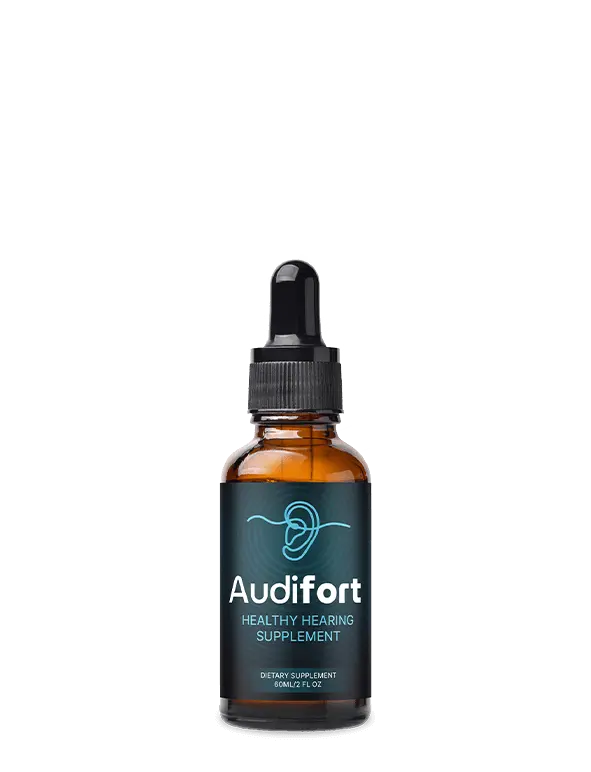
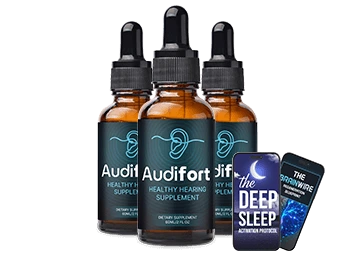
Consider Supplements: Even with the best diet, it can sometimes be challenging to obtain optimal levels of all essential nutrients, especially as we age. This is where a targeted supplement like AudiFort can play a supportive role. While not a replacement for a healthy diet, it can help bridge nutritional gaps and provide concentrated support for your auditory system. For a deeper dive into this topic, you might find our article on the best hearing health supplement insightful.
How AudiFort Supports Your Hearing Health
While a balanced diet is fundamental, sometimes our bodies need additional support to maintain optimal hearing health, especially in the face of environmental stressors and age-related changes. AudiFort is a natural dietary supplement formulated with a blend of ingredients specifically chosen for their potential to support auditory function and protect ear structures.
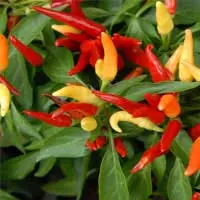
Capsicum Annuum
Role: Supports circulation and provides antioxidants.
Standardized extract
GABA
Role: Neurotransmitter support, potentially aiding nerve calm.
Optimal concentration
Grape Seed
Role: Powerful antioxidant, improves blood flow.
High potency extract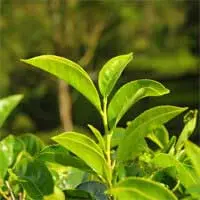
Green Tea
Role: Rich in antioxidants (EGCG) for cellular protection.
Decaffeinated extract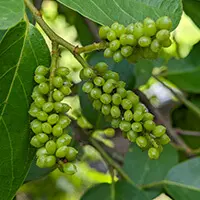
Gymnema Sylvestre
Role: Supports metabolic health, indirectly benefiting circulation.
Leaf extract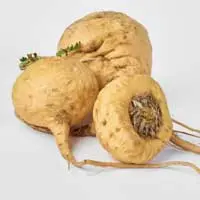
Maca Root
Role: Adaptogenic properties, supports energy and overall vitality.
Concentrated powderThese ingredients, along with other vitamins and minerals in AudiFort, are carefully selected to provide comprehensive support against factors that contribute to hearing decline. AudiFort aims to protect the delicate hair cells, support nerve function, and enhance circulation to the inner ear, offering a proactive step in preserving your auditory health.
Ready to Experience the Difference with AudiFort?
Take control of your hearing health journey today. AudiFort offers a powerful, natural solution crafted to support and protect your auditory system against the challenges of aging and environmental stressors. Don't let precious moments slip away due to declining hearing.
- ✓ Supports healthy hearing function
- ✓ Protects delicate ear cells from damage
- ✓ Promotes healthy blood flow to the inner ear
- ✓ Made with 100% natural ingredients
- ✓ Manufactured in a GMP-certified facility



Real Stories from AudiFort Users
"I've been using AudiFort for three months, and I've noticed a significant improvement in my ability to follow conversations in noisy environments. My ears feel sharper, and I'm less fatigued at the end of the day. Highly recommend!"
"As someone concerned about age-related hearing loss, I started taking AudiFort as a preventative measure. I feel more confident in my hearing, and it's comforting to know I'm giving my ears the best nutritional support."
"My doctor suggested I look into supplements for ear health, and AudiFort came highly recommended. The natural ingredients and the noticeable clarity in my hearing have made me a loyal customer. Thank you!"
Frequently Asked Questions
What role does diet play in preventing age-related hearing loss?
+A nutrient-rich diet provides essential antioxidants, vitamins, and minerals that protect delicate ear structures from oxidative stress, inflammation, and cellular damage, all of which contribute to age-related hearing loss (presbycusis). Specific nutrients like B vitamins, magnesium, zinc, and omega-3s are crucial for nerve function and blood flow to the inner ear.
Are there specific vitamins that are most beneficial for hearing health?
+Yes, several vitamins are particularly beneficial. Folic acid (Vitamin B9) helps reduce homocysteine levels, which can impair blood flow to the inner ear. Vitamins C and E are powerful antioxidants that combat free radical damage. Vitamin D is important for bone health, including the tiny bones in the middle ear, and may play a role in overall auditory function. B12 is also vital for nerve health.
Can certain foods worsen hearing loss or increase risk?
+While no food directly causes hearing loss, diets high in processed foods, excessive sugar, unhealthy fats, and high sodium can contribute to systemic inflammation, poor circulation, and oxidative stress. These factors can indirectly accelerate age-related hearing loss and worsen conditions like tinnitus. Limiting these foods is advisable for overall health, including auditory health.
How quickly can dietary changes impact hearing health?
+The impact of dietary changes on hearing health is typically gradual and cumulative. While you may not notice immediate changes, consistent consumption of nutrient-dense foods over months and years can significantly contribute to protecting your ears and slowing the progression of age-related hearing loss. It's a long-term investment in your auditory well-being.
Is AudiFort a suitable supplement for improving hearing health through nutrition?
+AudiFort is a natural dietary supplement designed to support hearing health by providing a blend of vitamins, minerals, and plant extracts known for their antioxidant and anti-inflammatory properties. It can complement a healthy diet, helping to fill nutritional gaps and further protect the delicate structures of the inner ear, especially when addressing concerns like age-related hearing decline.
What other lifestyle factors, besides diet, are important for ear protection?
+Beyond diet, crucial lifestyle factors include protecting your ears from loud noise exposure (using earplugs or earmuffs), maintaining regular physical activity to promote good circulation, managing stress, avoiding smoking, and getting regular hearing check-ups. A holistic approach combining healthy diet, protective measures, and a healthy lifestyle offers the best defense against hearing loss.
Related Articles