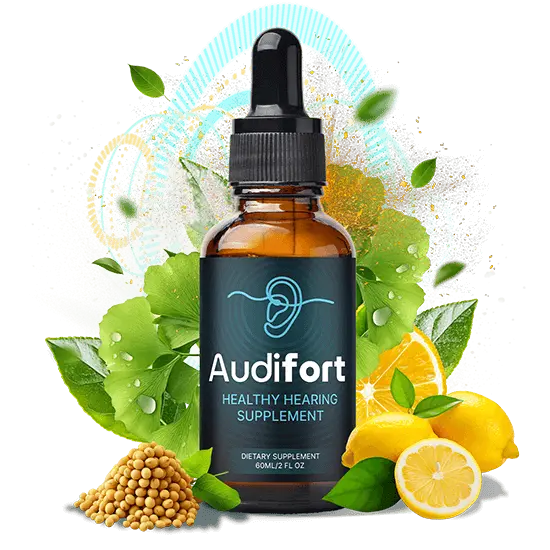
Are You Giving Your Ears the Nutritional Support They Need?
In our fast-paced world, we often take our senses for granted, especially our hearing. Yet, the intricate mechanisms of our ears are constantly working, processing countless sounds, from the quietest whisper to the loudest symphony. Just like any other vital organ, our auditory system requires specific nutrients to maintain its delicate structure and optimal function. Without adequate nutritional support, our ears can become vulnerable to damage, leading to issues like hearing loss, tinnitus, and decreased auditory clarity.
Understanding the critical role of vitamins and minerals in maintaining ear health is the first step towards safeguarding your hearing for years to come. This article delves into the science behind how specific nutrients impact your auditory system, offering insights into proactive nutritional strategies you can adopt today to support vibrant hearing and overall ear wellness. Don't wait until problems arise; empower yourself with knowledge to protect one of your most precious senses.
The Intricate Connection Between Nutrition and Auditory Health
Our ears are marvels of biological engineering, capable of converting subtle air vibrations into the rich tapestry of sound we perceive. This complex process relies on a delicate balance of biological functions, all of which are profoundly influenced by our nutritional intake. From the tiny hair cells in the cochlea to the intricate neural pathways that transmit sound signals to the brain, every component of the auditory system requires specific nutrients to perform its role efficiently.
Poor nutrition can leave these delicate structures vulnerable to damage from various stressors, including loud noise, age-related degeneration, and environmental toxins. For instance, oxidative stress, caused by an imbalance between free radicals and antioxidants, can harm the sensitive hair cells in the inner ear, which are crucial for hearing. Similarly, inadequate blood flow to the inner ear can deprive these cells of oxygen and essential nutrients, leading to their dysfunction or death. Inflammation, another pervasive issue linked to diet, can also contribute to auditory decline. Therefore, understanding and addressing the nutritional needs of your ears is not just about preventing problems; it's about optimizing their performance and longevity.
Over the past few decades, extensive research has highlighted the pivotal roles of specific vitamins, minerals, and plant compounds in protecting and supporting auditory function. These studies suggest that a diet rich in these key nutrients, or targeted supplementation when dietary intake is insufficient, can be a powerful strategy in the fight against age-related hearing loss, noise-induced hearing damage, and even conditions like tinnitus. This proactive approach to ear health is gaining traction as people seek natural and sustainable ways to maintain their well-being. To dive deeper into how various supplements can aid this, you might find our article on hearing loss supplements that work particularly insightful.
💡 Key Takeaway
Optimal ear health and hearing function are intrinsically linked to proper nutrition. Specific vitamins, minerals, and antioxidants are crucial for protecting delicate auditory structures, improving inner ear circulation, and mitigating damage from oxidative stress and inflammation, offering a proactive defense against hearing loss and related conditions.
Essential Vitamins for Robust Ear Health
Vitamins are organic compounds that our bodies need for a wide range of functions, and ear health is no exception. They act as cofactors for enzymes, participate in antioxidant defense systems, and support cellular repair and growth within the auditory system.
Vitamin C: The Antioxidant Powerhouse
Vitamin C is a potent antioxidant that helps protect the delicate cells of the inner ear from damage caused by free radicals. These free radicals are byproducts of normal metabolism and can also be generated by environmental stressors like loud noise. By neutralizing free radicals, Vitamin C helps preserve the integrity of hair cells, which are vital for converting sound vibrations into electrical signals. It also plays a role in collagen formation, which is crucial for the structural components of the ear. Rich sources include citrus fruits, bell peppers, strawberries, and broccoli.
Vitamin E: Another Crucial Antioxidant
Similar to Vitamin C, Vitamin E is a fat-soluble antioxidant that protects cell membranes from oxidative damage. Research suggests that Vitamin E, especially when combined with other antioxidants, can help reduce the risk of noise-induced hearing loss. It works by scavenging free radicals and reducing inflammation in the auditory pathway. You can find Vitamin E in nuts, seeds, spinach, and fortified cereals.
B Vitamins: The Nervous System's Best Friends
The entire B-vitamin complex plays a crucial role in nerve function and blood circulation, both of which are paramount for ear health.
- Vitamin B1 (Thiamine): Essential for nerve signal transmission and energy production within auditory cells.
- Vitamin B3 (Niacin): Improves blood circulation, which is vital for delivering oxygen and nutrients to the inner ear.
- Vitamin B6 (Pyridoxine): Involved in neurotransmitter synthesis, important for processing sound signals in the brain.
- Vitamin B9 (Folate/Folic Acid): Crucial for cell growth and repair. Studies have linked folate deficiency to age-related hearing loss.
- Vitamin B12 (Cobalamin): Plays a critical role in myelin sheath formation, protecting nerve fibers, and is often deficient in individuals with tinnitus and sensorineural hearing loss. A deficiency can impair nerve signal transmission.
Vitamin D: Beyond Bone Health
Often associated with bone health, Vitamin D also has receptors throughout the body, including in the inner ear. It plays a role in regulating calcium homeostasis, which is important for the tiny bones (ossicles) in the middle ear and the fluid balance in the cochlea. Low Vitamin D levels have been associated with an increased risk of osteopenia and osteoporosis, which can affect the integrity of the ossicles and contribute to hearing impairment. Sunlight exposure, fatty fish, and fortified foods are excellent sources.
Why Prioritize Nutritional Support for Your Hearing?
Investing in the nutritional health of your ears offers a multitude of benefits, extending beyond just hearing clarity. It's a holistic approach to maintaining one of your most vital senses and enhancing your overall quality of life.
Protects Delicate Hair Cells
The tiny hair cells in your inner ear are indispensable for converting sound vibrations into electrical signals. Nutrients like antioxidants (Vitamin C, E, Alpha-Lipoic Acid) and minerals (Zinc, Magnesium) shield these fragile cells from damage caused by oxidative stress, inflammation, and exposure to loud noises, preserving their function over time.
Improves Inner Ear Blood Flow
A healthy blood supply is crucial for delivering oxygen and nutrients to the inner ear and removing waste products. Nutrients such as Ginkgo Biloba, Niacin (Vitamin B3), and Magnesium help dilate blood vessels and improve microcirculation, ensuring the auditory system receives the vital resources it needs for optimal performance.
Reduces Tinnitus Symptoms
For many sufferers, tinnitus (ringing in the ears) can be debilitating. Certain nutrients, particularly Zinc, Magnesium, and specific B vitamins, have shown promise in reducing the severity and frequency of tinnitus by improving nerve function, reducing inflammation, and protecting against cellular damage in the auditory pathways.
Enhances Auditory Nerve Function
The auditory nerve transmits sound signals from the cochlea to the brain. B vitamins, especially B12 and Folate, are essential for maintaining the health and integrity of nerve cells and their myelin sheaths, ensuring efficient and clear transmission of auditory information, which is critical for sound processing and understanding speech.
Supports Overall Cognitive Health
Hearing loss is increasingly linked to cognitive decline. By supporting auditory health, you indirectly support brain health. Nutrients that benefit the ears often also benefit the brain, improving neural connectivity, reducing oxidative stress, and enhancing overall cognitive function, thus helping to maintain mental sharpness as you age.
Boosts Natural Defenses Against Damage
A robust nutritional profile strengthens your ears' natural resilience against common threats like age-related degeneration and environmental noise. By providing the building blocks for repair and protection, these nutrients empower your auditory system to better withstand daily wear and tear, contributing to long-term hearing preservation.

Key Minerals for Optimal Auditory Function
Minerals are inorganic substances that are crucial for various physiological processes, including those that govern our hearing. They act as catalysts, structural components, and regulators within the auditory system.
Magnesium: The Protector of Hair Cells
Magnesium is perhaps one of the most well-researched minerals for ear health. It plays a vital role in protecting the hair cells in the cochlea from damage, particularly from loud noise exposure. Studies have shown that magnesium can help prevent noise-induced hearing loss by blocking calcium channels and improving blood flow to the inner ear. It also helps relax blood vessels, which can be beneficial for circulation. Foods rich in magnesium include dark leafy greens, nuts, seeds, legumes, and whole grains.
Zinc: The Immune and Healing Mineral
Zinc is an essential trace mineral with powerful antioxidant and immune-boosting properties. It is highly concentrated in the inner ear, suggesting its critical role in auditory function. Zinc deficiency has been linked to both tinnitus and age-related hearing loss. It helps protect cells from oxidative damage, supports immune response, and is involved in the healing process of damaged cells. Oysters, red meat, poultry, beans, and nuts are good dietary sources of zinc.
Potassium: Regulating Inner Ear Fluids
Potassium is crucial for maintaining the fluid balance in the inner ear, specifically the endolymph in the cochlea. This fluid is essential for converting sound vibrations into electrical signals that the brain can interpret. As we age, potassium levels can decline, potentially affecting this process. Maintaining adequate potassium intake through foods like bananas, potatoes, spinach, and avocados is important for supporting inner ear function.
Selenium: Antioxidant Defense and Detoxification
Selenium is another trace mineral with significant antioxidant properties. It works with other antioxidants to protect the cells of the inner ear from damage caused by free radicals and environmental toxins. Selenium also plays a role in detoxification pathways, helping the body eliminate harmful substances that could impact auditory health. Brazil nuts, seafood, and organ meats are excellent sources of selenium.
Common Causes of Hearing Decline & How Nutrients Can Help
Oxidative Stress
Cause: An imbalance between free radicals and antioxidants, damaging inner ear hair cells and nerve fibers. Often exacerbated by noise exposure and aging. Nutrient Help: Antioxidants like Vitamins C & E, Alpha-Lipoic Acid, and Zinc neutralize free radicals, protecting cellular integrity.
Poor Circulation
Cause: Restricted blood flow to the delicate structures of the inner ear, depriving them of oxygen and vital nutrients, leading to cell dysfunction or death. Nutrient Help: Ginkgo Biloba, Niacin, and Magnesium improve microcirculation, ensuring adequate nutrient delivery and waste removal.
Inflammation
Cause: Chronic inflammation in the auditory system can damage tissues and contribute to conditions like tinnitus and hearing loss. Nutrient Help: Omega-3 fatty acids, Curcumin, and certain antioxidants possess anti-inflammatory properties, reducing damage and promoting healing.
Age-Related Degeneration
Cause: Natural wear and tear, cumulative damage, and declining cellular repair mechanisms as we age, leading to presbycusis. Nutrient Help: A comprehensive array of vitamins (B-complex, D), minerals (Magnesium, Zinc), and CoQ10 supports cellular energy, repair, and overall resilience against aging.
Nutrient Deficiencies
Cause: Inadequate intake of essential vitamins and minerals through diet, leaving the ears unprotected and vulnerable to various forms of damage. Nutrient Help: Targeted supplementation ensures the auditory system receives all necessary building blocks for optimal function, filling dietary gaps effectively.
Other Powerful Nutrients for Auditory Support
Beyond the core vitamins and minerals, several other compounds have demonstrated significant potential in supporting ear health and combating hearing-related issues.
Ginkgo Biloba: Enhancing Blood Flow and Cognitive Function
Ginkgo Biloba is a well-known herbal extract celebrated for its ability to improve blood circulation, particularly to the brain and inner ear. This enhanced blood flow ensures that the delicate structures of the auditory system receive adequate oxygen and nutrients, which can be crucial for preventing damage and supporting recovery. It also possesses antioxidant properties and may help protect against nerve damage. Many individuals with tinnitus report improvement with Ginkgo Biloba supplementation, though results can vary. For more detailed insights into various supplements, including herbal ones, consider reading our article on vitamins for ear health and hearing.
Alpha-Lipoic Acid (ALA): The Universal Antioxidant
Alpha-Lipoic Acid (ALA) is unique because it's both water and fat-soluble, allowing it to work throughout the entire body, including the inner ear. It's a powerful antioxidant that helps regenerate other antioxidants like Vitamin C and E, amplifying their protective effects. ALA plays a crucial role in cellular energy production and has been studied for its potential to protect against noise-induced hearing loss and reduce oxidative damage in auditory pathways.
Coenzyme Q10 (CoQ10): Cellular Energy and Protection
CoQ10 is an antioxidant produced naturally by the body, essential for cellular energy production in the mitochondria. The inner ear, with its high metabolic rate, requires a substantial amount of energy to function. CoQ10 helps ensure these cells have the energy they need and also provides antioxidant protection against oxidative stress. Some studies suggest CoQ10 may benefit individuals with sudden sensorineural hearing loss and tinnitus, particularly when related to mitochondrial dysfunction.
Resveratrol: Anti-Inflammatory and Neuroprotective
Found in red grapes and berries, Resveratrol is a potent antioxidant and anti-inflammatory compound. Research indicates its potential neuroprotective effects, which extend to the auditory system. It may help protect against noise-induced hearing loss and age-related auditory decline by reducing inflammation and oxidative stress, supporting the health of auditory nerve cells.
N-Acetyl Cysteine (NAC): Glutathione Precursor
N-Acetyl Cysteine (NAC) is a precursor to glutathione, one of the body's most powerful endogenous antioxidants. NAC has shown promise in protecting against noise-induced hearing loss by boosting glutathione levels in the inner ear, thereby enhancing the body's natural defense mechanisms against oxidative damage. It's often used in research settings for its protective effects.
Key Nutrients for Auditory Health: A Closer Look

Magnesium
Role: Protects delicate hair cells from noise-induced damage, improves blood flow to the inner ear, and helps regulate nerve function. Essential for mitigating oxidative stress.
200-400 mg daily
Zinc
Role: A powerful antioxidant and immune booster, crucial for inner ear function, cellular repair, and often found deficient in individuals experiencing tinnitus or sudden hearing loss.
15-30 mg daily
Ginkgo Biloba
Role: Enhances blood circulation to the brain and inner ear, improving nutrient delivery and oxygenation. Known for its antioxidant properties and potential to reduce tinnitus symptoms.
120-240 mg daily
Vitamin C
Role: A potent antioxidant that protects auditory cells from free radical damage. Essential for collagen production, supporting the structural integrity of the ear tissues.
500-1000 mg daily
B-Vitamin Complex
Role: Crucial for nerve health, neurotransmitter function, and blood flow. B12 and Folate are particularly important for protecting auditory nerve fibers and reducing the risk of age-related hearing decline.
Varies by B-vitamin
Alpha-Lipoic Acid (ALA)
Role: A unique antioxidant, both water and fat-soluble, that regenerates other antioxidants. Protects against oxidative stress and supports cellular energy production in the inner ear.
300-600 mg daily
Coenzyme Q10 (CoQ10)
Role: Essential for cellular energy production in mitochondria, vital for the high metabolic demands of the inner ear. Provides strong antioxidant protection against damage.
100-200 mg dailyBridging the Nutritional Gap: Diet vs. Supplements
While a balanced diet rich in fruits, vegetables, whole grains, and lean proteins is the cornerstone of good health, achieving optimal levels of all the necessary nutrients for ear health through diet alone can be challenging for several reasons.
Modern farming practices can deplete soil nutrients, leading to less nutrient-dense foods. Additionally, dietary restrictions, busy lifestyles, and individual metabolic differences can make it difficult to consistently consume the ideal amounts of every essential vitamin and mineral. For instance, many people struggle to get sufficient Vitamin D, especially in less sunny climates, and B12 deficiency is common among vegetarians and older adults. This is where targeted supplementation can play a valuable role.
A high-quality supplement formulated specifically for auditory health can help bridge these nutritional gaps, ensuring your ears receive a consistent supply of the compounds they need to thrive. Such supplements combine these critical vitamins, minerals, and plant extracts in carefully measured doses to provide synergistic support. When considering supplements, it's always wise to look for products that are transparent about their ingredients, manufacturing processes, and backed by scientific research. Remember, supplements are meant to complement a healthy lifestyle, not replace it.
If you're interested in exploring options that combine these powerful ingredients, you might want to check out independent reviews and user experiences, such as those discussed in AudiFort reviews: real results.
Take a Proactive Step Towards Lifelong Auditory Health with AudiFort
You've learned about the vital nutrients your ears need to thrive. Now, imagine a single, powerful formula designed to deliver these essential compounds directly to your auditory system. AudiFort is that solution. Developed by experts in audiological health, AudiFort combines a synergistic blend of vitamins, minerals, and plant extracts, each chosen for its scientifically-backed role in supporting hearing and protecting against age-related decline, noise damage, and oxidative stress.
- ✓ Supports healthy blood flow to the inner ear
- ✓ Protects delicate hair cells from damage
- ✓ Reduces oxidative stress and inflammation
- ✓ Nourishes auditory nerves for clearer sound transmission
- ✓ Helps alleviate symptoms of tinnitus



Real People, Real Results: Stories from AudiFort Users
"I used to struggle with constant ringing and muffled sounds. After a few weeks of AudiFort, the difference is remarkable. The clarity is back, and the ringing has significantly subsided. I feel more connected to conversations now!"
"As someone who works in a noisy environment, I was always worried about my hearing. AudiFort has given me peace of mind. I feel my ears are better protected, and I've noticed an improvement in my ability to distinguish sounds. Highly recommend!"
"I was skeptical at first, but the persistent hum in my ears was driving me crazy. AudiFort was a game-changer. It took a little time, but the reduction in tinnitus has truly improved my quality of life. My sleep is better, and I'm less irritable."
Frequently Asked Questions
Why is nutrition important for ear health?
+Just like any other organ, your ears require a steady supply of specific nutrients to function optimally. These nutrients help protect delicate hair cells, improve blood circulation to the inner ear, reduce oxidative stress, and support nerve function. A deficiency in key vitamins and minerals can make the ears more vulnerable to damage from noise, aging, and other environmental factors, potentially contributing to hearing loss and tinnitus.
What are the most crucial vitamins for hearing?
+Key vitamins for hearing include antioxidant vitamins like C and E, which combat free radical damage; a comprehensive B-vitamin complex (B1, B3, B6, B9, B12) essential for nerve health and blood flow; and Vitamin D, which plays a role in bone health, including the tiny bones of the middle ear. These vitamins work synergistically to maintain the structural integrity and functional efficiency of the auditory system.
Which minerals are vital for auditory support?
+Magnesium is critical for protecting hair cells from noise-induced damage and improving blood flow. Zinc is a powerful antioxidant and immune booster, crucial for inner ear function and often deficient in those with tinnitus. Potassium helps regulate fluid balance in the inner ear, which is vital for converting sound waves into electrical signals. Selenium offers antioxidant protection, supporting overall cellular health within the auditory system.
Can supplements truly help with hearing loss?
+While supplements cannot reverse structural damage or cure profound hearing loss, they can play a significant role in supporting existing auditory function, protecting against further decline, and mitigating symptoms like tinnitus, especially when nutrient deficiencies are present. They are most effective as a proactive measure or alongside other medical treatments, not as a standalone cure. Always consult with a healthcare professional before starting any new supplement regimen.
How does AudiFort address nutritional needs for ear health?
+AudiFort is formulated with a blend of clinically studied vitamins, minerals, and plant extracts specifically chosen for their roles in supporting auditory health. It aims to provide comprehensive support by targeting oxidative stress, improving inner ear circulation, nourishing delicate hair cells, and supporting overall neurological function related to hearing. The precise combination is designed to offer a synergistic effect for maximum benefit.
Is AudiFort safe and what are its ingredients?
+AudiFort is manufactured in an FDA-registered, GMP-certified facility in the USA, adhering to strict quality standards. It uses natural ingredients. Key ingredients typically include Magnesium, Zinc, Ginkgo Biloba, B-vitamins, Vitamin C, Alpha Lipoic Acid, and CoQ10, among others. It is generally safe for most adults, but it's always recommended to consult your doctor, especially if you have pre-existing conditions or are on medication, to ensure it's suitable for your individual health needs.
Related Articles