Could Your Daily Diet Be Influencing Your Tinnitus Symptoms?
Tinnitus, the perception of a persistent ringing, buzzing, or hissing sound in the ears, affects millions worldwide. While often associated with age-related hearing loss and exposure to loud noise, a growing body of research suggests that what you eat could significantly impact the severity and frequency of your tinnitus symptoms. Understanding this intricate relationship is crucial for anyone seeking comprehensive relief.
For many, tinnitus isn't just an annoyance; it's a debilitating condition that interferes with sleep, concentration, and overall quality of life. Especially for those experiencing age-related hearing loss, the inner ear structures become more vulnerable, and systemic factors like inflammation and poor circulation can exacerbate the problem. This article delves into how dietary choices can either worsen or alleviate these persistent sounds, offering insights into nutritional strategies that can support your auditory health and potentially quiet the ringing.
The Surprising Connection Between Your Plate and Your Tinnitus
Tinnitus is not a disease itself but a symptom of an underlying health condition, often related to the auditory system. While exact mechanisms are still being researched, factors like inflammation, oxidative stress, blood flow issues, and nerve damage are commonly implicated. What we consume significantly influences these physiological processes, creating a direct link between our diet and the health of our delicate inner ear structures.
For individuals grappling with age-related hearing loss, the inner ear—specifically the cochlea and its tiny hair cells—becomes more susceptible to damage over time. This natural degeneration can be accelerated or exacerbated by systemic inflammation, poor circulation, and nutritional deficiencies. The sounds of tinnitus, whether a high-pitched ring, a low hum, or a buzzing noise, are often a manifestation of these stressed or damaged auditory pathways. Therefore, considering the impact of nutrition moves beyond mere general wellness; it becomes a targeted approach to managing a challenging and often persistent condition. By understanding which foods can act as irritants or protectors, we gain a measure of control over our symptoms and can actively work towards supporting our long-term auditory health.
Foods to Limit: Identifying Tinnitus Triggers in Your Diet
While individual triggers can vary, several food categories and ingredients are commonly reported by tinnitus sufferers to worsen their symptoms. These foods often contribute to systemic inflammation, blood pressure fluctuations, or direct neurological irritation. Being mindful of these potential culprits is the first step in dietary management.
One of the most frequently cited aggravators is high sodium intake. Excessive salt can lead to increased blood pressure, which in turn can affect the delicate fluid balance and blood flow within the inner ear. Processed foods, fast food, and many canned goods are notorious for their hidden sodium content, making it crucial to read labels and opt for fresh, whole ingredients. Similarly, caffeine, found in coffee, tea, energy drinks, and some chocolates, is a stimulant that can increase blood flow and nerve activity, potentially intensifying tinnitus for some individuals. While a morning cup might be a ritual, observing its effect on your tinnitus is important.
Alcohol, another common stimulant and vasodilator, can also be problematic. It can temporarily increase blood flow to the inner ear and affect neural pathways, leading to a temporary spike in tinnitus perception. The dehydrating effect of alcohol can also impact overall bodily functions, including those crucial for auditory health. Beyond these, artificial sweeteners like aspartame and saccharin, as well as flavor enhancers like monosodium glutamate (MSG), have been anecdotally linked to tinnitus flares. While scientific consensus is still developing, some individuals report heightened sensitivity to these additives, suggesting a potential neurological impact.
Finally, diets rich in saturated and trans fats, often found in fried foods, processed snacks, and red meats, contribute to poor cardiovascular health. Impaired blood flow due to hardened arteries can directly impact the oxygen and nutrient supply to the inner ear, potentially worsening age-related hearing loss symptoms and tinnitus. Similarly, excessive consumption of refined sugars and carbohydrates, prevalent in sugary drinks, pastries, and white bread, can lead to rapid blood sugar spikes and crashes, fueling systemic inflammation and potentially irritating auditory nerves.
💡 Key Takeaway
To potentially alleviate tinnitus symptoms, consider reducing your intake of high-sodium processed foods, caffeine, alcohol, artificial sweeteners, MSG, and unhealthy fats. These items can disrupt blood flow, increase inflammation, and overstimulate the auditory system, exacerbating the ringing in your ears.
Foods to Embrace: A Diet for Tinnitus Relief and Ear Health
Just as some foods can worsen tinnitus, many others can actively support ear health and potentially reduce symptoms. A diet focused on nutrient density, anti-inflammatory properties, and good circulation can be a powerful tool in your tinnitus management strategy. Prioritizing whole, unprocessed foods is key.
Embrace a rainbow of antioxidant-rich fruits and vegetables. Berries, leafy greens (like spinach and kale), bell peppers, and citrus fruits are packed with vitamins C and E, beta-carotene, and other antioxidants that combat oxidative stress. Oxidative stress is a major contributor to cellular damage, including the delicate hair cells in the inner ear that are often implicated in age-related hearing loss and tinnitus. By neutralizing free radicals, these foods help protect auditory pathways.
Omega-3 fatty acids are renowned for their powerful anti-inflammatory properties. Found abundantly in fatty fish like salmon, mackerel, and sardines, as well as flaxseeds, chia seeds, and walnuts, Omega-3s can help reduce systemic inflammation that might be contributing to tinnitus. Improved blood circulation, another benefit of Omega-3s, ensures that the inner ear receives an adequate supply of oxygen and nutrients, vital for its proper function. Many individuals with age-related hearing loss find that supporting overall vascular health can have a positive impact on their auditory symptoms.
Minerals such as magnesium and zinc also play critical roles. Magnesium, found in leafy greens, nuts, seeds, and dark chocolate, is crucial for nerve function and blood vessel relaxation, which can improve blood flow to the inner ear. Zinc, present in oysters, beef, pumpkin seeds, and legumes, is essential for immune function and has been linked to inner ear health, with some studies suggesting a deficiency could be associated with tinnitus. Ensuring adequate intake of these minerals can provide foundational support for your auditory system.
Furthermore, consuming foods rich in B vitamins, especially B12 and folate, is important for nerve health. Whole grains, eggs, dairy, and lean meats are good sources. These vitamins are involved in myelin sheath formation, which protects nerve fibers, and in neurotransmitter synthesis, both of which are critical for proper auditory signal transmission. Staying adequately hydrated by drinking plenty of water throughout the day is also vital. Proper hydration helps maintain fluid balance in the body, including the inner ear, and supports overall cellular function.
💡 Key Takeaway
Prioritize an anti-inflammatory diet rich in antioxidant-packed fruits and vegetables, Omega-3 fatty acids, and essential minerals like magnesium and zinc. These nutrients protect the inner ear, improve circulation, and support nerve health, potentially leading to a reduction in tinnitus symptoms and better overall auditory function.

Understanding Inflammation and Oxidative Stress in Tinnitus
At a cellular level, two primary culprits often implicated in the progression of age-related hearing loss and the exacerbation of tinnitus are chronic inflammation and oxidative stress. These processes, heavily influenced by diet, can severely compromise the delicate structures of the inner ear.
Inflammation is the body's natural response to injury or infection, but when it becomes chronic, it can cause significant damage. In the context of tinnitus, persistent inflammation can harm the cochlea's hair cells and the auditory nerve pathways. Foods high in processed sugars, unhealthy fats, and refined carbohydrates are known to promote systemic inflammation. This creates a hostile environment for the inner ear, making it more vulnerable to damage and potentially intensifying the perception of tinnitus. Conversely, an anti-inflammatory diet, rich in antioxidants and healthy fats, helps to quell this systemic inflammation, thereby protecting the auditory system.
Oxidative stress occurs when there's an imbalance between free radicals (unstable molecules that can damage cells) and antioxidants (molecules that neutralize free radicals). The inner ear is particularly susceptible to oxidative damage due to its high metabolic rate and exposure to various environmental factors, including noise. As we age, our natural antioxidant defenses can weaken, making us more vulnerable. A diet lacking in fruits, vegetables, and other antioxidant-rich foods can exacerbate this imbalance, leading to cellular damage in the auditory system that contributes to both hearing loss and tinnitus. By providing the body with a robust supply of dietary antioxidants, we can help protect these vital cells and potentially mitigate the severity of tinnitus. The interplay between these two factors underscores the profound impact of nutritional choices on the intricate biology of our hearing.
Practical Dietary Strategies for Tinnitus Management
Implementing dietary changes can feel daunting, but a few practical strategies can make the process manageable and effective. Focusing on sustainable habits rather than restrictive diets will yield the best long-term results for tinnitus relief and overall well-being.
Adopt an Anti-Inflammatory Diet
Prioritize whole, unprocessed foods. Fill your plate with a variety of colorful fruits and vegetables, lean proteins, and healthy fats like olive oil, avocados, and nuts. Limit red meat, processed snacks, sugary drinks, and refined grains. This dietary pattern naturally reduces systemic inflammation, which can be a key driver of tinnitus symptoms, particularly for those with age-related hearing loss.
Stay Well-Hydrated
Drink plenty of water throughout the day. Dehydration can affect fluid balance in the inner ear and impact overall cellular function. Aim for at least 8 glasses of water daily, and reduce intake of dehydrating beverages like excessive caffeine and alcohol. Proper hydration supports efficient nutrient delivery and waste removal, crucial for delicate auditory structures.
Limit Stimulants and Vasoconstrictors
Reduce or eliminate caffeine, alcohol, and nicotine. These substances can impact blood flow and nerve activity, potentially exacerbating tinnitus. Observe how your body reacts to these substances and adjust your intake accordingly. Even a small reduction can sometimes make a noticeable difference in symptom intensity.
Manage Blood Sugar Levels
Avoid rapid spikes and drops in blood sugar by choosing complex carbohydrates over simple sugars and pairing carbs with protein and healthy fats. Unstable blood sugar can affect circulation and nerve health, both of which are critical for auditory function. This is particularly important for individuals with or at risk of diabetes, a condition known to impact hearing.
Consider a Tinnitus Elimination Diet
If you suspect specific foods are triggering your tinnitus, consider a carefully monitored elimination diet under the guidance of a healthcare professional or registered dietitian. This involves removing common culprits for a period and then reintroducing them one by one to identify your personal triggers. This methodical approach can reveal sensitivities you weren't aware of.
Mindful Eating and Stress Reduction
Practice mindful eating to better understand your body's signals and how different foods affect you. Additionally, chronic stress can worsen tinnitus. Incorporate stress-reduction techniques like meditation, yoga, or deep breathing into your daily routine. A holistic approach that addresses both diet and lifestyle factors often yields the most significant improvements in managing tinnitus.
Beyond Diet: Holistic Approaches and Supplement Support
While diet plays a significant role in managing tinnitus and supporting ear health, it's often one piece of a larger puzzle. A holistic approach that incorporates various lifestyle factors and, when appropriate, targeted supplementation, can provide more comprehensive relief, especially for those experiencing age-related hearing loss.
Lifestyle factors such as adequate sleep, regular exercise, and stress management are paramount. Chronic stress can exacerbate tinnitus symptoms by increasing muscle tension and altering blood flow. Techniques like meditation, yoga, mindfulness, and even simple deep breathing exercises can help regulate the body's stress response. Regular physical activity improves circulation throughout the body, including the inner ear, and contributes to overall cardiovascular health. Ensuring 7-9 hours of quality sleep each night is also crucial, as fatigue can intensify tinnitus perception.
When dietary changes alone aren't sufficient, or when nutritional gaps are identified, certain supplements can offer targeted support. Many individuals find benefit from specific vitamins and minerals known to support auditory health, such as magnesium, zinc, and various B vitamins. You can learn more about these essential nutrients in our article on vitamins for ear health and hearing. Herbal extracts with anti-inflammatory or neuroprotective properties are also explored for their potential to reduce tinnitus severity. It's essential to approach supplementation with caution and always consult a healthcare professional to ensure safety and efficacy, especially if you have underlying health conditions or are taking other medications.
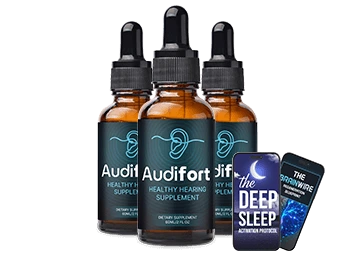
For those seeking a natural, comprehensive approach, products like AudiFort offer a blend of ingredients specifically chosen to support auditory function. AudiFort is formulated with natural extracts known to target inflammation, improve circulation, and protect nerve health, aiming to complement dietary efforts in managing tinnitus symptoms associated with age-related hearing loss. To understand how AudiFort stands out, you might find our comparison of AudiFort with other hearing supplements insightful. Ultimately, a multi-faceted strategy that combines a nutrient-rich diet with healthy lifestyle choices and targeted supplementation provides the most robust path toward managing tinnitus and promoting long-term ear health.
Key Natural Ingredients Supporting Auditory Health
AudiFort incorporates a carefully selected blend of natural ingredients, each chosen for its potential to support auditory health, combat inflammation, and enhance neurological function, which are crucial factors in managing tinnitus and age-related hearing loss.
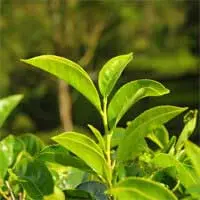
Green Tea
Role: Rich in antioxidants, particularly EGCG, Green Tea helps protect inner ear cells from oxidative stress and inflammation. It also supports healthy blood flow, which is vital for nutrient delivery to auditory structures.
Standardized extract, 100-300mg
Grape Seed
Role: A powerful source of proanthocyanidins, Grape Seed extract is known to improve microcirculation and strengthen blood vessels. This can enhance blood flow to the inner ear, ensuring adequate oxygen and nutrient supply and reducing inflammation.
Standardized extract, 50-200mg
GABA
Role: Gamma-aminobutyric acid (GABA) is a primary inhibitory neurotransmitter in the brain. It plays a role in calming nerve activity and reducing neuronal excitability, which may help modulate the perception of tinnitus and promote relaxation.
50-500mg
Maca Root
Role: An adaptogenic herb, Maca Root helps the body cope with stress, supports energy levels, and promotes overall vitality. While not directly for hearing, its general wellness benefits can indirectly support a body struggling with chronic conditions like tinnitus.
500-1500mg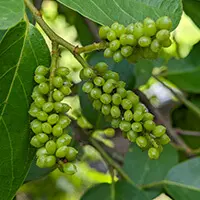
Gymnema Sylvestre
Role: This herb is traditionally used to support healthy blood sugar levels. Given the link between unstable blood sugar and circulatory issues that can impact ear health, Gymnema may indirectly contribute to tinnitus management by promoting metabolic balance.
Standardized extract, 200-400mg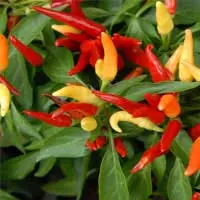
Capsicum Annuum
Role: Derived from chili peppers, Capsicum contains capsaicin, which can support healthy circulation and reduce inflammation. Improved blood flow to the inner ear is essential for its function and can help alleviate symptoms related to poor circulation.
10-50mg
Ready to Take Control of Your Hearing Health?
If you're tired of the persistent ringing and buzzing of tinnitus, and you're looking for a natural way to support your auditory health, AudiFort offers a powerful solution. Specially formulated with a blend of clinically researched ingredients, AudiFort aims to address the root causes of tinnitus and age-related hearing loss, working synergistically with your dietary efforts.
- ✓ Supports healthy inner ear function
- ✓ Reduces inflammation and oxidative stress
- ✓ Promotes healthy blood flow to auditory nerves
- ✓ Enhances cognitive clarity and focus
- ✓ Made with 100% natural, non-GMO ingredients




What Our Customers Are Saying
"AudiFort has been a game-changer for my tinnitus. After years of struggling with constant ringing, I decided to try it alongside dietary changes. The difference is remarkable – the ringing is much quieter, and I can finally focus again. Highly recommend!"
"I was skeptical at first, but AudiFort truly delivered. My age-related hearing issues were getting worse, and the buzzing was unbearable. Combining this supplement with a healthier diet has made a noticeable improvement in my overall ear comfort and clarity. I feel more energetic too!"
"My doctor suggested looking into diet for my tinnitus, and then I found AudiFort. The combination has really helped. The intensity of the ringing has gone down, and I feel less stressed about my hearing. It's truly empowering to find solutions that work naturally." You can read more user experiences on our testimonials page.
Frequently Asked Questions
How does diet directly affect tinnitus symptoms?
+Diet can influence tinnitus by impacting blood flow to the inner ear, modulating inflammation, affecting nerve function, and altering neurotransmitter balance. Foods high in sodium, sugar, or certain stimulants can worsen symptoms, while nutrient-rich, anti-inflammatory diets may provide relief by supporting overall auditory health.
Are there specific nutrients beneficial for ear health and potentially reducing tinnitus?
+Yes, several nutrients are vital for ear health. These include antioxidants (Vitamins C, E, Beta-carotene), Omega-3 fatty acids, magnesium, zinc, and B vitamins (especially B12 and folate). These can help protect against oxidative stress, improve circulation, support nerve function, and reduce inflammation, all of which are relevant to managing tinnitus.
Can supplements like AudiFort complement dietary changes for tinnitus relief?
+While dietary changes are fundamental, supplements like AudiFort can offer targeted support. AudiFort contains a blend of natural ingredients known for their antioxidant, anti-inflammatory, and neuroprotective properties, such as Green Tea, Grape Seed, and GABA. These ingredients are chosen to work synergistically with a healthy diet to support auditory nerve health, improve circulation, and potentially reduce tinnitus severity, especially in cases linked to age-related hearing loss.
How long does it typically take to see dietary changes impact tinnitus symptoms?
+The timeframe for observing improvements from dietary changes can vary significantly among individuals. Some people might notice subtle changes within a few weeks, while for others, it could take several months of consistent adherence to a modified diet. It's often a gradual process, and patience, along with consistent tracking of symptoms, is key.
Is it safe to try an elimination diet to identify tinnitus triggers?
+An elimination diet can be an effective way to identify specific food triggers for tinnitus. However, it should ideally be undertaken with guidance from a healthcare professional or a registered dietitian to ensure it's nutritionally sound and to prevent deficiencies. They can help you safely identify and reintroduce foods while monitoring your symptoms.
What is the role of inflammation in tinnitus, and how does diet influence it?
+Chronic inflammation is increasingly recognized as a significant factor in various health conditions, including tinnitus and age-related hearing loss. Inflammation can damage delicate inner ear structures and nerve pathways. A diet rich in pro-inflammatory foods (e.g., highly processed foods, excessive sugar, unhealthy fats) can exacerbate systemic inflammation, potentially worsening tinnitus. Conversely, an anti-inflammatory diet (rich in fruits, vegetables, whole grains, healthy fats) can help reduce inflammation and support auditory health.
Related Articles