Can Ginkgo Biloba Truly Support Your Hearing Health?
As we age, many aspects of our health begin to shift, and our hearing is no exception. Age-related hearing loss, medically known as presbycusis, affects millions worldwide, gradually diminishing the ability to perceive sounds clearly. This common condition can significantly impact quality of life, making conversations difficult and isolating individuals from their social environments.
In the quest for natural solutions to support auditory function, one ancient herb consistently emerges in discussions: Ginkgo Biloba. Revered for centuries in traditional medicine, Ginkgo is now gaining attention in modern science for its potential role in neurological and circulatory health, leading many to wonder if it offers a natural approach to maintaining auditory vitality. This article delves into the scientific evidence surrounding Ginkgo Biloba and its purported benefits for hearing, particularly in the context of age-related decline.
Understanding Age-Related Hearing Loss (Presbycusis)
Before exploring Ginkgo Biloba's role, it's essential to grasp the nature of age-related hearing loss.
Age-related hearing loss, or presbycusis, is a gradual decline in hearing that occurs as people get older. It's one of the most common chronic conditions affecting older adults, typically beginning after the age of 50. Unlike hearing loss caused by specific injuries or illnesses, presbycusis is often a result of cumulative damage and natural changes within the auditory system over time. The primary characteristic is difficulty hearing high-pitched sounds and understanding speech in noisy environments.
The exact mechanisms of presbycusis are complex and multifactorial. They involve a combination of changes in the inner ear (cochlea), the auditory nerve, and the central auditory processing centers in the brain. Key factors contributing to this decline include:
- Loss of hair cells: The delicate sensory hair cells in the cochlea, which convert sound vibrations into electrical signals, can become damaged or die off with age. Unlike other cells in the body, these hair cells do not regenerate.
- Changes in blood supply: The inner ear is highly metabolically active and requires a robust blood supply. Age-related changes in microcirculation can compromise this supply, leading to oxygen and nutrient deprivation.
- Oxidative stress: Accumulation of free radicals over time can cause oxidative damage to the cells and tissues of the inner ear.
- Inflammation: Chronic low-grade inflammation can also contribute to cellular damage and accelerate the aging process in the auditory system.
- Neural degeneration: The auditory nerve pathways and central processing centers can also undergo age-related changes, affecting how sound signals are transmitted and interpreted by the brain.
💡 Key Takeaway
Age-related hearing loss, or presbycusis, is a complex condition driven by a combination of cellular damage, reduced blood flow, oxidative stress, and neural degeneration in the auditory system. Addressing these underlying factors is key to supporting hearing health.
Ginkgo Biloba: An Ancient Herb with Modern Promise
Ginkgo Biloba is one of the oldest living tree species, with a history spanning over 200 million years. Its leaves have been used for thousands of years in traditional Chinese medicine for various ailments, particularly those related to cognitive function and circulation.
The therapeutic properties of Ginkgo Biloba are primarily attributed to two main groups of active compounds: flavonoid glycosides and terpene lactones (ginkgolides and bilobalide). These compounds work synergistically to exert a range of pharmacological effects that are highly relevant to auditory health. Modern science has focused on standardized extracts of Ginkgo Biloba, often referred to as EGb 761, to ensure consistent potency and efficacy in clinical research.
The Science of Ginkgo and Hearing: How It May Work
The potential benefits of Ginkgo Biloba for hearing health stem from its diverse mechanisms of action, which directly address several factors contributing to age-related hearing decline.
1. Enhanced Blood Flow and Microcirculation
One of the most well-researched effects of Ginkgo Biloba is its ability to improve blood circulation, particularly microcirculation, which is crucial for the delicate structures of the inner ear. The cochlea, home to the sensory hair cells, has one of the highest metabolic rates in the body and relies heavily on a constant supply of oxygen and nutrients delivered via blood flow.Ginkgo's terpene lactones, particularly ginkgolides, are known to dilate blood vessels and reduce blood viscosity, allowing for better flow. By improving blood supply to the inner ear, Ginkgo Biloba may help ensure that the hair cells and auditory nerve receive adequate oxygen and nutrients, potentially protecting them from damage and supporting their function. This improved microcirculation can be vital in counteracting age-related reductions in blood flow that contribute to presbycusis.
2. Potent Antioxidant Properties
The inner ear is highly susceptible to damage from free radicals, which are unstable molecules that can cause oxidative stress. Oxidative stress can damage cell membranes, proteins, and DNA, leading to cellular dysfunction and death, particularly in the sensitive hair cells.Ginkgo Biloba's flavonoid glycosides are powerful antioxidants that can neutralize free radicals. By scavenging these harmful molecules, Ginkgo may help protect the cells of the inner ear from oxidative damage, thereby preserving their integrity and function. This protective effect is particularly important in mitigating the cumulative damage that contributes to age-related hearing loss over decades.
3. Neuroprotection and Auditory Nerve Support
Beyond its circulatory and antioxidant effects, Ginkgo Biloba also exhibits neuroprotective properties. It may help protect neurons (nerve cells) from damage and support their function, which is critical for the auditory nerve and central auditory pathways.Ginkgo has been shown to modulate neurotransmitter systems, enhance neuronal plasticity, and protect nerve cells from various stressors. For hearing, this means it could help maintain the health and efficiency of the auditory nerve, which transmits sound signals from the cochlea to the brain. By supporting neural health, Ginkgo may contribute to better signal transmission and processing, potentially improving overall auditory perception.
4. Anti-inflammatory Effects
Chronic low-grade inflammation is increasingly recognized as a contributing factor to many age-related diseases, including those affecting the auditory system. Inflammation can lead to cellular damage and impede the proper function of inner ear structures.Ginkgo Biloba possesses anti-inflammatory properties, which may help reduce inflammation in the auditory system. By mitigating inflammatory responses, Ginkgo could help protect delicate ear tissues from inflammatory damage, supporting a healthier environment for auditory function. This multifaceted approach makes Ginkgo a compelling candidate for supporting hearing health as we age.
Clinical Research and Evidence
Numerous studies have investigated the effects of Ginkgo Biloba on hearing, with a particular focus on tinnitus (ringing in the ears) and sudden sensorineural hearing loss. While research specifically on age-related hearing loss has been more limited, the findings from related areas offer valuable insights.
Studies on Tinnitus
Many clinical trials have explored Ginkgo Biloba's efficacy in treating tinnitus, especially when it's associated with circulatory issues. Some studies have reported a reduction in the severity and frequency of tinnitus symptoms in patients taking Ginkgo extract, particularly in cases where the tinnitus has a vascular origin. The improved blood flow and neuroprotective effects are thought to play a role here. However, results are mixed, with some studies showing no significant benefit, suggesting that Ginkgo may be more effective for specific types of tinnitus.
Sudden Sensorineural Hearing Loss (SSNHL)
Ginkgo Biloba has also been investigated as an adjunctive treatment for sudden sensorineural hearing loss, a medical emergency characterized by rapid hearing loss, often in one ear. The rationale for its use is based on its ability to improve blood flow and protect against oxidative damage, which are believed to be factors in some cases of SSNHL. Some studies suggest that when used in conjunction with conventional treatments like corticosteroids, Ginkgo may contribute to better recovery rates, although more definitive, large-scale studies are still needed.
Age-Related Hearing Loss (Presbycusis)
Direct studies on Ginkgo Biloba's impact on presbycusis are less common than those on tinnitus. However, the mechanisms of action—improved microcirculation, antioxidant protection, and neuroprotection—are highly relevant to the physiological changes seen in age-related hearing loss. Given that presbycusis involves cumulative damage to inner ear structures and reduced blood flow, Ginkgo's ability to support these areas theoretically makes it a promising candidate for maintaining auditory function. While not a cure, it may help slow the progression or support the health of remaining auditory cells. For more information on holistic approaches, consider reading about natural ways to improve hearing health.
Overall Conclusions from Research
While the evidence for Ginkgo Biloba in hearing health, especially for presbycusis, is not uniformly conclusive across all studies, there is a consistent scientific basis for its mechanisms of action. Many researchers agree that Ginkgo's benefits are most likely to be seen in conditions where vascular insufficiency, oxidative stress, or neuronal damage are significant contributing factors. It is generally considered a supportive supplement rather than a standalone treatment. The quality and standardization of the Ginkgo extract (e.g., EGb 761) are critical for consistent results.
Dosage and Safety Considerations for Ginkgo Biloba
When considering any supplement, understanding appropriate dosage and potential side effects is paramount.
For standardized Ginkgo Biloba extract (EGb 761), common dosages used in studies for cognitive and circulatory support, which align with potential hearing benefits, range from 120 mg to 240 mg per day, typically divided into two or three doses. It's crucial to look for products that specify a standardized extract to ensure you're getting consistent levels of the active compounds (24-27% flavone glycosides and 6% terpene lactones). Starting with a lower dose and gradually increasing it is often recommended.
Ginkgo Biloba is generally well-tolerated by most people. However, some individuals may experience mild side effects such as headaches, dizziness, gastrointestinal upset, or allergic skin reactions. The most significant concern revolves around its potential to interact with medications, particularly those affecting blood clotting. Ginkgo has mild blood-thinning properties and should be used with caution, or avoided, by individuals taking anticoagulant or antiplatelet medications (e.g., warfarin, aspirin, clopidogrel) as it may increase the risk of bleeding. It can also interact with certain antidepressants, diabetes medications, and seizure medications. Always consult your healthcare provider before starting Ginkgo Biloba, especially if you have a bleeding disorder, are pregnant or breastfeeding, or are scheduled for surgery.
Beyond Hearing: Other Potential Benefits of Ginkgo Biloba
While our focus is on hearing, Ginkgo Biloba's extensive research history reveals a spectrum of other potential health advantages, underscoring its broad impact on well-being.
Cognitive Enhancement
Ginkgo is perhaps most famous for its potential to support brain health. It's often used to improve memory, focus, and overall cognitive function, particularly in older adults experiencing age-related cognitive decline. Its ability to enhance cerebral blood flow and provide antioxidant protection to brain cells is believed to be the primary mechanism behind these cognitive benefits.
Improved Peripheral Circulation
Beyond the brain and inner ear, Ginkgo Biloba can improve blood flow throughout the body, including to the extremities. This makes it a popular choice for individuals with peripheral artery disease or Raynaud's phenomenon, where poor circulation leads to discomfort in the hands and feet. Enhanced circulation can improve oxygen and nutrient delivery to tissues, supporting overall vascular health.
Antioxidant Protection
As a powerful antioxidant, Ginkgo Biloba helps combat oxidative stress throughout the body. This general protective effect can reduce cellular damage caused by free radicals, which are implicated in various chronic diseases and the aging process. This broad-spectrum antioxidant activity contributes to overall cellular health and resilience.
Mood and Well-being
Some research suggests that Ginkgo Biloba may have a positive impact on mood and reduce symptoms of anxiety and depression. This could be related to its effects on neurotransmitter systems and its ability to improve blood flow to the brain, which can indirectly influence mental well-being. Individuals experiencing age-related cognitive issues sometimes report an uplift in mood with Ginkgo supplementation.
Factors Contributing to Age-Related Hearing Loss
Oxidative Stress
Accumulation of free radicals damages delicate inner ear hair cells and nerve tissues over time, a major contributor to age-related decline in hearing ability.
Poor Circulation
Reduced blood flow to the cochlea deprives sensory cells of essential oxygen and nutrients, impairing their function and leading to gradual hearing loss.
Chronic Inflammation
Persistent inflammation in the auditory system can cause cellular damage and accelerate the aging process of ear structures, negatively impacting hearing. This is a factor often overlooked but crucial.
Noise Exposure
Long-term exposure to loud noise causes irreversible damage to hair cells, compounding age-related changes and significantly worsening hearing acuity.
Genetic Predisposition
Family history plays a role in susceptibility to presbycusis, indicating that genetic factors can influence the rate and severity of age-related hearing decline.
Metabolic Factors
Conditions like diabetes, hypertension, and cardiovascular disease can impair inner ear function due to their impact on blood vessels and neural health, accelerating hearing loss.
Synergistic Ingredients for Auditory Health: The AudiFort Approach
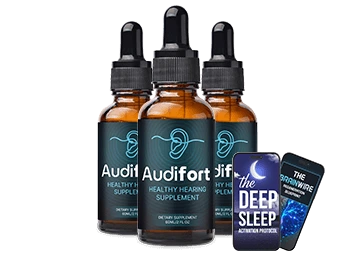
While Ginkgo Biloba offers promising benefits, comprehensive hearing support often involves a blend of ingredients that work together to address multiple facets of auditory health. AudiFort, for instance, utilizes a carefully selected combination of natural compounds, each chosen for its specific role in supporting the intricate mechanisms of hearing.
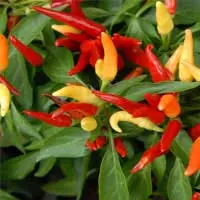
Capsicum Annuum (Cayenne Pepper)
Role: Supports healthy blood circulation. Capsaicin, its active compound, may help dilate blood vessels, ensuring optimal nutrient and oxygen delivery to the inner ear, which is vital for sensory cell health.
50-100 mg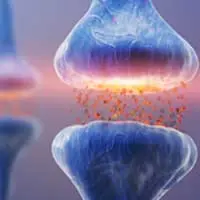
GABA (Gamma-Aminobutyric Acid)
Role: A primary inhibitory neurotransmitter in the brain. GABA plays a crucial role in calming neural activity and may help regulate nerve impulses in the auditory pathway, potentially reducing overstimulation and supporting neural balance.
100-300 mg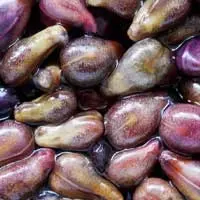
Grape Seed Extract
Role: A potent antioxidant. Rich in proanthocyanidins, grape seed extract helps protect cells from oxidative stress and free radical damage, including the delicate structures of the inner ear. It also supports vascular health.
50-200 mg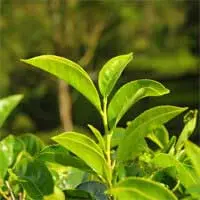
Green Tea Extract
Role: Provides powerful antioxidant and anti-inflammatory benefits. Its catechins, especially EGCG, help protect auditory cells from damage and support overall cellular health and resilience against environmental stressors.
100-500 mg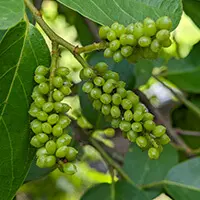
Gymnema Sylvestre
Role: Known for its properties in supporting metabolic health. While primarily studied for blood sugar regulation, a healthy metabolic environment is indirectly crucial for the optimal function and longevity of auditory cells.
200-400 mg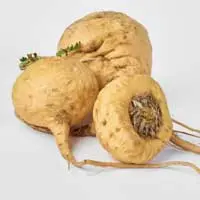
Maca Root
Role: An adaptogen that supports energy, stamina, and overall vitality. While not directly linked to hearing, its general health-boosting properties can contribute to a robust system that is better equipped to maintain auditory function.
500-1500 mgThis blend, found in supplements like AudiFort, is designed to offer a multifaceted approach to auditory health, often complementing the potential benefits of individual ingredients like Ginkgo Biloba by addressing various pathways involved in hearing function. For a detailed comparison of different supplements, you might find our article on AudiFort vs. Silencil insightful.
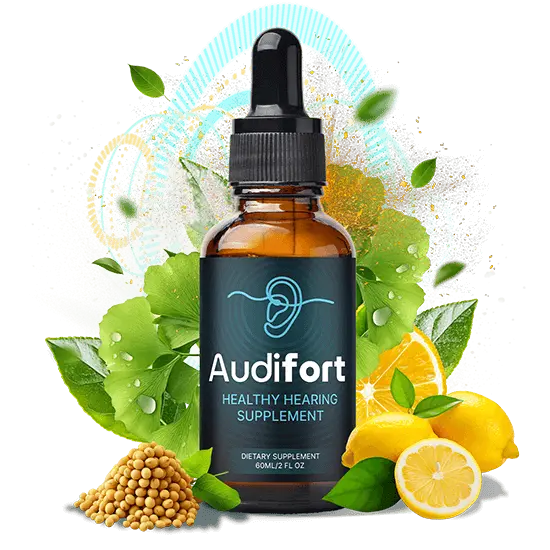
Experience the Difference with AudiFort
If you're seeking a natural and comprehensive solution to support your hearing health, AudiFort offers a meticulously crafted formula designed to address the root causes of age-related hearing decline. Our unique blend of powerful ingredients works synergistically to promote optimal auditory function, enhance clarity, and protect your delicate ear structures.
- ✓ Supports Healthy Blood Flow to the Inner Ear
- ✓ Provides Potent Antioxidant Protection
- ✓ Promotes Healthy Auditory Nerve Function
- ✓ Formulated with 100% Natural Ingredients
- ✓ Made in an FDA-Registered, GMP-Certified Facility




Hear What Our Customers Are Saying
"I was skeptical at first, but after a few months of AudiFort, I've noticed a real difference in my ability to follow conversations, especially in group settings. It's not a miracle, but it truly helps."
"My doctor suggested I look into natural supports for my age-related hearing decline. AudiFort came highly recommended. I feel more confident in social situations now, and the ringing in my ears seems less intrusive."
"I've tried various supplements, but AudiFort is the first one where I've actually felt a noticeable improvement. The clarity of sounds is better, and I don't have to ask people to repeat themselves as often. Highly recommend!"
Frequently Asked Questions
How long does it typically take for Ginkgo Biloba to show potential effects on hearing?
+The timeline for observing potential benefits from Ginkgo Biloba can vary significantly among individuals. While some may notice subtle improvements within a few weeks, most studies suggest that consistent supplementation for at least 8 to 12 weeks is often necessary to evaluate its full effects, particularly concerning circulation and neuroprotection. It's crucial to maintain realistic expectations and understand that Ginkgo is a supportive supplement, not a quick fix for established hearing loss.
Is Ginkgo Biloba effective for all types of hearing loss?
+Ginkgo Biloba's potential benefits are primarily associated with age-related hearing loss (presbycusis) or hearing issues linked to poor circulation, oxidative stress, or inflammation. It is generally not considered effective for sudden hearing loss, conductive hearing loss (due to earwax, fluid, or eardrum damage), or severe sensorineural hearing loss resulting from trauma, infection, or genetic factors. Always consult with an audiologist or ENT specialist to determine the cause of your hearing loss and the most appropriate treatment plan.
Are there any known side effects or interactions when taking Ginkgo Biloba?
+Ginkgo Biloba is generally well-tolerated, but some individuals may experience mild side effects such as headache, dizziness, upset stomach, or allergic skin reactions. A more significant concern is its potential to interact with certain medications, particularly blood thinners (anticoagulants like warfarin), antiplatelet drugs (like aspirin), and NSAIDs, increasing the risk of bleeding. It can also interact with antidepressants, diabetes medications, and seizure medications. Always consult your doctor or pharmacist before starting Ginkgo Biloba, especially if you are on any prescribed medications or have underlying health conditions.
Can Ginkgo Biloba replace hearing aids or other medical treatments for hearing loss?
+No, Ginkgo Biloba is a dietary supplement and should not be considered a replacement for prescribed medical treatments or hearing aids for hearing loss. While it may offer supportive benefits by addressing underlying factors like circulation and oxidative stress, it cannot restore lost hearing or compensate for significant auditory damage. Hearing aids amplify sound and are often the most effective solution for moderate to severe hearing loss. Ginkgo Biloba can be part of a holistic approach to hearing health, but always under the guidance of a healthcare professional.
What is the recommended dosage of Ginkgo Biloba for hearing support?
+Standardized Ginkgo Biloba extract (often labeled EGb 761) is typically used in studies. Common dosages range from 120 mg to 240 mg per day, divided into two or three doses. It's important to choose a high-quality, standardized extract to ensure consistency in active compounds (flavone glycosides and terpene lactones). However, specific dosage recommendations can vary based on individual needs and product formulations. Always follow the instructions on the supplement label or consult with a healthcare professional for personalized advice.
How does AudiFort relate to Ginkgo Biloba for overall hearing health?
+While this article focuses on the scientific merits of Ginkgo Biloba, AudiFort is a comprehensive dietary supplement designed to support auditory health through a blend of natural ingredients. AudiFort's formula is specifically crafted to address various aspects of hearing well-being, including promoting healthy blood flow, providing antioxidant protection, and supporting nerve function. While Ginkgo Biloba is a renowned herb, AudiFort offers a unique synergistic blend of other well-researched botanicals and nutrients to provide holistic support for those experiencing age-related hearing decline. You can explore AudiFort's specific ingredient profile on our official website.
Related Articles