Can You Really Improve Your Hearing Health Naturally?
For many, the thought of hearing loss brings with it a sense of inevitability, a natural part of aging that simply must be accepted. However, mounting research suggests that while some forms of hearing impairment are indeed irreversible, a significant portion of hearing decline can be prevented, slowed, or even improved through natural, proactive measures. This isn't about magical cures, but rather empowering your body's inherent ability to maintain and protect its delicate auditory system.
Our auditory system is incredibly complex, relying on a symphony of tiny hair cells, nerve pathways, and brain regions to process sound. Just like any other part of our body, it thrives on proper nutrition, regular stimulation, and a protective environment. By adopting specific dietary habits, engaging in targeted exercises, and making mindful lifestyle choices, you can significantly support your hearing health. This article delves deep into these strategies, offering practical advice and exploring how a comprehensive approach, including supportive supplements like AudiFort, can play a vital role in your journey towards clearer hearing.
The Silent Epidemic: Understanding Hearing Loss and Its Impact
Hearing loss is more than just difficulty hearing; it profoundly impacts quality of life, cognitive function, and social interaction. Recognizing its nuances is the first step towards effective management and prevention.
Hearing loss is a global health challenge affecting millions, yet it often goes unaddressed until it significantly impacts daily life. It's not merely about turning up the volume; it encompasses a spectrum of challenges from difficulty understanding conversations in noisy environments to the constant presence of tinnitus. Medically, hearing loss is broadly categorized into two main types: sensorineural hearing loss (SNHL) and conductive hearing loss. SNHL, the most common type, occurs when there is damage to the inner ear (cochlea) or the nerve pathways from the inner ear to the brain. This damage is often irreversible and can be caused by aging (presbycusis), prolonged exposure to loud noise, genetic factors, certain illnesses, or ototoxic medications. Conductive hearing loss, on the other hand, involves problems with the outer or middle ear that prevent sound from reaching the inner ear, often due to earwax blockage, fluid in the middle ear, or a perforated eardrum. This type can often be medically or surgically corrected.
The impact of unaddressed hearing loss extends far beyond communication difficulties. Research has linked it to a higher risk of **cognitive decline, dementia, depression, anxiety, and social isolation**. The brain works harder to process incomplete auditory information, diverting resources from other cognitive functions. This constant strain can lead to mental fatigue and withdrawal from social situations, further exacerbating the problem. Early detection and intervention are crucial, not only for preserving hearing but for maintaining overall well-being. While some causes are beyond our control, a significant portion of hearing decline, particularly SNHL related to aging and noise, is influenced by modifiable factors. This is where a natural, proactive approach becomes incredibly powerful, offering strategies to protect and support your auditory system before significant damage occurs.
Understanding the underlying causes empowers us to take preventative steps. For instance, chronic exposure to excessive noise is a leading cause of SNHL, damaging the delicate hair cells in the cochlea. Similarly, poor circulation, inflammation, and oxidative stress can impair the function of these cells and the auditory nerve. Nutritional deficiencies also play a significant role, depriving the ear of vital compounds needed for repair and protection. By addressing these modifiable risk factors through diet, exercise, and lifestyle changes, we can create an environment conducive to optimal hearing health and potentially slow the progression of age-related hearing loss. This holistic perspective is key to understanding how to improve hearing health naturally and maintain it for years to come.
💡 Key Takeaway
Hearing loss, particularly sensorineural, is a complex condition with far-reaching impacts on health and cognition. While some aspects are irreversible, a substantial portion of hearing decline is preventable and manageable through proactive, natural strategies focusing on nutrition, lifestyle, and protection.
Fueling Your Ears: Essential Vitamins and Minerals for Hearing Health
Your ears, much like the rest of your body, depend on a steady supply of specific nutrients to function optimally, protect against damage, and support the intricate processes of sound perception.
Magnesium
Magnesium is a vital mineral known for its neuroprotective properties and its role in improving blood flow. Studies suggest that adequate magnesium intake can offer significant protection against noise-induced hearing loss by counteracting the vasoconstriction (narrowing of blood vessels) and free radical formation that occurs during loud noise exposure. It helps maintain the health of the delicate hair cells in the cochlea, which are crucial for converting sound vibrations into electrical signals.
Zinc
Zinc is a powerful antioxidant and immune-boosting mineral found in high concentrations in the inner ear. It plays a crucial role in immune function, wound healing, and cell growth, all of which are important for maintaining auditory health. Some research indicates that zinc supplementation may be beneficial for individuals experiencing tinnitus, a common symptom associated with hearing loss, by supporting the inner ear's ability to repair itself and reduce inflammation.
B Vitamins (B9, B12, B6)
The B-vitamin complex, particularly Folic Acid (B9) and Vitamin B12, are essential for nerve health and cellular metabolism. Deficiencies in these vitamins have been linked to age-related hearing loss and tinnitus. B vitamins help reduce homocysteine levels, an amino acid whose elevated levels are associated with poor circulation and increased risk of hearing impairment. They are crucial for maintaining the integrity of the auditory nerve and supporting neurotransmitter function.
Antioxidants (Vitamins C & E, Alpha Lipoic Acid)
Oxidative stress, caused by an imbalance between free radicals and antioxidants, can damage the delicate hair cells and nerve structures in the inner ear. Vitamins C and E are potent antioxidants that work synergistically to neutralize free radicals, protecting auditory cells from damage. Alpha Lipoic Acid, another powerful antioxidant, further enhances this protection and can regenerate other antioxidants in the body, offering comprehensive defense against cellular degradation.
Omega-3 Fatty Acids
Found abundantly in fish oil, Omega-3 fatty acids (EPA and DHA) are renowned for their anti-inflammatory properties and their ability to improve cardiovascular health. Better blood flow to the inner ear is critical for hearing function, as the cochlea relies on a robust blood supply. Regular intake of Omega-3s can reduce inflammation throughout the body, including the auditory system, potentially slowing age-related hearing decline and supporting overall ear health.
Vitamin D
Vitamin D plays a critical role in bone health, including the tiny ossicles (malleus, incus, stapes) in the middle ear that transmit sound vibrations. A deficiency in Vitamin D can impact the health of these bones and potentially contribute to conditions like otosclerosis, which can cause conductive hearing loss. Beyond bone health, Vitamin D also has immunomodulatory effects, contributing to overall systemic health that indirectly supports auditory function.
Sharpening Your Senses: Auditory Exercises for Brain & Ear
Just as physical exercise strengthens muscles, targeted auditory exercises can enhance the brain's ability to process sound, improving clarity and discrimination, especially in challenging listening environments.
While ear structures are delicate and not directly "exercisable" in the traditional sense, your brain's auditory processing centers are highly adaptable and can be trained. These exercises don't physically restore damaged hair cells, but they significantly improve how your brain interprets and makes sense of the sounds it receives. This is crucial for improving speech comprehension, reducing listening fatigue, and enhancing overall auditory awareness. The concept is similar to how physical therapy helps individuals regain motor skills after an injury; auditory training helps the brain relearn how to efficiently process sound.
One effective category of auditory exercises involves sound discrimination tasks. This means actively trying to distinguish between similar sounds, such as different musical instruments, speech sounds (e.g., "pat" vs. "bat"), or environmental noises. There are numerous apps and online programs designed specifically for auditory training that can guide you through these exercises, progressively increasing the difficulty. Regular practice helps the brain become more adept at identifying subtle differences in pitch, tone, and rhythm, which are vital for understanding complex speech.
Another powerful technique is focusing on active listening in noisy environments. Instead of letting background noise overwhelm you, consciously try to isolate and follow a single conversation or sound source. Start in moderately noisy settings and gradually increase the challenge. This trains your brain's "filtering" mechanism, improving your ability to focus on relevant sounds while suppressing distractions. Mindfulness practices, such as dedicating a few minutes each day to simply listening to all the sounds around you, without judgment, can also enhance auditory awareness and reduce the stress associated with hearing difficulties. Consistency is key; just like building physical strength, auditory training requires regular engagement to yield lasting benefits.
Beyond direct auditory training, engaging in mentally stimulating activities like learning a new language, playing musical instruments, or solving puzzles can indirectly support auditory health. These activities boost cognitive function, which is intrinsically linked to how well our brains process sound. Improving overall brain health creates a more robust foundation for auditory processing. Combining these brain-boosting efforts with nutritional support and protective lifestyle choices creates a synergistic effect, maximizing your potential for improved hearing clarity and resilience. For those seeking a targeted solution, exploring options like the best hearing health supplement can offer additional support.
💡 Key Takeaway
Auditory exercises train the brain to better process and interpret sounds, improving clarity and discrimination. Techniques like sound discrimination, active listening in noise, and cognitive stimulation can significantly enhance auditory function and reduce listening fatigue.
A Holistic Approach: Lifestyle Tips for Optimal Hearing Health
Beyond diet and specific exercises, your daily habits significantly impact your long-term hearing wellness. Adopting a holistic approach to lifestyle can offer profound protection and support for your auditory system.
Protect Against Noise Exposure
This is arguably the most critical lifestyle change. Prolonged or intense exposure to loud noises (above 85 decibels) is a leading cause of permanent sensorineural hearing loss. Always use earplugs or noise-canceling headphones in noisy environments like concerts, construction sites, or when using power tools. Limit your time in loud settings and take regular "quiet breaks" to allow your ears to recover. Be mindful of headphone volume when listening to music.
Regular Physical Activity
Engaging in regular exercise, such as brisk walking, jogging, cycling, or swimming, significantly improves blood circulation throughout the body, including the delicate blood vessels of the inner ear. Good blood flow ensures that the hair cells and auditory nerves receive a steady supply of oxygen and nutrients, which are essential for their health and function. Exercise also helps manage conditions like high blood pressure and diabetes, both of which are risk factors for hearing loss.
Stay Hydrated
Water is essential for every bodily function, and the inner ear is no exception. Proper hydration helps maintain the fluid balance within the cochlea, which is crucial for the transmission of sound signals. Dehydration can lead to changes in this fluid, potentially affecting hearing clarity and contributing to issues like dizziness or tinnitus. Aim for at least 8 glasses of water daily, and more if you are active or in a hot climate.
Manage Stress Effectively
Chronic stress can have a detrimental impact on overall health, including hearing. Stress can cause muscle tension, reduce blood flow, and trigger inflammatory responses, all of which can exacerbate conditions like tinnitus or contribute to hearing sensitivity. Incorporate stress-reducing activities into your daily routine such as meditation, yoga, deep breathing exercises, spending time in nature, or engaging in hobbies you enjoy.
Avoid Ototoxic Medications & Smoking
Certain medications are known to be ototoxic, meaning they can damage the inner ear and cause temporary or permanent hearing loss or tinnitus. These include some antibiotics, chemotherapy drugs, and even high doses of aspirin or NSAIDs. Always discuss potential side effects with your doctor. Additionally, smoking significantly impairs blood flow and introduces harmful toxins into the body, both of which are detrimental to auditory health and can accelerate hearing decline.
Prioritize Quality Sleep
Adequate and restorative sleep is crucial for the body's repair and recovery processes, including those in the auditory system. Poor sleep can contribute to increased inflammation, stress, and impaired cognitive function, all of which can negatively impact hearing. Aim for 7-9 hours of quality sleep per night to give your body and ears the chance to rejuvenate. Establishing a consistent sleep schedule and creating a relaxing bedtime routine can help.
Bridging the Gap: How Supplements Can Support Your Hearing Journey
Even with the most balanced diet and diligent lifestyle, modern living can make it challenging to obtain all the necessary nutrients for optimal hearing health. This is where targeted supplementation can play a supportive role.
While the foundation of natural hearing health lies in a nutrient-rich diet and protective lifestyle, the reality is that many individuals struggle to consistently meet their nutritional needs. Soil depletion, food processing, and individual dietary restrictions can all contribute to nutrient gaps. Furthermore, the specific demands of the auditory system, which is constantly exposed to environmental stressors like noise and pollution, may require higher levels of certain protective compounds than can be easily obtained through diet alone. This is particularly true for antioxidants and anti-inflammatory agents that combat the oxidative stress and inflammation often implicated in age-related hearing loss and tinnitus.
Targeted dietary supplements are designed to bridge these nutritional gaps, providing concentrated doses of vitamins, minerals, and plant extracts known to support auditory function. They can act as a powerful adjunct to a healthy lifestyle, offering an extra layer of defense for the delicate structures of the inner ear and the complex neural pathways involved in hearing. The goal is not to replace healthy habits but to enhance their effectiveness, giving your body the best possible chance to maintain and even improve its hearing capacity over time. Many individuals have shared their journeys and the positive impact of these approaches; you can read more about AudiFort reviews and real results to understand the potential benefits.
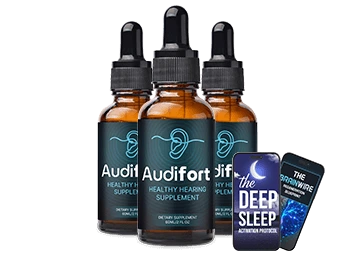
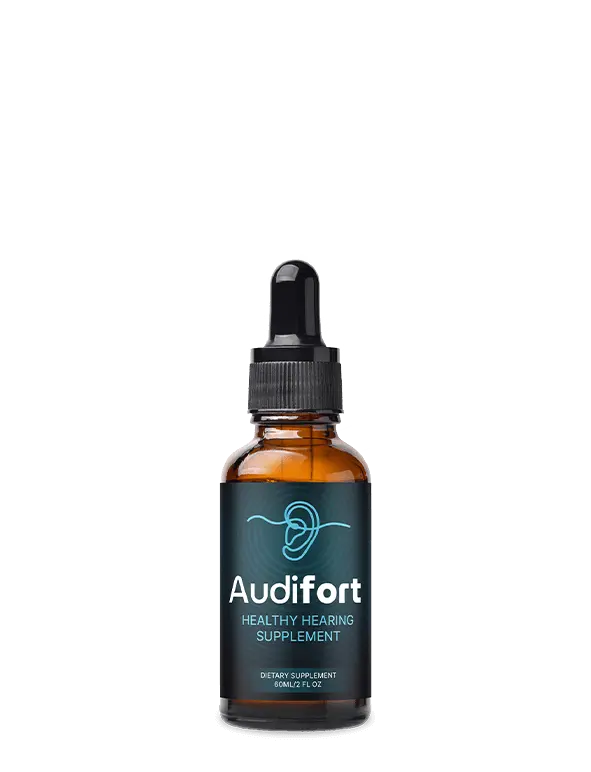
Among the myriad of supplements available, AudiFort stands out as a carefully formulated, all-natural solution designed specifically to support hearing health. Developed by experts in audiological research, AudiFort combines a potent blend of scientifically-backed ingredients known for their roles in protecting the inner ear, enhancing nerve function, and combating the root causes of hearing decline. It's crafted to work synergistically with your body's natural processes, offering comprehensive support for clearer, sharper hearing. By integrating a high-quality supplement like AudiFort into your daily routine, alongside the dietary and lifestyle recommendations discussed, you can take a proactive and powerful step towards safeguarding your precious sense of sound for years to come.
AudiFort: A Natural Approach to Comprehensive Hearing Support
AudiFort is formulated with a powerful blend of natural ingredients, each carefully selected for its scientifically-backed role in supporting auditory health and protecting against common causes of hearing decline.

Ginkgo Biloba
Role: Known for its ability to improve blood circulation, particularly to the brain and inner ear. Enhanced blood flow ensures that auditory cells receive adequate oxygen and nutrients, which is crucial for optimal function and protection against damage. It also possesses antioxidant properties.
Standardized Extract (24% Flavone Glycosides)
Magnesium
Role: A critical mineral that offers neuroprotection and helps protect against noise-induced hearing loss by reducing vasoconstriction and free radical damage in the inner ear. It is vital for maintaining the health of cochlear hair cells and supporting nerve transmission.
200-400 mg elemental magnesium
Zinc
Role: An essential trace mineral with strong antioxidant and immune-modulating properties. It plays a role in the repair mechanisms of the inner ear and has been studied for its potential to alleviate tinnitus symptoms, particularly in individuals with zinc deficiency.
15-30 mg elemental zinc
B-Complex Vitamins (B9, B12, B6)
Role: Crucial for nerve health and cellular energy production. Specifically, Folic Acid (B9) and Vitamin B12 help reduce homocysteine levels, which are linked to cardiovascular disease and hearing loss. They support the health of the auditory nerve and neurotransmitter function, ensuring clear signal transmission.
RDA for each B vitamin
Resveratrol
Role: A potent antioxidant and anti-inflammatory compound found in red grapes and berries. Resveratrol protects the delicate cells of the inner ear from oxidative damage and inflammation, which are key contributors to age-related hearing decline and noise-induced damage.
100-250 mg trans-resveratrol
N-Acetyl Cysteine (NAC)
Role: A powerful antioxidant and precursor to glutathione, the body's master antioxidant. NAC is highly effective in neutralizing free radicals and has shown promise in protecting against noise-induced hearing damage when taken before or after exposure, by reducing oxidative stress in the cochlea.
600-1200 mg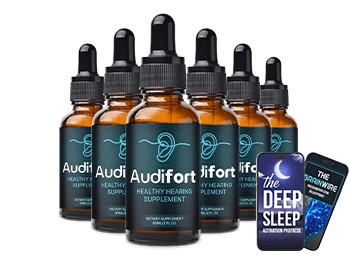
Take the First Step Towards Better Hearing Today
Reclaim clarity and enjoy the sounds of life with AudiFort, a natural formula designed to support and protect your auditory health. Its powerful blend of ingredients works synergistically to nourish your inner ear, enhance nerve function, and combat oxidative stress, helping you experience a world of sound with renewed vitality.
- Supports Healthy Inner Ear Function
- Protects Against Environmental Damage
- Enhances Auditory Nerve Communication
- Promotes Overall Brain Health & Clarity
- Made with 100% Natural, Non-GMO Ingredients




Real Stories, Real Results: What Our Customers Say
"I've tried everything for my buzzing ears, but nothing worked until AudiFort. The constant ringing has reduced significantly, and I feel so much calmer. It's truly life-changing!"
"My hearing felt dull and muffled, especially in crowded places. After a few months on AudiFort, I can follow conversations much better, and the world just sounds clearer. Highly recommend!"
"As an older adult, I was worried about my declining hearing. AudiFort has given me hope. My audiologist even noted an improvement in my baseline tests. I'm thrilled with the progress!"
Frequently Asked Questions
What causes natural hearing decline?
+Natural hearing decline, often age-related (presbycusis), is primarily caused by damage to the tiny hair cells in the inner ear over time. Factors like chronic noise exposure, genetics, poor circulation, oxidative stress, and certain medical conditions can accelerate this process. Nutritional deficiencies and inflammation also play a significant role in the health of auditory pathways.
Can vitamins truly improve hearing, or just prevent loss?
+While vitamins cannot reverse severe, established hearing loss, they can play a crucial role in preventing further decline and supporting existing auditory function. Antioxidant vitamins (C, E, Alpha Lipoic Acid) protect against oxidative damage, B vitamins support nerve health, and minerals like magnesium and zinc are vital for inner ear protection and function. A comprehensive approach often shows the best results.
Are there specific exercises that help improve hearing?
+Yes, auditory exercises don't directly improve the physical ear, but they strengthen the brain's ability to process and interpret sounds. These include sound discrimination tasks, listening games, focusing on specific sounds in noisy environments, and mindfulness exercises. Regular physical exercise also indirectly benefits hearing by improving blood circulation to the inner ear.
How does lifestyle impact hearing health?
+Lifestyle choices significantly impact hearing. Protecting your ears from excessive noise, managing stress, maintaining a healthy diet rich in antioxidants, staying hydrated, getting adequate sleep, and avoiding smoking and excessive alcohol intake all contribute to optimal auditory health. These habits reduce inflammation, improve blood flow, and protect delicate ear structures.
Is AudiFort a permanent cure for hearing loss?
+AudiFort is a natural dietary supplement formulated to support and enhance existing hearing health, and to help protect against future decline. It is not a "cure" for hearing loss, especially for severe or irreversible conditions. However, many users report significant improvements in clarity, reduced tinnitus, and overall auditory comfort when used consistently as part of a healthy lifestyle.
How long does it take to see results with AudiFort?
+Individual results with AudiFort can vary based on the severity of existing conditions, consistency of use, and overall lifestyle. While some users may notice subtle improvements within a few weeks, the most significant benefits are typically observed after 3 to 6 months of consistent use. This allows the natural ingredients to build up in the system and exert their full supportive effects on auditory health.
Related Articles