Are you aware of the silent damage stress might be doing to your hearing?
In our fast-paced world, stress has become an unwelcome constant, silently eroding our well-being in countless ways. While its impact on heart health, mental clarity, and sleep is well-documented, fewer people recognize the profound connection between chronic stress and auditory health – particularly its role in exacerbating age-related hearing loss and tinnitus.
Imagine a life where the world's sounds become muffled, distorted, or constantly accompanied by a persistent ringing. This isn't just an inconvenience; it's a significant barrier to connection and quality of life. Understanding this intricate relationship is the first step towards protecting one of your most vital senses, as stress can actively accelerate auditory decline and intensify tinnitus symptoms.
The Silent Saboteur: How Stress Impacts Your Body and Hearing
Stress isn't merely a feeling; it's a complex physiological response that can ripple through every system in your body, including your delicate auditory system. Understanding this process is key to grasping its impact on hearing and tinnitus.
When you encounter a stressful situation, your body activates its "fight or flight" response. This ancient survival mechanism triggers the release of hormones like cortisol and adrenaline. While essential for acute threats, chronic exposure to these hormones can have detrimental long-term effects. High cortisol levels can lead to systemic inflammation, constricted blood vessels, and increased oxidative stress throughout the body. These effects are particularly damaging to sensitive structures like the inner ear.
The inner ear, home to the cochlea and its thousands of tiny hair cells responsible for converting sound vibrations into electrical signals, relies on a rich, uninterrupted blood supply. Chronic stress can compromise this by causing blood vessels to constrict, reducing the oxygen and nutrient flow to these vital cells. Over time, this deprivation can lead to irreversible damage and accelerate age-related hearing decline.
Beyond the physical, stress also impacts neurological pathways. It can alter brain chemistry, affecting neurotransmitters and neural networks involved in auditory processing. This can make the brain more susceptible to noise damage, reduce its ability to filter out background noise, and heighten the perception of internal sounds like tinnitus. The cumulative effect is a decline in overall auditory function, making it harder to hear clearly and process sounds effectively.
💡 Key Takeaway
Chronic stress triggers a cascade of physiological responses, including elevated cortisol, inflammation, and reduced blood flow. These factors can directly damage the delicate structures of the inner ear and alter brain's auditory processing, accelerating hearing loss and intensifying tinnitus.
Stress, Tinnitus, and the Brain's Perception of Sound
For millions, tinnitus is a constant companion – a phantom ringing, buzzing, or hissing sound in the ears. While often associated with hearing loss, stress plays a significant role in its onset, persistence, and perceived severity.
The relationship between stress and tinnitus is a two-way street. Tinnitus itself can be a significant source of stress, anxiety, and depression, creating a vicious cycle. The brain, under stress, becomes less efficient at filtering out irrelevant sensory information. This means that the neural activity associated with tinnitus, which might otherwise be ignored, becomes amplified and more intrusive. Stress hormones can directly influence the neural pathways in the auditory cortex, making the brain more sensitive to the internal "noise" of tinnitus.
Research suggests that individuals experiencing high levels of stress or anxiety are more likely to develop tinnitus or experience a worsening of existing symptoms. The heightened state of vigilance associated with stress makes it harder for the brain to habituate to the tinnitus sound, preventing it from fading into the background. Instead, the sound remains at the forefront of consciousness, causing further distress and reinforcing the stress response.
Moreover, stress can indirectly affect tinnitus by disrupting sleep patterns. Lack of restorative sleep can increase irritability and anxiety, further lowering the threshold for tolerating tinnitus and making it feel even louder and more bothersome. Addressing stress is therefore a critical component of managing tinnitus effectively.

Age-Related Hearing Loss (Presbycusis) and the Stress Factor
Age-related hearing loss, or presbycusis, is a natural part of aging, affecting millions worldwide. However, chronic stress isn't just an independent risk factor; it can significantly accelerate and exacerbate this natural decline.
As we age, the delicate hair cells in the cochlea naturally begin to deteriorate. This process is influenced by genetics, noise exposure, and overall health. When chronic stress is introduced into this equation, it acts as an accelerant. The persistent inflammation, reduced blood flow, and oxidative stress induced by high cortisol levels further compromise the health and function of these already vulnerable hair cells and auditory nerve fibers. This means that individuals experiencing high levels of stress may experience the onset of presbycusis earlier or a more rapid progression of their hearing loss.
Furthermore, stress can impair cognitive function, including the brain's ability to process sound. Even with mild hearing loss, the brain has to work harder to interpret auditory information. When compounded by stress-induced cognitive fatigue or "brain fog," this effort can become overwhelming, leading to increased listening effort, mental exhaustion, and a perception of greater hearing difficulty than audiometric tests might indicate. This often results in social withdrawal and reduced quality of life, which in turn can lead to more stress and isolation.
Protecting your hearing as you age, therefore, involves not just avoiding loud noises and regular check-ups, but also proactively managing your stress levels. For more natural ways to support your hearing health, you might find useful information in our article on Natural Hearing Health Relief Remedies, which discusses various holistic approaches.
Recognizing the Signs: Is Stress Impacting Your Hearing?
The effects of stress on hearing can be subtle at first, making them easy to dismiss. However, recognizing these signs early can be crucial for intervention and preserving your auditory health.
Increased Tinnitus Perception
If you already experience tinnitus, stress is likely to make it louder, more frequent, or more bothersome. For those without prior tinnitus, periods of intense stress might trigger temporary or persistent ringing in the ears.
Difficulty Understanding Speech
You might find it harder to follow conversations, especially in noisy environments. This isn't always about volume; it's often about the brain's ability to process and differentiate sounds, which stress can impair.
Heightened Sensitivity to Sound (Hyperacusis)
Some individuals under stress report that everyday sounds feel uncomfortably loud or even painful. This increased sensitivity can be a sign of an overactive auditory system, potentially exacerbated by stress.
Sudden Hearing Changes
While rare, extreme stress has been linked to sudden sensorineural hearing loss (SSNHL) in some cases. Any sudden, unexplained drop in hearing should be considered a medical emergency and requires immediate attention.
Auditory Fatigue
Feeling unusually tired after listening or conversing, even for short periods, can be a sign. Your brain is expending more energy to compensate for stress-induced auditory processing difficulties.
Strategies for Managing Stress to Protect Your Hearing
Taking proactive steps to manage stress is not only beneficial for your overall health but also a crucial investment in your long-term auditory well-being.
Mindfulness & Meditation
Regular practice of mindfulness or meditation can significantly reduce stress hormones and improve your brain's ability to cope with stressors. Even a few minutes a day can make a difference in your perception of tinnitus and overall mental calm.
Regular Physical Activity
Exercise is a powerful stress reliever. It helps reduce cortisol levels, improves blood circulation (including to the inner ear), and releases endorphins, which have mood-boosting effects. Aim for at least 30 minutes of moderate activity most days of the week.
Balanced Nutrition
A diet rich in antioxidants, vitamins, and minerals supports overall health, including auditory function. Avoiding excessive caffeine and sugar can also help stabilize mood and reduce anxiety, indirectly benefiting hearing and tinnitus. For more, check out our guide on Best Foods for Hearing Health.
Adequate Sleep
Sleep deprivation amplifies stress and can worsen tinnitus. Prioritize 7-9 hours of quality sleep per night. Establish a consistent sleep schedule and create a relaxing bedtime routine to improve sleep hygiene.
Social Connection & Support
Connecting with others, sharing experiences, and seeking support from friends, family, or support groups can reduce feelings of isolation and stress. Strong social bonds are a buffer against the negative impacts of stress.
Professional Guidance
If stress feels overwhelming or unmanageable, don't hesitate to seek help from a therapist, counselor, or doctor. Cognitive Behavioral Therapy (CBT) and other stress management techniques can be highly effective.
Nutritional Support for Auditory Health: A Complementary Approach
While lifestyle changes are paramount, certain nutrients can provide additional support for your auditory system, helping it withstand the pressures of aging and stress.
A diet rich in antioxidants, such as vitamins C and E, beta-carotene, and selenium, helps combat oxidative stress, which is a key contributor to age-related hearing loss and damage from inflammation. B vitamins, particularly B12 and folate, are crucial for nerve health and can play a role in supporting auditory nerve function. Magnesium is another vital mineral that aids in protecting the delicate hair cells in the inner ear and supporting healthy blood flow.
These nutrients work synergistically to protect against cellular damage, support neurotransmitter function, and ensure efficient blood circulation to the inner ear. Incorporating a variety of colorful fruits, vegetables, whole grains, and lean proteins into your diet is a great start. However, due to modern farming practices and individual dietary restrictions, it can sometimes be challenging to obtain optimal levels of all necessary nutrients through diet alone.
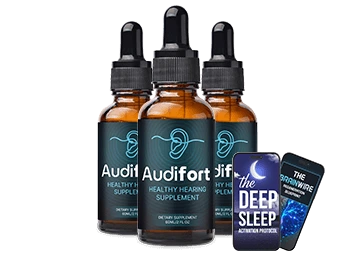
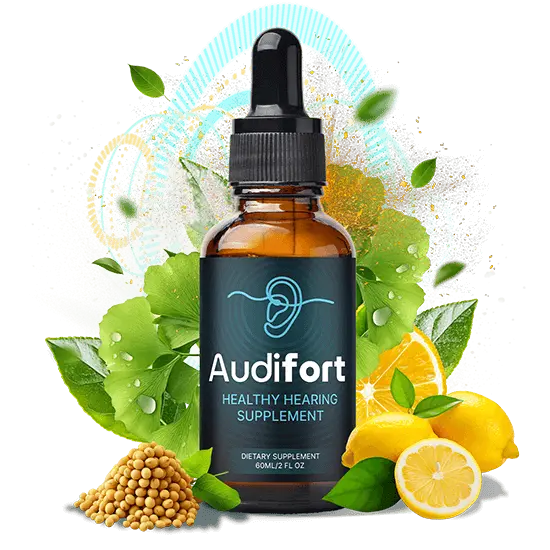
This is where targeted nutritional supplements can play a supportive role. Formulations designed specifically for auditory health often combine these beneficial ingredients to provide comprehensive support, complementing a healthy lifestyle and stress management practices. For instance, supplements like AudiFort are developed with a blend of natural compounds aimed at nurturing the auditory system and enhancing the body's natural resilience against environmental and age-related stressors, including those intensified by chronic stress. You can also read more about real user experiences with such supplements on our AudiFort Reviews: Real Results page.
AudiFort: A Natural Approach to Auditory Wellness
AudiFort is a natural dietary supplement formulated to support hearing health, especially in the face of age-related decline and the pervasive effects of stress. It combines a blend of potent ingredients, each selected for its scientifically recognized role in promoting auditory well-being.

Capsicum Annuum (Cayenne Pepper)
Role: Known for its circulatory benefits, Capsicum Annuum may help improve blood flow to the inner ear, ensuring optimal oxygen and nutrient delivery to delicate auditory cells. It also contains capsaicin, which has anti-inflammatory properties.
Typical dose: 25-50mg extract
GABA (Gamma-Aminobutyric Acid)
Role: As a primary inhibitory neurotransmitter, GABA plays a crucial role in calming brain activity. It can help reduce overstimulation in the auditory cortex, potentially alleviating the perception of tinnitus and stress-induced auditory hypersensitivity.
Typical dose: 100-200mg
Grape Seed Extract
Role: A powerhouse of antioxidants, particularly proanthocyanidins. Grape Seed Extract protects the inner ear from oxidative damage caused by free radicals and inflammation, which are exacerbated by chronic stress and aging.
Typical dose: 50-100mg extract
Green Tea Extract
Role: Rich in polyphenols, especially EGCG, Green Tea Extract offers robust antioxidant and anti-inflammatory properties. It helps protect auditory hair cells from damage and supports overall cellular health, potentially mitigating stress effects.
Typical dose: 100-200mg extract
Gymnema Sylvestre
Role: Traditionally used for various health benefits, Gymnema Sylvestre may contribute to overall metabolic health, which indirectly supports neurological and circulatory function vital for hearing, especially in the context of stress-induced imbalances.
Typical dose: 50-100mg extract
Maca Root
Role: An adaptogen, Maca Root helps the body adapt to stress, potentially reducing the impact of cortisol on the auditory system. It also provides essential nutrients that support energy levels and overall vitality, crucial for combating stress fatigue.
Typical dose: 100-200mg extractBy combining these powerful ingredients, AudiFort aims to provide comprehensive support for your auditory system, helping to nourish the inner ear, protect against oxidative stress, enhance circulation, and promote a calmer neurological environment. While not a cure for hearing loss or tinnitus, it offers a natural, complementary pathway to support your hearing health and overall well-being, especially when navigating the challenges of stress and aging.
Ready to Reclaim Your Auditory Clarity and Inner Peace?
Don't let the silent burden of stress and age-related decline diminish your ability to experience the world's sounds. AudiFort offers a natural, scientifically-backed approach to support your hearing health and reduce the impact of stress on your auditory system.
- ✓ Supports healthy blood flow to the inner ear
- ✓ Protects delicate auditory cells from oxidative stress
- ✓ Helps reduce the perception of tinnitus
- ✓ Promotes neural calm and cognitive clarity
- ✓ Made with 100% natural, plant-based ingredients




What Our Customers Are Saying
"I was skeptical at first, but after a few weeks of taking AudiFort, I noticed a significant difference in my tinnitus. The constant ringing used to drive me crazy, especially when I was stressed. Now it's much more manageable, and I feel calmer overall."
"My hearing had started to decline with age, and stressful periods seemed to make it worse. AudiFort was recommended by a friend, and I'm so glad I tried it. I feel my hearing is sharper, and I can follow conversations better. It's truly helped improve my quality of life."
"As someone who works in a high-stress environment, I've always worried about my hearing. Since starting AudiFort, I feel a renewed sense of clarity. The subtle improvements are noticeable, and I appreciate having a natural way to support my ears."
Frequently Asked Questions
Can stress directly cause hearing loss?
+While stress itself isn't typically a direct cause of permanent hearing loss, chronic stress can significantly exacerbate existing conditions like age-related hearing loss and tinnitus. It can impair blood flow to the inner ear, increase inflammation, and heighten the brain's perception of auditory symptoms, potentially accelerating decline or making symptoms feel more severe.
How does stress make tinnitus worse?
+Stress amplifies tinnitus by activating the body's fight-or-flight response, releasing stress hormones like cortisol. This can increase neural activity in the auditory pathways, making the brain more sensitive to the internal sounds of tinnitus. It also reduces the brain's ability to habituate to the sound, leading to increased awareness and distress.
Is age-related hearing loss made worse by stress?
+Yes, chronic stress can accelerate the progression of age-related hearing loss (presbycusis). Stress-induced inflammation and reduced blood flow can further damage delicate hair cells and nerve structures in the inner ear that are already vulnerable due to aging. Managing stress is a crucial part of preserving auditory function as you age.
What are immediate steps to reduce stress for better hearing?
+Immediate steps include practicing mindfulness or deep breathing exercises, taking short breaks, engaging in light physical activity, and ensuring adequate sleep. Long-term strategies involve a balanced diet, regular exercise, limiting caffeine and alcohol, and seeking professional help for chronic stress or anxiety. Support from natural supplements can also be considered.
How can natural supplements like AudiFort help with stress-related hearing issues?
+AudiFort is formulated with a blend of natural ingredients known for their antioxidant, anti-inflammatory, and neuroprotective properties. These ingredients aim to support healthy blood flow to the auditory system, reduce oxidative stress, and promote nerve function, which can indirectly help mitigate the negative impacts of chronic stress on hearing and tinnitus perception. It's designed to complement a holistic approach to auditory wellness.
When should I see a doctor for stress-related hearing problems?
+If you experience sudden hearing loss, a significant worsening of tinnitus, dizziness, or persistent hearing difficulties, it's crucial to consult an ENT specialist promptly. While stress can contribute, other serious medical conditions might be at play. A doctor can accurately diagnose the cause and recommend appropriate treatment or management strategies.
Related Articles