Tired of the Constant Ringing, Buzzing, or Hissing in Your Ears?
Tinnitus is more than just an annoyance; it's a persistent sound that can significantly impact quality of life, sleep, and concentration. Affecting millions worldwide, this phantom noise often signals underlying issues within the auditory system, frequently linked to age-related hearing loss.
Understanding the root causes and exploring effective solutions is the first step towards reclaiming your peace. While conventional medicine offers various approaches, an increasing number of individuals are turning towards natural, holistic approaches to support ear health and alleviate tinnitus symptoms.
What is Tinnitus? An Overview of the Condition
Tinnitus, often described as a "ringing in the ears," is not a disease itself but rather a symptom of an underlying health condition. It's the perception of sound when no actual external sound is present. This phantom noise can manifest in various ways, from a soft hum to a loud roar, and can be intermittent or constant, affecting one or both ears.
The sounds associated with tinnitus are unique to each individual. While ringing is the most common description, others report hearing buzzing, hissing, whistling, clicking, whooshing, or even chirping sounds. These sounds can vary in pitch and intensity, making it a highly personal and often distressing experience. For many, tinnitus is merely an occasional nuisance, but for a significant portion of the population, it can severely disrupt daily life, affecting sleep, concentration, and emotional well-being.
Understanding the mechanisms behind tinnitus is complex. It's believed to originate from changes in neural activity within the auditory pathways and brain. When the ear experiences damage, such as from loud noise exposure or the natural aging process, the brain may attempt to compensate for the lack of external sound input by generating its own internal sounds. This neurological hyperactivity is a key theory in the development of chronic tinnitus. The condition can be classified as subjective tinnitus, where only the individual can hear the sound, or objective tinnitus, a rare form where a doctor can also hear the sound during examination, often due to vascular or muscular issues.
The global prevalence of tinnitus is substantial, affecting an estimated 15-20% of adults, with a higher incidence among older populations. It's a condition that transcends geographical boundaries and demographics, though certain risk factors significantly increase its likelihood. Recognising the varied manifestations and underlying causes is crucial for effective management and for finding relief from this pervasive auditory challenge.
The Intimate Link Between Tinnitus and Age-Related Hearing Loss
One of the most common and significant causes of tinnitus is age-related hearing loss, medically known as presbycusis. As we age, the delicate hair cells within the cochlea of the inner ear naturally begin to deteriorate. These hair cells are responsible for converting sound vibrations into electrical signals that are sent to the brain for interpretation. When these cells are damaged or lost, the brain receives less auditory input, which can lead to a compensatory overactivity in the auditory cortex, resulting in the perception of tinnitus.
The progression of age-related hearing loss is typically gradual, affecting high-frequency sounds first, which may go unnoticed for years. However, as the hearing loss advances, the brain's attempt to fill in the "missing" sounds can become more pronounced, leading to the onset or worsening of tinnitus. It's a vicious cycle where diminished hearing can amplify the perceived internal noise, making it even more challenging to focus on external sounds or conversations.
Research suggests that over 90% of individuals experiencing chronic tinnitus also have some degree of hearing loss. This strong correlation highlights why managing hearing health, especially as we age, is paramount in both preventing and alleviating tinnitus symptoms. While hearing aids can sometimes help by amplifying external sounds and masking the tinnitus, they don't always fully resolve the underlying issue. This is where a multi-faceted approach, including natural support, becomes particularly valuable.
Understanding this connection empowers individuals to take proactive steps. Regular hearing check-ups, protecting ears from excessive noise, and supporting overall auditory system health through nutrition and lifestyle can significantly impact the trajectory of both age-related hearing loss and associated tinnitus. The goal is not just to mask the symptoms but to foster a healthier environment for the inner ear and the complex neural pathways involved in hearing.
Beyond Age: Diverse Causes and Risk Factors for Tinnitus
While age-related hearing loss is a major contributor, tinnitus can arise from a multitude of other factors, making its diagnosis and treatment sometimes complex. Identifying the specific cause is often crucial for effective management.
Noise-Induced Hearing Loss: Exposure to loud noises, whether from occupational hazards (e.g., construction workers, musicians) or recreational activities (e.g., concerts, hunting), is a leading cause. Acute or chronic exposure can damage the sensitive hair cells in the inner ear, leading to both hearing loss and tinnitus. This damage is often irreversible.
Earwax Blockage: A surprisingly simple cause, excessive earwax can block the ear canal, causing pressure on the eardrum and affecting hearing, which can manifest as temporary tinnitus. Removing the blockage often resolves the issue.
Otosclerosis: This abnormal bone growth in the middle ear can stiffen the tiny bones (ossicles) responsible for sound transmission, leading to conductive hearing loss and, frequently, tinnitus.
Meniere's Disease: A disorder of the inner ear, Meniere's disease is characterized by a triad of symptoms: fluctuating hearing loss, vertigo (dizziness), and severe tinnitus. It's thought to be caused by an abnormal fluid buildup in the inner ear.
TMJ Disorders: Problems with the temporomandibular joint, which connects your jaw to your skull, can sometimes cause muscle spasms and nerve irritation that radiate to the ear, resulting in tinnitus. Dental issues or jaw misalignment can be culprits.
Head or Neck Injuries: Trauma to the head or neck can affect nerves, blood flow, and muscle function in the area, potentially leading to tinnitus. This type of tinnitus is often associated with specific movements or postures.
Certain Medications (Ototoxic Drugs): A variety of prescription and over-the-counter drugs can be ototoxic, meaning they can damage the ear and cause tinnitus as a side effect. Common examples include high doses of aspirin, NSAIDs, certain antibiotics (aminoglycosides), diuretics, and some chemotherapy drugs. It's vital to discuss any new or worsening tinnitus with your doctor if you suspect medication is the cause.
Vascular Disorders: Less commonly, conditions affecting blood vessels near the ear, such as atherosclerosis, high blood pressure, or malformed capillaries, can cause objective tinnitus – a pulsatile sound that synchronizes with your heartbeat. This is due to altered blood flow that a doctor might also be able to hear.
Chronic Health Conditions: Conditions like diabetes, thyroid disorders, autoimmune diseases (e.g., lupus, rheumatoid arthritis), and even anxiety and depression can be associated with tinnitus, either directly or indirectly through their impact on overall body systems and stress levels.
Understanding these diverse causes underscores the importance of a thorough medical evaluation when experiencing persistent tinnitus. A comprehensive assessment can help pinpoint the underlying issue and guide the most appropriate treatment strategy, which may range from simple earwax removal to managing chronic health conditions or exploring specialized therapies.
Recognizing the Symptoms: What Does Tinnitus Sound Like?
The primary symptom of tinnitus is the perception of sound in your ears or head that isn't external. However, the specific characteristics of this sound can vary widely, making it a highly subjective experience. Recognising these variations can help individuals describe their symptoms more accurately to healthcare professionals.
Common Tinnitus Sounds:
- Ringing: This is the most frequently reported sound, often described as a high-pitched tone, similar to a telephone ringing or a high-frequency whistle.
- Buzzing: A lower-pitched, continuous hum or buzz, sometimes likened to a refrigerator or distant machinery.
- Hissing: A sound similar to escaping air, static, or the gentle rush of waves.
- Clicking: Intermittent, sharp sounds that might resemble a clock ticking or a light switch being flipped. This can sometimes indicate muscle spasms in the middle ear.
- Roaring: A low-frequency, rumbling sound, often associated with Meniere's disease or vascular issues.
- Whooshing/Pulsatile Tinnitus: A rhythmic sound that often mirrors your heartbeat, indicating a potential vascular cause where blood flow near the ear is audible.
These sounds can occur in one ear (unilateral tinnitus) or both ears (bilateral tinnitus). Their intensity can range from barely perceptible to overwhelmingly loud, impacting daily activities. The pitch can be high, low, or variable, and the quality can be steady or fluctuating.
Associated Symptoms and Impacts: Beyond the sound itself, tinnitus often brings a cascade of secondary symptoms and impacts:
- Sleep Disturbances: The constant noise can make it difficult to fall asleep, stay asleep, or achieve restful sleep, leading to fatigue and irritability.
- Concentration Difficulties: The internal sound can be highly distracting, making it challenging to focus on work, conversations, or reading.
- Emotional Distress: Many individuals with chronic tinnitus experience anxiety, frustration, depression, and stress. The feeling of being unable to escape the noise can be very isolating.
- Irritability: The relentless nature of tinnitus can lead to increased irritability and a decreased tolerance for other sounds.
- Sensitivity to Sound (Hyperacusis): In some cases, people with tinnitus may also develop an increased sensitivity to everyday sounds, finding them uncomfortably loud.
- Hearing Difficulties: Even without significant hearing loss, tinnitus can interfere with the perception of external sounds, making it harder to understand speech, especially in noisy environments.
It's important to differentiate between acute tinnitus, which lasts for a short period (less than 6 months), and chronic tinnitus, which persists longer. While acute tinnitus often resolves on its own, chronic tinnitus typically requires a more comprehensive management strategy. If you experience any of these symptoms persistently, especially if they are new or worsening, it's crucial to seek medical advice from an audiologist or an ENT specialist to determine the underlying cause and explore appropriate treatment options.
💡 Key Takeaway
Tinnitus is a common auditory perception of internal sound, often linked to age-related hearing loss but also caused by various other factors like noise exposure, medications, and underlying health conditions. Its symptoms range from ringing to buzzing, significantly impacting sleep, concentration, and emotional well-being. Early identification of causes and a holistic approach to treatment are essential for effective management.
Embracing Natural Pathways to Tinnitus Relief and Auditory Health
While conventional treatments for tinnitus exist, many individuals are seeking natural and holistic approaches to manage their symptoms and support overall auditory health. These methods often focus on addressing underlying causes, reducing inflammation, improving circulation, and enhancing neural function.
Dietary Adjustments and Nutritional Support
What you eat can impact your body's inflammatory responses and circulatory health, both of which are relevant to tinnitus. Reducing intake of processed foods, excessive sodium, caffeine, and alcohol can sometimes alleviate symptoms. Incorporating nutrient-rich foods, particularly those high in antioxidants, magnesium, zinc, and B vitamins, can support nerve function and overall ear health. Specific supplements, like those found in AudiFort, can provide targeted nutritional support.
Lifestyle Modifications for Well-being
Simple changes in daily habits can make a big difference. Regular physical activity improves circulation throughout the body, including to the inner ear. Ensuring adequate sleep helps the body repair and reduces stress, which can exacerbate tinnitus. Protecting your ears from loud noises with earplugs or earmuffs is crucial, especially if you have existing hearing issues or are in noisy environments, preventing further damage to delicate auditory structures.
Stress Management and Relaxation Techniques
Stress and anxiety are well-known triggers and intensifiers of tinnitus. Techniques such as meditation, deep breathing exercises, yoga, and mindfulness can help reduce overall stress levels, making the tinnitus less bothersome. Engaging in hobbies or activities that bring joy and relaxation can also shift focus away from the persistent sound, improving coping mechanisms and quality of life.
Sound Therapy and Masking Techniques
Instead of trying to eliminate the sound, sound therapy aims to make tinnitus less noticeable or intrusive. This can involve using white noise machines, nature sounds, or specialized tinnitus maskers. These external sounds can help distract the brain from the internal noise, making it easier to sleep or concentrate. Tinnitus retraining therapy (TRT) combines sound therapy with counseling to help individuals habituate to the sound.
Herbal and Nutritional Supplementation
Many natural remedies and supplements have been explored for their potential to alleviate tinnitus. Ingredients like Ginkgo Biloba are often cited for improving blood flow. Antioxidants can protect delicate ear structures from oxidative stress. Magnesium and zinc support nerve function, while specific vitamins like B12 are crucial for neurological health. A well-researched blend of these natural compounds can offer comprehensive support for individuals seeking relief, as seen in products like AudiFort.

Understanding the Impact of Tinnitus on Daily Life
Sleep Disturbances
The constant ringing or buzzing can make it incredibly difficult to fall asleep, leading to chronic fatigue, irritability, and a diminished ability to cope with daily stressors. Many individuals report their tinnitus being most noticeable in quiet environments, such as a bedroom at night.
Concentration & Cognitive Issues
Persistent internal sounds compete for the brain's attention, making it challenging to focus on work, study, or even simple conversations. This can lead to reduced productivity, memory issues, and a general feeling of mental fog, significantly impacting professional and personal life.
Emotional Well-being
Living with chronic tinnitus can take a heavy toll on mental health, often leading to anxiety, frustration, depression, and feelings of helplessness. The inability to escape the constant noise can create a cycle of stress that exacerbates the perception of tinnitus, creating a difficult emotional burden.
Social Isolation
Tinnitus can make social interactions challenging. Difficulty hearing conversations in noisy environments, coupled with the emotional impact, can lead individuals to withdraw from social activities, fostering feelings of isolation and loneliness. This further impacts overall quality of life.
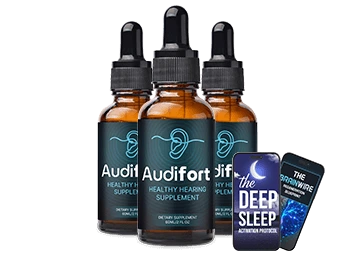
AudiFort: A Look at Nature's Support for Auditory Health
AudiFort is a natural dietary supplement formulated to support auditory health and help alleviate the symptoms of tinnitus. It combines a synergistic blend of vitamins, minerals, and plant extracts, each chosen for its scientifically recognized potential to target the underlying factors contributing to ear health issues and the perception of tinnitus. By nourishing the inner ear, supporting neural pathways, and promoting healthy circulation, AudiFort aims to restore peace and clarity.

Capsicum Annuum (Cayenne Pepper)
Role: Known for its active compound capsaicin, Capsicum Annuum can support healthy circulation and reduce inflammation. Improved blood flow to the inner ear is crucial for delivering essential nutrients and oxygen, which can positively impact auditory nerve function and potentially reduce tinnitus symptoms.
100-200mg daily
GABA (Gamma-Aminobutyric Acid)
Role: GABA is a primary inhibitory neurotransmitter in the brain, playing a vital role in calming neural activity. In the context of tinnitus, it's believed that an imbalance in excitatory and inhibitory neurotransmitters can contribute to the overactivity in the auditory cortex. GABA helps to balance this, potentially reducing the perception of phantom sounds.
250-500mg daily
Grape Seed Extract
Role: A potent antioxidant, Grape Seed Extract helps protect the delicate cells of the inner ear from oxidative stress and damage caused by free radicals. Its beneficial effects on blood vessel health also contribute to improved microcirculation, ensuring the auditory system receives adequate nourishment and support for optimal function.
100-300mg daily
Green Tea Extract
Role: Rich in polyphenols, particularly EGCG, Green Tea Extract provides powerful antioxidant and anti-inflammatory properties. These compounds help combat cellular damage in the auditory system and support overall neurological health. Its ability to promote healthy brain function indirectly aids in the brain's ability to process auditory signals more efficiently.
200-400mg daily
Gymnema Sylvestre
Role: Traditionally used in Ayurvedic medicine, Gymnema Sylvestre is primarily known for its blood sugar regulating properties. Emerging research suggests its potential in supporting metabolic health, which can indirectly benefit nerve function and overall systemic health. Healthy metabolic function is essential for the optimal performance of all bodily systems, including the auditory system.
100-250mg daily
Maca Root (Lepidium Meyenii)
Role: An adaptogen, Maca Root helps the body adapt to stress and supports overall energy and vitality. By reducing stress levels, Maca can indirectly help manage tinnitus symptoms, as stress is often a significant exacerbating factor. It also contributes to hormonal balance and overall well-being, which are important for systemic health.
500-1000mg dailyThis carefully selected blend of ingredients in AudiFort aims to provide comprehensive support for your auditory system. For more detailed information on how these ingredients work and to read real experiences, you can visit AudiFort reviews and real results.
Reclaim Your Peace and Clarity with AudiFort
If you're tired of the constant ringing, buzzing, or hissing in your ears, AudiFort offers a promising natural solution. Formulated by experts and backed by a blend of powerful, scientifically-researched ingredients, AudiFort aims to support your auditory health from within, addressing the root causes of tinnitus rather than just masking the symptoms. Imagine waking up to a quieter world, with improved focus and renewed peace of mind.
- ✓ Supports Healthy Auditory Function
- ✓ Reduces Perception of Tinnitus Sounds
- ✓ Enhances Cognitive Clarity and Focus
- ✓ Promotes Overall Brain and Nerve Health
- ✓ Made with 100% Natural, Non-GMO Ingredients




What Our Customers Are Saying
"For years, the constant buzzing was driving me crazy. After trying countless things, AudiFort has finally brought me some peace. The ringing is significantly reduced, and I can actually sleep through the night now. It's truly life-changing!"
"I was skeptical at first, but Dr. Baker's article on natural treatments led me to AudiFort. My tinnitus, which I blamed on age-related hearing loss, has become much more manageable. I feel calmer and more focused during the day. Highly recommend!"
"The improvement in my concentration is incredible. Before AudiFort, the incessant noise made it impossible to read. Now, I can enjoy my books again without the distraction. It's a gentle, natural approach that truly works."
Frequently Asked Questions
What exactly is tinnitus, and how common is it?
+Tinnitus is the perception of sound in one or both ears or in the head when no external sound is present. It's often described as a ringing, buzzing, hissing, clicking, or roaring sound. It's a remarkably common condition, affecting approximately 15-20% of the population, with prevalence increasing with age.
Is tinnitus always a sign of hearing loss?
+While tinnitus is very commonly associated with hearing loss, particularly age-related hearing loss, it is not always a direct symptom. Many people with tinnitus also have some degree of hearing impairment, but it can also be caused by other factors like earwax blockage, certain medications, or temporomandibular joint (TMJ) disorders. However, a significant majority of chronic tinnitus cases do have an underlying auditory system dysfunction.
Can diet and lifestyle changes really help manage tinnitus?
+Absolutely. While not a cure, dietary and lifestyle adjustments can play a significant role in managing tinnitus symptoms for many individuals. Reducing intake of caffeine, alcohol, and high-sodium foods, managing stress, getting regular exercise, and ensuring adequate sleep can all contribute to symptom reduction and improved overall well-being, which in turn can lessen the perception of tinnitus.
How does AudiFort work to support auditory health and potentially reduce tinnitus?
+AudiFort is formulated with a blend of natural ingredients, including specific vitamins, minerals, and herbal extracts, chosen for their potential to support nerve function, reduce inflammation, improve circulation to the inner ear, and enhance overall brain health. By addressing these underlying factors, AudiFort aims to create an optimal environment for auditory system function, which may help mitigate the perception of tinnitus over time. It's designed to complement a holistic approach to ear health.
Are there any potential side effects associated with taking AudiFort?
+AudiFort is made with natural ingredients and is generally well-tolerated. However, as with any supplement, individual reactions can vary. It's always recommended to consult with your healthcare provider before starting any new supplement, especially if you have pre-existing medical conditions, are pregnant or nursing, or are taking other medications, to ensure it's appropriate for your specific health needs.
How long does it typically take to notice results or improvements with AudiFort?
+The timeline for experiencing results with AudiFort can vary greatly among individuals, depending on the severity and underlying causes of their tinnitus, as well as their overall health. While some users may notice subtle improvements within a few weeks, it's generally recommended to take AudiFort consistently for at least 60-90 days to allow the natural ingredients to accumulate and exert their full beneficial effects on the auditory system. Consistency is key for optimal results.
Related Articles