Are your ears getting the essential nutrients they need to thrive?
Hearing loss, particularly age-related hearing loss (presbycusis), is a widespread condition affecting millions globally. While factors like genetics, noise exposure, and aging are well-known contributors, a growing body of research suggests that nutrition plays a significant, yet often overlooked, role in maintaining auditory health.
Among the various nutrients under investigation, B vitamins stand out for their profound impact on nerve function, cellular metabolism, and protection against oxidative stress—all critical for the delicate mechanisms of the inner ear. Understanding their role could unlock new strategies for protecting your precious hearing as you age.
The Silent Epidemic: Understanding Age-Related Hearing Loss
Age-related hearing loss, or presbycusis, is the most common form of hearing impairment, gradually affecting both ears and often starting around age 40.
It typically involves the loss of high-frequency sounds first, making it difficult to understand speech in noisy environments or distinguish certain consonants. While it's a natural part of aging for many, the severity and onset can vary greatly, influenced by a complex interplay of genetic predispositions, environmental factors like chronic noise exposure, and lifestyle choices, including diet.
The inner ear, specifically the cochlea, is a marvel of biological engineering, converting sound vibrations into electrical signals that the brain interprets. This process relies on tiny hair cells and a sophisticated network of nerves. Over time, these delicate structures can become damaged or degrade, leading to progressive hearing loss. Factors contributing to this degradation include reduced blood flow, oxidative stress, inflammation, and metabolic imbalances. Could addressing these underlying issues through targeted nutrition, particularly with B vitamins, offer a pathway to preservation?
For more insights into the intricate workings of our auditory system, you might find our article on inner ear anatomy and the hearing process particularly illuminating.
💡 Key Takeaway
Age-related hearing loss is a complex condition, but emerging research highlights nutrition, especially B vitamins, as a crucial, often overlooked factor in maintaining the health and function of the delicate inner ear structures.
The Ear's Nutritional Demands: Why Diet Matters
Just like any other organ, your ears require a steady supply of nutrients to function optimally and ward off damage.
The inner ear, with its high metabolic rate, is particularly vulnerable to nutrient deficiencies and oxidative stress. The tiny hair cells within the cochlea, responsible for converting sound waves into electrical impulses, are highly susceptible to damage from free radicals. These free radicals are unstable molecules that can harm cells and tissues, contributing to aging and disease. Antioxidants, often found in vitamins and minerals, help neutralize these harmful free radicals.
Beyond antioxidants, proper blood flow is paramount. The inner ear is supplied by a single artery, making it highly sensitive to changes in circulation. Nutrients that support cardiovascular health, reduce inflammation, and maintain healthy nerve function are therefore critical for hearing. This is where the B vitamins come into play, performing a myriad of roles that collectively contribute to a robust auditory system. A deficiency in these vital nutrients can compromise the ear's ability to repair itself, protect against damage, and transmit sound signals effectively.
B Vitamins: The Powerhouses for Auditory Health
The B vitamin complex consists of eight water-soluble vitamins that are essential for various metabolic processes in the body, including energy production, nerve function, and DNA synthesis.
While often grouped, each B vitamin plays a unique and critical role. For hearing health, their collective impact is particularly noteworthy. They act as coenzymes in numerous biochemical reactions, supporting the health of auditory nerves, promoting adequate blood flow to the inner ear, and helping to protect against cellular damage.
Let's delve into the specific contributions of individual B vitamins and how their presence (or absence) can influence your ability to hear clearly and maintain a healthy auditory system throughout your life. Understanding these roles can empower you to make informed dietary and lifestyle choices to support your ear health.
Specific B Vitamins and Their Impact on Hearing
Each B vitamin contributes uniquely to the intricate biological processes that support healthy hearing.
Vitamin B1 (Thiamine): Nerve Conduction Champion
Thiamine is vital for nerve function and energy metabolism. It plays a crucial role in the proper functioning of the central nervous system, including the auditory nerve pathways. Adequate B1 ensures efficient transmission of sound signals from the inner ear to the brain, preventing neurological impediments that could affect hearing clarity.
Vitamin B2 (Riboflavin) & B3 (Niacin): Cellular Energy and Blood Flow
Riboflavin and Niacin are essential for cellular energy production. The cochlea, with its thousands of delicate hair cells, is metabolically very active and requires a constant supply of energy. B2 and B3 also contribute to healthy circulation, ensuring that the inner ear receives sufficient oxygen and nutrients, which are critical for preventing damage and maintaining function.
Vitamin B6 (Pyridoxine): Neurotransmitter Synthesis and Protection
Pyridoxine is involved in the synthesis of neurotransmitters, the chemical messengers that transmit signals between nerve cells. This is crucial for the auditory system's ability to process sound information. B6 also plays a role in reducing inflammation and protecting against oxidative stress, both of which can harm the sensitive structures of the inner ear.
Vitamin B9 (Folate) & B12 (Cobalamin): Homocysteine Metabolism and Nerve Health
These two B vitamins are often discussed together due to their synergistic roles in DNA synthesis and the metabolism of homocysteine. High levels of homocysteine, an amino acid, are associated with cardiovascular disease and neurological disorders, including hearing loss. Folate and B12 help break down homocysteine, reducing its detrimental effects on blood vessels and nerves in the auditory system. B12 is also critical for the maintenance of the myelin sheath, which insulates auditory nerves, ensuring rapid and accurate signal transmission.
Other B Vitamins (B5, B7): Supporting Overall Cellular Function
While B1, B6, B9, and B12 often take the spotlight for hearing, Pantothenic Acid (B5) and Biotin (B7) contribute to overall cellular health and metabolism. B5 is involved in energy production and hormone synthesis, while B7 supports healthy skin, hair, and nails, all of which reflect overall nutritional status and indirectly contribute to a robust physiological environment for hearing.

Scientific Evidence: What Research Says About B Vitamins and Hearing Loss
Numerous studies have explored the link between B vitamin status and hearing health, providing compelling evidence for their protective role.
One of the most frequently cited connections involves B9 (folate) and B12 (cobalamin) and their impact on homocysteine levels. Elevated homocysteine is a known risk factor for cardiovascular disease and has been implicated in sensorineural hearing loss. Research published in journals like the American Journal of Clinical Nutrition has shown that supplementation with folic acid and vitamin B12 can significantly lower homocysteine levels, potentially mitigating damage to the delicate blood vessels and nerves of the inner ear.
A large-scale study on older adults found that those with higher intakes of folate and B12 had a lower risk of developing age-related hearing loss. Another study specifically focused on B12 deficiency noted a higher prevalence of hearing loss and tinnitus among individuals with low B12 levels. This suggests that maintaining adequate levels of these vitamins could be a simple yet effective strategy in the prevention or slowing of presbycusis.
Furthermore, the antioxidant properties of some B vitamins, particularly B6, contribute to protecting the inner ear from oxidative stress, a major contributor to age-related cellular damage. While more large-scale human trials are always beneficial, the existing body of evidence strongly supports the notion that B vitamins are not just general health boosters, but specific allies in the fight against hearing decline.
Dietary Sources: Fueling Your Ears Naturally
Incorporating B vitamin-rich foods into your daily diet is the first and most fundamental step towards supporting your auditory health.
Leafy Greens
Spinach, kale, and other dark leafy greens are excellent sources of folate (B9). Aim for at least 1-2 servings daily to boost your intake of this crucial vitamin.
Legumes
Lentils, chickpeas, and black beans are rich in various B vitamins, including folate and B6. They also provide fiber and protein, contributing to overall health.
Whole Grains
Brown rice, oats, barley, and whole wheat bread retain more of their B vitamins compared to refined grains. These are good sources of B1, B2, B3, and B6.
Eggs & Dairy
Eggs are a fantastic source of B12, B2, and biotin. Milk and yogurt also provide B2 and B12, especially important for vegetarians.
Fish & Seafood
Salmon, tuna, and shellfish are particularly high in B12, as well as B6. They also offer beneficial omega-3 fatty acids, which support brain and nerve health.
Lean Meats
Chicken, turkey, and lean beef are excellent sources of B vitamins, especially B3, B6, and B12, which are vital for energy and nerve function.
When Diet Isn't Enough: The Role of Supplementation
While a balanced diet is always the preferred method for nutrient intake, certain factors can make it challenging to obtain sufficient B vitamins, especially for those concerned about age-related hearing loss.
Elderly individuals, vegetarians, vegans, and those with certain medical conditions or digestive issues may be at a higher risk of B vitamin deficiencies. For instance, vitamin B12 is primarily found in animal products, making supplementation often necessary for those following plant-based diets. Furthermore, as we age, the body's ability to absorb B12 from food can decrease due to reduced stomach acid production.
In such cases, a high-quality B-complex supplement or targeted individual B vitamin supplements, under the guidance of a healthcare professional, can be a valuable strategy. Supplements can help ensure optimal levels of these crucial nutrients, providing the consistent support your auditory system needs. However, it's important to choose supplements that are carefully formulated and manufactured to ensure purity and potency.
If you're considering a supplement, it's always wise to discuss it with your doctor to determine the appropriate dosage and to ensure there are no contraindications with existing medications. For information on potential interactions or safety concerns, you might want to review our article on AudiFort side effects and safety, as it discusses general supplement considerations.
Beyond B Vitamins: Other Key Ingredients for Hearing Support
While B vitamins are foundational, many natural supplements combine them with other powerful ingredients to offer comprehensive auditory support.

Grape Seed Extract
Role: Rich in antioxidants (proanthocyanidins) that protect inner ear cells from oxidative damage and improve blood circulation to the auditory system, helping to deliver essential nutrients and remove waste products.
Suggested Dose: 50-100mg daily
Green Tea Extract
Role: Contains powerful antioxidants like EGCG, which combat free radicals and reduce inflammation. It can help protect against noise-induced hearing loss and support the overall health of cochlear cells.
Suggested Dose: 250-500mg daily
GABA (Gamma-Aminobutyric Acid)
Role: A primary inhibitory neurotransmitter in the brain, GABA is crucial for regulating neuronal excitability. It plays a role in the central auditory processing, potentially helping to reduce symptoms like tinnitus and improve sound perception by calming overactive nerve signals.
Suggested Dose: 100-200mg daily
Maca Root
Role: An adaptogenic herb that supports overall vitality, energy levels, and hormonal balance. While not directly linked to hearing, its ability to reduce stress and improve circulation can indirectly benefit auditory health by creating a more optimal physiological environment.
Suggested Dose: 500-1500mg daily
Gymnema Sylvestre
Role: Known for its ability to support healthy blood sugar levels, Gymnema Sylvestre can indirectly benefit hearing. Stable blood sugar is crucial for maintaining microvascular health, which ensures adequate blood supply to the inner ear and prevents damage from glucose fluctuations.
Suggested Dose: 200-400mg daily
Capsicum Annuum (Cayenne Pepper)
Role: Contains capsaicin, which can improve circulation and reduce inflammation. Enhanced blood flow can ensure the inner ear receives vital nutrients and oxygen, supporting its function and potentially aiding in recovery from minor damage.
Suggested Dose: 20-50mg daily
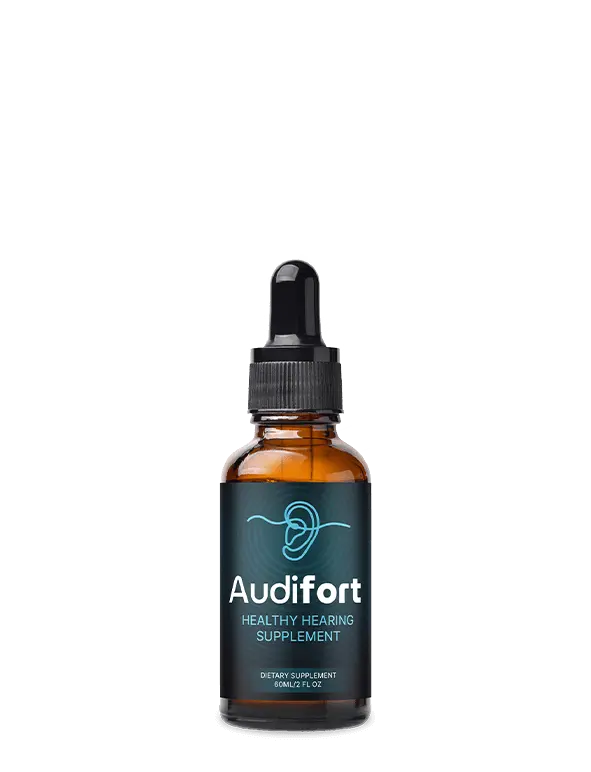
Unlock Your Auditory Potential with AudiFort
If you're seeking a comprehensive, natural solution to support your hearing health, AudiFort offers a meticulously crafted blend of ingredients, including the essential B vitamins discussed, alongside powerful antioxidants and circulation boosters.
- ✓ Supports healthy nerve function and signal transmission
- ✓ Promotes optimal blood flow to the inner ear
- ✓ Protects delicate ear cells from oxidative stress
- ✓ Formulated with a synergistic blend of natural ingredients
- ✓ Made in the USA in a GMP-certified facility




Beyond Supplements: Holistic Approaches to Hearing Protection
While B vitamins and other beneficial nutrients offer significant support, a holistic approach combining various strategies is key to comprehensive hearing protection.
1. Noise Protection: This is arguably the most crucial step. Avoid prolonged exposure to loud noises and always use hearing protection (earplugs, earmuffs) in noisy environments, whether at work, concerts, or during hobbies like shooting or woodworking. Chronic noise exposure is a leading cause of permanent hearing damage.
2. Regular Hearing Check-ups: Just like you get your eyes checked, regular hearing tests are vital, especially as you age. Early detection of hearing loss allows for timely intervention and management, preventing further decline and improving quality of life. An audiologist can monitor your hearing health and recommend appropriate steps.
3. Healthy Lifestyle: A balanced diet, rich in fruits, vegetables, and whole grains, supports overall health, including cardiovascular health, which directly impacts blood flow to the inner ear. Regular exercise also improves circulation. Avoiding smoking and excessive alcohol consumption are also critical, as these can negatively affect ear health.
4. Manage Chronic Health Conditions: Conditions like diabetes, high blood pressure, and heart disease can impact blood flow and nerve function throughout the body, including the auditory system. Effectively managing these conditions with your doctor can help protect your hearing.
5. Mindful Medication Use: Some medications are ototoxic, meaning they can damage the inner ear. Always discuss potential side effects with your doctor, especially if you are prescribed new medications or are concerned about existing ones. Never discontinue medication without medical advice.
6. Stress Reduction: Chronic stress can impact various bodily systems, including potentially exacerbating conditions like tinnitus. Practicing stress-reduction techniques such as meditation, yoga, or spending time in nature can contribute to overall well-being and indirectly support auditory health.
By combining nutritional strategies, such as ensuring adequate B vitamin intake, with these lifestyle practices, you create a powerful defense against the progression of age-related hearing loss and support your auditory system for years to come. For those experiencing persistent ringing, you may find valuable insights in our article on how to stop ringing in ears naturally.
What Our Customers Are Saying
"I've been taking AudiFort for three months now, and I've noticed a significant improvement in my ability to follow conversations in crowded places. My ears feel sharper, and the constant hum I used to hear has lessened. Truly a game-changer!"
"As someone in my late 60s, I was starting to worry about my hearing. AudiFort was recommended by a friend, and I decided to try it. I feel more confident in social settings, and my family says I'm not asking 'what?' as much. Highly recommend!"
"I was skeptical at first, but the natural ingredients and the science behind B vitamins for hearing convinced me to try AudiFort. My ears feel more 'awake,' and I'm even sleeping better because the background noise seems less intrusive. Fantastic product!"
Frequently Asked Questions
What role do B vitamins play in hearing health?
+B vitamins, particularly B6, B9 (folate), and B12, are crucial for nerve function, blood circulation, and cellular energy production – all vital processes for maintaining healthy auditory function. They help protect against oxidative stress and support the myelin sheath of auditory nerves.
Can B vitamin deficiency cause hearing loss?
+While not a direct cause, deficiencies in certain B vitamins, especially B12 and folate, have been strongly associated with an increased risk or acceleration of age-related hearing loss. These deficiencies can impair nerve function and increase homocysteine levels, which are detrimental to auditory health.
Which B vitamins are most important for ear health?
+B6, B9 (folate), and B12 are often highlighted due to their roles in nerve health, DNA synthesis, and homocysteine metabolism. However, the entire B-complex works synergistically, making a balanced intake of all B vitamins important for overall auditory support.
How can I increase my B vitamin intake?
+You can increase your B vitamin intake through a balanced diet rich in whole grains, lean meats, fish, eggs, dairy, leafy green vegetables, and fortified cereals. For those with dietary restrictions or confirmed deficiencies, supplementation, under medical guidance, may be beneficial.
Is AudiFort a good source of B vitamins for hearing?
+AudiFort is formulated with a blend of natural ingredients, including key B vitamins, specifically chosen to support auditory health. It aims to provide comprehensive nutritional support for your ears, complementing a healthy diet and lifestyle. Always consult a healthcare professional before starting any new supplement.
Are there any side effects of taking B vitamin supplements for hearing?
+Generally, B vitamins are water-soluble and considered safe, with excess usually excreted. However, very high doses of certain B vitamins can lead to side effects. It's crucial to follow recommended dosages and consult a healthcare professional, especially if you have underlying health conditions or are taking other medications, to avoid potential interactions or adverse effects.
Related Articles