Could Your Heart Health Be Whispering to Your Ears?
It's a connection many overlook, yet it's profoundly significant: the health of your circulatory system plays a critical role in maintaining optimal hearing. As we age, the intricate network of blood vessels that nourishes our inner ear becomes vulnerable, often leading to a gradual decline in auditory function.
Understanding this vital relationship is the first step toward proactive hearing care. Join us as we explore how robust blood flow is the silent guardian of your hearing health, and what you can do to protect this precious sense.
The Inner Ear: A Microcosm of Vascular Dependency
Your ability to hear is an incredibly complex process, orchestrated by the delicate structures deep within your ear. At the heart of this process lies the cochlea, a snail-shaped organ in the inner ear, home to thousands of tiny hair cells. These hair cells are the true marvels of auditory transduction, converting sound vibrations into electrical signals that your brain interprets as sound.
However, these microscopic hair cells are extraordinarily fragile and demand a constant, robust supply of oxygen and nutrients to function correctly and survive. This vital supply is delivered through an intricate network of minuscule blood vessels, primarily the labyrinthine artery. Any disruption to this delicate vascular system can have profound consequences for your hearing.
Think of your inner ear as a highly sensitive garden. Just as plants need consistent water and sunlight to thrive, your hair cells require a steady stream of nutrient-rich blood. When this supply diminishes, whether due to narrowing arteries, reduced blood pressure, or damaged capillaries, the hair cells become starved. Over time, this deprivation can lead to irreversible damage and cell death, manifesting as age-related hearing loss, also known as presbycusis.
Understanding the anatomy of hearing loss, especially age-related forms, is crucial for developing effective preventative strategies. For more detailed information, you can read our article on the causes of age-related hearing loss.
💡 Key Takeaway
The inner ear's delicate hair cells are extremely sensitive to blood supply. Optimal hearing relies on a constant, rich flow of oxygen and nutrients delivered by tiny blood vessels. Compromised circulation directly threatens these cells, contributing significantly to hearing decline.
Circulatory Conditions and Their Silent Impact on Hearing
It's no coincidence that many individuals with cardiovascular diseases also experience hearing difficulties. Research consistently points to a strong correlation between systemic circulatory health and auditory function. Let's explore some common conditions and their specific impact:
Hypertension (High Blood Pressure)
Chronic high blood pressure can damage the delicate blood vessels throughout the body, including those supplying the inner ear. This damage can lead to reduced blood flow, oxygen deprivation, and ultimately, impaired function and death of the cochlear hair cells. The constant stress on these tiny arteries makes them less elastic and more prone to narrowing.
Atherosclerosis (Hardening of the Arteries)
This condition involves the buildup of plaque in the arteries, causing them to narrow and harden. When atherosclerosis affects the labyrinthine artery or other vessels supplying the inner ear, it severely restricts blood flow. The reduced supply of oxygen and nutrients starves the sensitive auditory cells, accelerating their deterioration and contributing to progressive hearing loss.
Diabetes Mellitus
High blood sugar levels characteristic of diabetes can damage blood vessels and nerves throughout the body, a condition known as microangiopathy. This damage extends to the tiny blood vessels and nerves in the inner ear, impairing their ability to supply nutrients and transmit auditory signals effectively. Diabetic neuropathy can also directly affect the auditory nerve, further compounding hearing issues.
High Cholesterol
Elevated levels of LDL ("bad") cholesterol contribute to plaque formation in arteries (atherosclerosis), which, as discussed, can restrict blood flow to the inner ear. Healthy cholesterol levels are vital for maintaining clear, flexible blood vessels, ensuring an uninterrupted supply of blood to all organs, including the auditory system.
Smoking
Smoking severely impacts circulation by constricting blood vessels and reducing oxygen levels in the blood. Nicotine and other toxins in cigarette smoke directly damage blood vessel walls, increasing plaque buildup and impairing blood flow to the inner ear. Smokers are significantly more likely to develop hearing loss compared to non-smokers due to this profound circulatory compromise.

The Microvascular Connection: Why Small Vessels Matter Most
While large arteries deliver blood to major organs, it's the microcirculation – the network of tiny capillaries, arterioles, and venules – that performs the critical exchange of oxygen and nutrients at the cellular level. In the inner ear, this microvascular system is exceptionally dense and specialized, making it particularly vulnerable to systemic circulatory issues.
Damage to these tiny vessels, often caused by chronic inflammation, oxidative stress, or metabolic disorders, can lead to a phenomenon known as endothelial dysfunction. The endothelium, the inner lining of blood vessels, plays a crucial role in regulating blood flow and preventing clot formation. When it malfunctions, blood flow can become erratic, restricted, and less efficient, directly impacting the delicate structures of the cochlea.
Furthermore, the inner ear's blood supply is considered a "terminal circulation," meaning there are few collateral vessels to compensate if the primary supply is compromised. This makes the cochlea highly susceptible to even minor reductions in blood flow. This microvascular vulnerability is a key reason why conditions like diabetes and hypertension often manifest with hearing problems, even before other symptoms become severe.
Protecting these tiny blood vessels through a healthy lifestyle and targeted nutritional support is paramount for preserving auditory function, especially as we age. The cumulative effect of years of suboptimal circulation can significantly accelerate age-related hearing loss.
Beyond Medication: Lifestyle and Nutritional Strategies for Auditory Blood Flow
While managing underlying medical conditions with your doctor is essential, there are numerous proactive steps you can take to foster healthy circulation and, by extension, support your hearing. These strategies focus on enhancing overall cardiovascular health and reducing factors that impede blood flow.
Embrace a Heart-Healthy Diet
Prioritize foods rich in antioxidants, omega-3 fatty acids, and nitrates. Berries, leafy greens, fatty fish, nuts, and whole grains help reduce inflammation, improve endothelial function, and maintain flexible blood vessels. Limiting processed foods, excessive salt, and saturated fats is equally important for vascular health.
Regular Physical Activity
Exercise is a powerful tool for improving circulation. It strengthens your heart, helps maintain healthy blood pressure and cholesterol levels, and enhances the flexibility of blood vessels. Aim for at least 150 minutes of moderate-intensity aerobic exercise per week, combined with strength training.
Quit Smoking and Limit Alcohol
Smoking is one of the most detrimental habits for circulation, directly damaging blood vessels and reducing oxygen delivery. Excessive alcohol consumption can also negatively impact cardiovascular health. Eliminating or significantly reducing these can yield immediate benefits for your entire circulatory system, including your ears.
Manage Stress Effectively
Chronic stress can lead to elevated blood pressure and inflammation, both of which are detrimental to vascular health. Incorporate stress-reduction techniques like meditation, yoga, deep breathing exercises, or spending time in nature. The link between stress and hearing is more significant than you might think.
Consider Targeted Nutritional Support
Certain natural compounds and vitamins are known for their ability to support blood vessel integrity, improve circulation, and protect cells from oxidative damage. These can complement a healthy lifestyle in supporting the microcirculation essential for hearing health.
Key Ingredients for Circulatory and Auditory Health
For those seeking additional support, certain natural ingredients have been extensively studied for their beneficial effects on circulation and neurological function, which are directly relevant to hearing health. AudiFort incorporates several of these powerful botanicals and compounds:

Capsicum Annuum
Role: Known for its active compound capsaicin, Capsicum Annuum can support healthy blood circulation by promoting vasodilation and strengthening blood vessel walls. Improved blood flow ensures better nutrient and oxygen delivery to the inner ear.
Typically 40-100mg daily
GABA (Gamma-Aminobutyric Acid)
Role: As a primary inhibitory neurotransmitter, GABA plays a crucial role in regulating nerve activity and promoting relaxation. While not directly circulatory, its ability to reduce neural excitability can support overall brain health and potentially mitigate stress-related impacts on auditory pathways.
Typically 100-500mg daily
Grape Seed Extract
Role: Rich in powerful antioxidants called proanthocyanidins, grape seed extract helps protect blood vessels from oxidative damage and inflammation. It supports capillary strength and elasticity, which is vital for the delicate microcirculation of the inner ear.
Typically 50-300mg daily
Green Tea Extract
Role: Packed with catechins, especially EGCG, green tea extract is a potent antioxidant that supports cardiovascular health by improving endothelial function and reducing oxidative stress. Better endothelial function translates to healthier, more efficient blood flow to the inner ear.
Typically 250-500mg daily (standardized)
Gymnema Sylvestre
Role: Traditionally used to support healthy blood sugar levels, Gymnema Sylvestre indirectly benefits circulatory health. Stable blood sugar is crucial for preventing damage to blood vessels, particularly the microvessels in the inner ear, often affected by conditions like diabetes.
Typically 200-400mg daily
Maca Root
Role: Maca root is recognized for its adaptogenic properties and its potential to support energy levels and overall vitality. While not a direct circulatory enhancer, improved systemic energy and hormonal balance can contribute to better overall physiological function, including circulatory efficiency.
Typically 500-1500mg dailyAudiFort: Supporting the Circulation-Hearing Connection
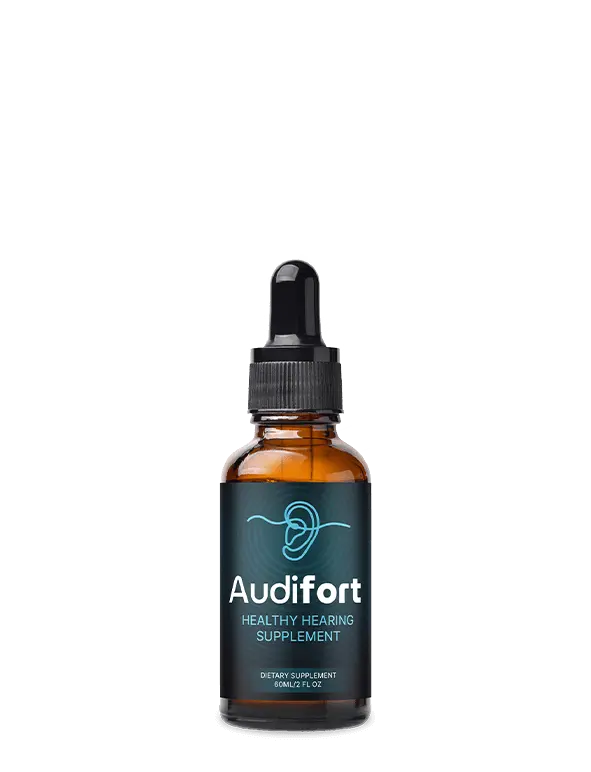
For those looking for a comprehensive approach to support hearing health, AudiFort offers a blend of natural ingredients specifically chosen for their potential to enhance circulation, protect against oxidative stress, and support neural function. While no supplement is a magic bullet, a well-formulated product like AudiFort can be a valuable addition to a holistic strategy.
AudiFort is designed with the understanding that optimal hearing relies on a healthy internal environment, particularly a robust blood supply to the inner ear. Its ingredients work synergistically to address various aspects of this connection:
- Enhancing Blood Flow: Ingredients like Capsicum Annuum and Grape Seed Extract are included for their recognized benefits in promoting healthy circulation and strengthening blood vessels, ensuring the inner ear receives the vital oxygen and nutrients it needs.
- Antioxidant Protection: Green Tea Extract and Grape Seed provide powerful antioxidant support, helping to neutralize free radicals that can damage delicate inner ear cells and blood vessels, thereby preserving their function over time.
- Nervous System Support: GABA contributes to a calmer nervous system, which can be beneficial as stress is known to impact hearing health. Supporting overall neurological well-being indirectly benefits auditory pathways.
- Metabolic Balance: Gymnema Sylvestre’s role in blood sugar regulation is crucial, as stable blood sugar levels are fundamental for preventing microvascular damage that can lead to hearing decline.
It's important to remember that AudiFort is intended as a dietary supplement to complement a healthy lifestyle, not replace medical treatment. Always consult with your healthcare provider before starting any new supplement, especially if you have existing health conditions or are taking other medications. For more insights into how supplements can aid specific issues, consider reading our article on the best supplements for tinnitus relief and inner ear health.
Ready to Prioritize Your Hearing Health?
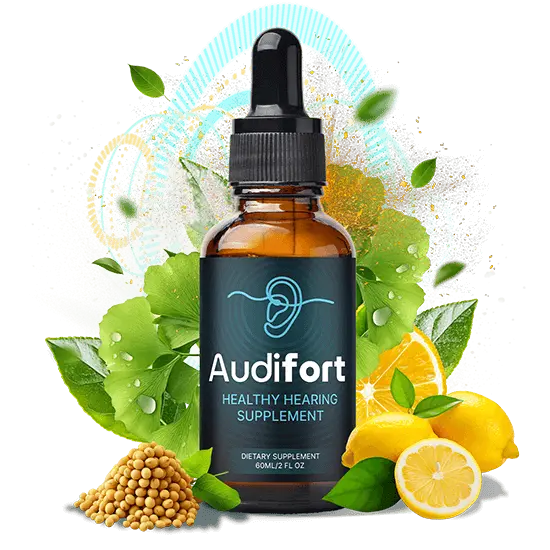
Take a proactive step towards supporting your auditory well-being. AudiFort is formulated with a powerful blend of natural ingredients designed to nourish your inner ear and promote healthy blood flow, essential for clear hearing.
- ✓ Supports Healthy Blood Flow to Inner Ear
- ✓ Promotes Antioxidant Protection
- ✓ Helps Maintain Auditory Nerve Function
- ✓ Made with 100% Natural Ingredients
- ✓ Non-GMO, GMP Certified, Made in USA




Conclusion: A Holistic Approach to Hearing Preservation
The intricate connection between blood flow and hearing health is undeniable. Our auditory system, particularly the delicate inner ear, is highly dependent on a consistent and robust supply of oxygen and nutrients delivered through a healthy vascular network. Conditions that compromise circulation, such as hypertension, diabetes, and atherosclerosis, pose a direct threat to our hearing ability, often contributing to age-related hearing loss.
By adopting a holistic approach that prioritizes cardiovascular health – through a balanced diet, regular exercise, stress management, and avoiding detrimental habits like smoking – we can significantly support the microcirculation essential for optimal auditory function. Incorporating targeted nutritional support, such as that offered by AudiFort, can further enhance these efforts by providing key ingredients known to benefit blood vessel integrity and cellular protection.
Remember, your hearing is a precious sense, and taking proactive steps to protect it is an investment in your quality of life. By understanding and addressing the circulation connection, you empower yourself to maintain clearer hearing for years to come. Consult with your doctor to discuss the best strategies for your individual health needs.
What Our Customers Say
"I've been using AudiFort for three months, and I've noticed a significant improvement in my ability to follow conversations in noisy environments. My ears feel less 'stuffed.' Highly recommend!"
"My doctor suggested improving my circulation, and I found AudiFort. Combined with my diet changes, I feel sharper, and the persistent ringing has definitely lessened. A great product!"
"As someone concerned about age-related hearing loss, I appreciate the natural approach of AudiFort. It gives me peace of mind knowing I'm supporting my ear health proactively. I feel a subtle but definite difference."
Frequently Asked Questions
How does blood flow directly impact my hearing?
+The inner ear, particularly the cochlea, has a rich network of tiny blood vessels that supply oxygen and nutrients to the delicate hair cells responsible for converting sound vibrations into electrical signals. Insufficient blood flow can starve these cells, leading to damage and impaired hearing.
Can improving my circulation help with age-related hearing loss?
+While age-related hearing loss (presbycusis) is complex, maintaining healthy circulation through diet, exercise, and managing underlying conditions like high blood pressure or diabetes can significantly support inner ear health and potentially slow the progression of hearing decline. It's a crucial preventative and supportive measure.
What lifestyle changes can I make to improve blood flow for better hearing?
+Focus on a heart-healthy diet rich in antioxidants and omega-3s, engage in regular physical activity, manage stress, avoid smoking, and limit alcohol intake. These habits collectively support cardiovascular health, which directly benefits the microcirculation to your inner ear.
Are there specific nutrients known to support both blood flow and hearing?
+Yes, several nutrients are beneficial. Antioxidants like those found in grape seed extract and green tea help protect blood vessels. Magnesium supports vascular health, while B vitamins play a role in nerve function. Ingredients like Capsicum Annuum and Maca Root are also studied for their circulatory benefits, which can indirectly support hearing health.
Is AudiFort a suitable option for supporting hearing health?
+AudiFort is formulated with natural ingredients known for their potential to support healthy blood flow and nerve function, which are crucial for inner ear health. While it can be a supportive measure, it's always recommended to consult with a healthcare professional to discuss your specific needs and ensure it complements your overall health strategy.
How long does it take to see benefits from improving circulation for hearing?
+The timeline for noticeable benefits can vary greatly depending on individual health status, the severity of any circulatory issues, and consistency of lifestyle changes or supplement use. While some may experience improvements in weeks, significant changes in hearing health often require consistent effort over several months. Patience and persistence are key.
Related Articles