Are you struggling to hear conversations, or finding yourself constantly asking people to repeat themselves?
Age-related hearing loss, medically known as presbycusis, is a common and often frustrating condition affecting millions worldwide. It can significantly impact quality of life, leading to social isolation, communication difficulties, and even cognitive decline.
As you navigate the options available, you've likely encountered two primary approaches: traditional hearing aids and a growing category of natural hearing support supplements. But how do they compare, and which path offers the most effective solution for your unique needs?
Understanding Age-Related Hearing Loss: The Underlying Challenge
Before diving into solutions, it's crucial to grasp the nature of age-related hearing loss. This condition is a complex interplay of genetic predispositions, environmental factors, and the natural aging process.
Age-related hearing loss, or presbycusis, typically results from changes in the inner ear, specifically damage to the tiny hair cells (stereocilia) in the cochlea. These delicate cells are responsible for converting sound vibrations into electrical signals that the brain interprets as sound. Over time, exposure to loud noises, certain medications, genetic factors, and the natural wear and tear of aging can damage or destroy these cells, and unlike other cells in the body, they do not regenerate. This leads to a progressive, bilateral (affecting both ears) hearing loss, often characterized by difficulty hearing high-pitched sounds and understanding speech in noisy environments.
Beyond the inner ear, changes can also occur in the auditory nerve and the brain's processing centers, further complicating sound perception. The impact extends beyond simply not hearing; it affects clarity, sound localization, and the ability to filter out background noise. Understanding the intricate mechanics of how we hear can shed light on why hearing loss occurs. For a deeper dive into this fascinating process, you can read our article on inner ear anatomy and the hearing process.
💡 Key Takeaway
Age-related hearing loss (presbycusis) is a common, progressive condition caused primarily by damage to inner ear hair cells, affecting millions and impacting communication and quality of life.
The Traditional Solution: Hearing Aids
For decades, hearing aids have been the gold standard for managing moderate to severe hearing loss. These sophisticated devices are designed to amplify sounds, making them audible to individuals with impaired hearing.
How Hearing Aids Work: At their core, hearing aids are miniature electronic devices that consist of three main parts: a microphone, an amplifier, and a speaker (receiver). The microphone picks up sound waves, converts them into electrical signals, and sends them to the amplifier. The amplifier increases the power of these signals, and then the speaker converts them back into sound waves, sending them into the ear canal. Modern hearing aids are incredibly advanced, featuring digital signal processing, noise reduction algorithms, directional microphones, and even connectivity to smartphones and other devices.
Types of Hearing Aids:
- Behind-the-Ear (BTE): The most common type, with the electronic components housed in a case behind the ear, connected by a tube to an earmold or dome in the ear canal. Suitable for all types of hearing loss.
- Receiver-in-Canal (RIC) / Receiver-in-the-Ear (RITE): Similar to BTE, but the receiver is placed directly in the ear canal, making the device smaller and less visible.
- In-the-Ear (ITE): Custom-made to fit within the outer ear bowl. Easier to handle for some, but more visible than smaller models.
- In-the-Canal (ITC): Custom-made to fit partly into the ear canal, making them less visible than ITEs.
- Completely-in-the-Canal (CIC): The smallest and most discreet, fitting entirely within the ear canal. May not be suitable for severe hearing loss or those with dexterity issues.
Pros of Hearing Aids:
- Proven Effectiveness: They are scientifically proven to improve hearing for most types of sensorineural hearing loss, directly amplifying sounds to compensate for damaged hair cells.
- Customization: Audiologists can program them precisely to an individual's specific hearing loss profile.
- Immediate Improvement: Many users experience immediate and significant improvement in their ability to hear and understand speech.
- Advanced Features: Modern aids offer features like Bluetooth connectivity, tinnitus masking, and environmental sound processing.
Cons of Hearing Aids:
- Cost: Can be very expensive, often ranging from $1,500 to $6,000 per ear, and typically not covered by insurance.
- Maintenance: Require regular cleaning, battery changes (or recharging), and adjustments.
- Comfort and Aesthetics: Some people find them uncomfortable or are self-conscious about their appearance.
- Adaptation Period: It takes time to adjust to amplified sounds and learn to distinguish speech from background noise.
- Don't Restore Natural Hearing: They amplify, but don't restore the natural clarity or range of hearing.
💡 Key Takeaway
Hearing aids are effective, customizable electronic devices that amplify sound to compensate for hearing loss, offering immediate improvement but come with significant cost, maintenance, and an adaptation period.
The Emerging Alternative: Hearing Supplements
In recent years, the market for natural health solutions has expanded to include dietary supplements aimed at supporting auditory health and potentially mitigating age-related hearing decline.
How Hearing Supplements Claim to Work: Unlike hearing aids, which mechanically amplify sound, supplements typically aim to address the biochemical and physiological factors that contribute to hearing loss. These often include:
- Antioxidant Support: Protecting delicate inner ear cells from oxidative stress caused by free radicals, which can accelerate aging and damage.
- Improved Circulation: Enhancing blood flow to the inner ear, ensuring optimal delivery of nutrients and oxygen to auditory cells.
- Anti-inflammatory Effects: Reducing inflammation in the auditory system that could contribute to cellular damage.
- Neurotransmitter Support: Some ingredients may support the health and function of auditory nerves and brain pathways involved in sound processing.
- Nutrient Repletion: Providing essential vitamins, minerals, and plant compounds that are critical for overall ear health but may be deficient in the diet.
Common Ingredients: Many hearing supplements feature a blend of vitamins (e.g., B vitamins, Vitamin C, E), minerals (e.g., Zinc, Magnesium), and herbal extracts (e.g., Ginkgo Biloba, Resveratrol, Alpha Lipoic Acid). These ingredients are often chosen for their known antioxidant, anti-inflammatory, or circulatory benefits. For instance, some ingredients are known to alleviate symptoms associated with conditions like tinnitus, a common companion to hearing loss.
Pros of Hearing Supplements:
- Non-Invasive: Simple to take orally, with no devices required.
- Holistic Approach: Often target underlying physiological mechanisms, promoting overall ear health rather than just symptom management.
- Potential for Prevention/Mitigation: May help slow the progression of age-related hearing decline or support existing hearing function.
- Cost-Effective: Generally more affordable than hearing aids.
- Accessibility: Widely available without a prescription.
Cons of Hearing Supplements:
- Varying Efficacy: Scientific evidence supporting significant hearing improvement from supplements is often limited or preliminary, especially for established hearing loss. They cannot regenerate damaged hair cells.
- Lack of Regulation: The supplement industry is less regulated than pharmaceuticals, meaning quality and potency can vary greatly between brands.
- Individual Results: Effects can differ significantly from person to person, and some may experience no noticeable benefit.
- Not a Cure: Supplements are not a cure for hearing loss and should not replace professional medical diagnosis or treatment for moderate to severe conditions.
- Potential Interactions: Some ingredients can interact with medications or cause side effects.
💡 Key Takeaway
Hearing supplements aim to support auditory health through natural compounds with antioxidant, circulatory, or anti-inflammatory properties, offering a non-invasive, potentially preventive approach, but lack the direct amplification of hearing aids and have varying scientific evidence for efficacy.
Hearing Aids vs. Supplements: Making the Right Choice
Deciding between hearing aids and supplements, or even considering a combination, requires a clear understanding of your specific situation and goals.
When Hearing Aids are Essential:
For individuals with diagnosed moderate to severe sensorineural hearing loss, hearing aids are almost always the recommended primary intervention. They provide the necessary amplification to overcome the physical limitations of damaged inner ear structures, allowing for better communication and engagement with the world. If you find yourself consistently struggling in quiet environments, missing significant parts of conversations, or experiencing a noticeable decline in your ability to hear common sounds, a professional audiological evaluation is paramount. An audiologist can precisely measure your hearing loss and recommend the most appropriate type of hearing aid.
When Supplements Might Be Considered:
Supplements are generally considered a complementary or preventive strategy, rather than a standalone treatment for significant hearing loss. They may be most relevant for:
- Early Stages of Age-Related Decline: Individuals experiencing very mild, early-stage presbycusis who want to proactively support their auditory health.
- General Auditory Wellness: Those looking to provide their ears with essential nutrients and antioxidant protection, similar to how one might take a multivitamin for overall health.
- Complementary to Hearing Aids: Some individuals choose to use supplements alongside hearing aids, hoping to support the underlying health of their auditory system while benefiting from amplification.
- Specific Nutrient Deficiencies: If a healthcare provider identifies a specific nutrient deficiency known to impact hearing, targeted supplementation might be beneficial.
It's crucial to manage expectations. Supplements are not a magical cure; they cannot reverse permanent structural damage or restore lost hearing in the same way that hearing aids compensate for it. However, they may play a role in maintaining the health of remaining auditory cells and potentially slowing further decline, particularly when combined with a healthy lifestyle.
The Integrated Approach: Combining Strategies for Optimal Ear Health
For many, the most effective path to managing age-related hearing loss involves a multi-faceted approach, leveraging the strengths of both traditional and complementary methods.
Professional Diagnosis is Key
Always start with a comprehensive hearing evaluation by a qualified audiologist or ENT specialist. This will accurately diagnose the type and severity of your hearing loss, ruling out treatable medical conditions and informing the best course of action. Self-diagnosing or relying solely on anecdotal evidence can lead to delayed treatment for potentially serious issues.
Hearing Aids for Amplification
If your hearing loss is moderate to severe, hearing aids are indispensable. They provide the immediate and significant amplification needed to restore communication abilities. Modern hearing aids are discreet, comfortable, and offer advanced features that greatly enhance the listening experience in various environments. Work closely with your audiologist for proper fitting and programming.
Supplements for Support and Protection
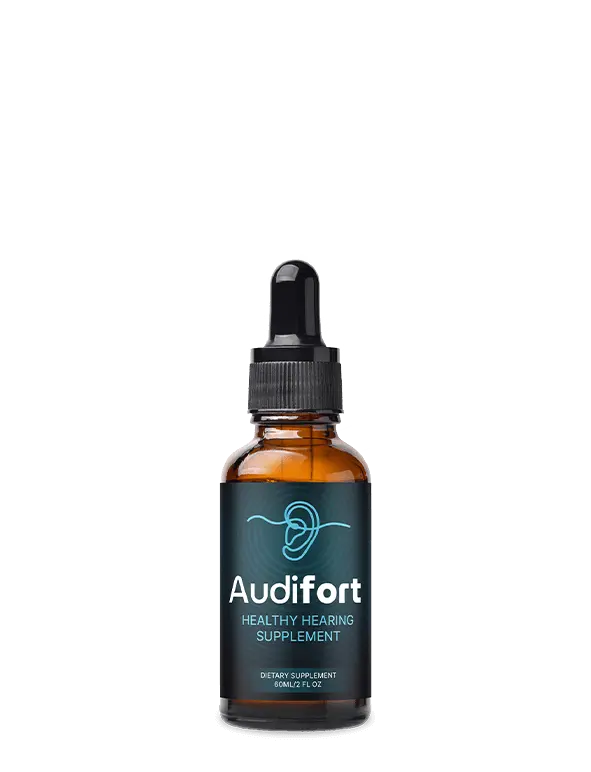
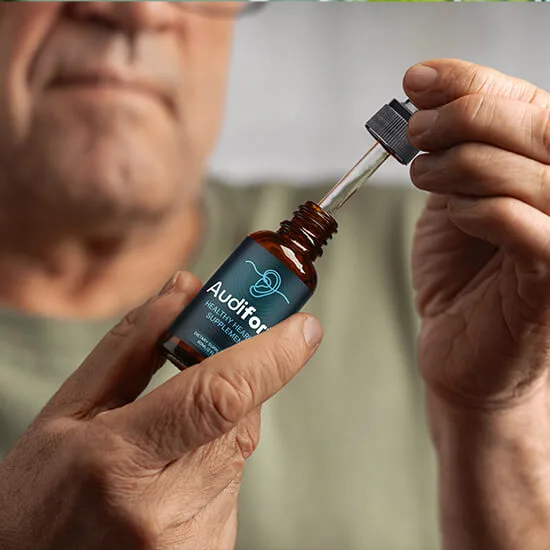
Consider incorporating a high-quality hearing supplement, such as AudiFort, as a complementary measure. These supplements are designed to provide nutritional support, antioxidant protection, and promote healthy circulation to the inner ear. They can help maintain the health of your auditory system, potentially slowing further decline and supporting overall ear function, especially when combined with a healthy lifestyle.
Healthy Lifestyle Choices
Beyond devices and supplements, foundational health habits are crucial. This includes maintaining a balanced diet rich in antioxidants, regular exercise to promote circulation, avoiding excessive noise exposure, managing chronic conditions like diabetes and hypertension, and quitting smoking. These factors collectively contribute to better overall health, including auditory health.
Ongoing Monitoring and Adjustment
Hearing loss is a dynamic condition. Regular follow-up appointments with your audiologist are vital to monitor changes in your hearing and adjust your hearing aids as needed. Similarly, periodically review your supplement regimen with your doctor to ensure it continues to meet your health goals and doesn't interfere with other medications.
💡 Key Takeaway
The most effective strategy for age-related hearing loss often combines professional diagnosis and hearing aids for amplification with high-quality supplements for nutritional support and a healthy lifestyle to maintain overall auditory wellness.
Introducing AudiFort: A Natural Approach to Hearing Support
For those exploring the supplement route, or looking for a complementary solution, AudiFort offers a carefully formulated blend of natural ingredients designed to support auditory health.
AudiFort is a dietary supplement engineered to address some of the underlying factors associated with age-related hearing decline. It focuses on providing essential nutrients, antioxidants, and compounds that may contribute to improved circulation and protection of the delicate structures within the inner ear. This approach aims to help maintain existing hearing function and support the body's natural defense mechanisms against the everyday stressors that can impact ear health.
Our research team at AudiFort-MD has dedicated years to identifying and combining ingredients with documented benefits for neural health, circulation, and antioxidant protection. The goal is not to replace hearing aids for severe loss, but to offer a proactive and supportive measure for those experiencing mild to moderate age-related changes, or seeking to safeguard their hearing for the long term. Many users report noticeable improvements in clarity and a reduction in the effort required to understand speech, particularly in challenging listening environments.
Key Ingredients in AudiFort for Auditory Wellness
AudiFort’s proprietary blend includes several powerful natural ingredients, each selected for its specific role in supporting ear health and cognitive function.

Grape Seed Extract
Role: Rich in antioxidants (proanthocyanidins) which protect delicate inner ear cells from oxidative damage and support healthy blood circulation to the auditory system. May also help reduce inflammation.
Typical Dose: 100-300 mg daily
Green Tea Extract
Role: Contains powerful antioxidants, particularly EGCG, known for neuroprotective properties. It can help combat free radical damage in the inner ear and support overall cellular health, potentially aiding in auditory nerve function.
Typical Dose: 250-500 mg daily
Maca Root
Role: An adaptogenic herb that supports overall energy, stamina, and hormonal balance. While not directly a hearing ingredient, its general wellness benefits can indirectly support nerve function and resilience against stress, which can impact auditory health.
Typical Dose: 500-1500 mg daily
Gymnema Sylvestre
Role: Traditionally used in Ayurvedic medicine, this herb is known for its ability to support healthy blood sugar levels. Stable blood sugar is crucial for maintaining optimal circulation and nerve health, including those in the auditory system, which can be compromised by metabolic imbalances.
Typical Dose: 200-400 mg daily
Capsicum Annuum
Role: Derived from chili peppers, it contains capsaicin, which can enhance microcirculation and reduce inflammation. Improved blood flow to the inner ear is vital for delivering nutrients and removing waste products, supporting the health and function of auditory cells.
Typical Dose: 100-200 mg daily
GABA (Gamma-Aminobutyric Acid)
Role: A primary inhibitory neurotransmitter in the brain, GABA helps calm neural activity. In the auditory system, it plays a role in sound processing and filtering, potentially reducing nerve excitability and supporting overall auditory clarity and reducing the perception of unwanted sounds.
Typical Dose: 100-500 mg daily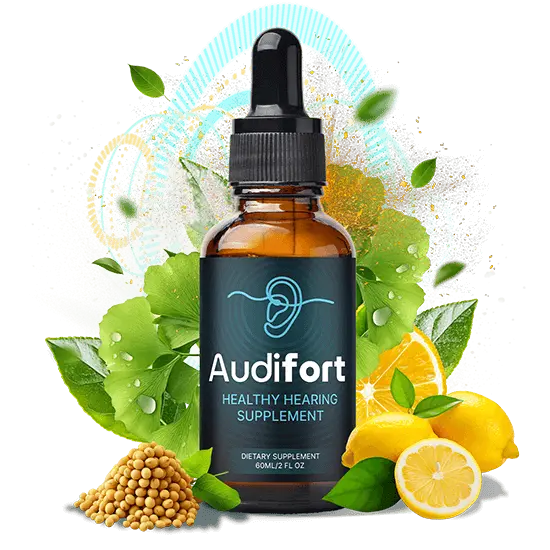
Take the First Step Towards Better Hearing Today with AudiFort
Don't let age-related hearing loss diminish your quality of life. AudiFort offers a natural, scientifically-backed approach to support your auditory health and help you reconnect with the sounds of the world.
- ✓ Supports Inner Ear Health & Function
- ✓ Promotes Healthy Blood Flow to Auditory System
- ✓ Protects Delicate Hair Cells from Oxidative Stress
- ✓ Formulated with 100% Natural Ingredients
- ✓ Made in the USA, GMP Certified Facility




What Our Customers Are Saying About AudiFort
"I was skeptical at first, but after a few weeks of taking AudiFort, I noticed a significant improvement in my ability to follow conversations, especially in noisy restaurants. It's not a miracle cure, but it's definitely helped my clarity."
"My doctor suggested trying a supplement for my mild age-related hearing loss before considering hearing aids. AudiFort has made a real difference. The constant ringing in my ears has quieted down, and I feel more engaged in daily life."
"I've been using AudiFort for three months now, and I'm very pleased. I can hear the birds singing again, and my family says I'm not asking 'what?' nearly as often. It's a great natural support for my ears."
Frequently Asked Questions
What is age-related hearing loss (presbycusis)?
+Age-related hearing loss, or presbycusis, is the gradual loss of hearing that occurs as people get older. It typically affects both ears equally and is most common in adults over 60. It often involves difficulty hearing high-pitched sounds and understanding speech in noisy environments.
How do hearing aids work?
+Hearing aids are electronic devices designed to amplify sound. They consist of a microphone to pick up sound, an amplifier to make the sound louder, and a receiver (speaker) to send the amplified sound into the ear. Modern hearing aids are highly sophisticated, offering features like noise reduction and directional microphones.
Can natural supplements really improve hearing?
+While supplements cannot reverse structural damage or cure severe hearing loss, certain natural compounds have been studied for their potential to support auditory health, protect against oxidative stress, and improve circulation to the inner ear. They may help maintain existing hearing and support overall ear function, especially for mild to moderate age-related decline. AudiFort, for example, combines ingredients known for these properties.
Are there any side effects to hearing aids or supplements?
+Hearing aids are generally safe, but some users may experience discomfort, feedback, or skin irritation. Supplements, while often natural, can still have side effects or interact with medications. It's crucial to consult a healthcare professional before starting any new supplement regimen to ensure it's safe and appropriate for your individual health.
How do I choose between hearing aids and supplements?
+The best approach depends on the severity and cause of your hearing loss. A professional audiological evaluation is essential to determine the extent of your condition. Hearing aids are the primary treatment for significant hearing loss. Supplements may be considered as a complementary approach for mild decline or to support overall auditory health, but should not replace professional medical advice or prescribed devices.
Where can I learn more about AudiFort and its ingredients?
+You can find comprehensive information about AudiFort, including a detailed breakdown of its natural ingredients, scientific research, and customer testimonials, on the official AudiFort website. It's always recommended to review product details thoroughly and consult with a healthcare professional.
Related Articles