Are you experiencing a decline in your hearing acuity?
It's a common concern, especially as we age. The subtle fading of sounds, the struggle to follow conversations in noisy environments, or the constant need to increase the TV volume are often early indicators of age-related hearing loss, medically known as presbycusis. While often seen as an inevitable part of aging, there's growing evidence that proactive measures can significantly impact your auditory health.
This comprehensive guide, authored by Dr. Thomas Baker, an Audiological Health Researcher, will delve into the powerful role of various exercises, lifestyle habits, and nutritional strategies that can help you naturally improve your hearing and protect your precious auditory system. Discover how simple, consistent efforts can lead to remarkable improvements in your ability to perceive and process sound.
Understanding Age-Related Hearing Loss (Presbycusis)
Age-related hearing loss, or presbycusis, is a gradual decline in hearing that affects most people as they get older. It's a natural part of aging, much like changes in vision or joint flexibility. However, understanding its mechanisms can empower us to take proactive steps.
Presbycusis typically involves changes in the inner ear, specifically the tiny hair cells (stereocilia) in the cochlea. These hair cells are responsible for converting sound vibrations into electrical signals that are sent to the brain. Over time, due to a combination of genetic predisposition, chronic noise exposure, certain medications, and lifestyle factors, these delicate cells can become damaged or die. Once destroyed, they do not regenerate, leading to a permanent reduction in hearing sensitivity, especially for high-frequency sounds.
Beyond the inner ear, age can also affect the auditory nerve pathways that transmit signals to the brain, and even the brain's ability to process and interpret these signals. This means that even if sounds are reaching the brain, the clarity and understanding of speech, particularly in noisy environments, can be significantly impaired. The impact of hearing loss extends far beyond just missing sounds; it can lead to social isolation, cognitive decline, and reduced quality of life. Recognizing the early signs and understanding the underlying causes is the first crucial step towards managing and potentially improving your auditory health naturally.
💡 Key Takeaway
Age-related hearing loss (presbycusis) is a common, progressive condition primarily caused by damage to inner ear hair cells and changes in auditory processing. While irreversible, its progression can be mitigated and auditory function improved through targeted natural interventions.
The Science of Auditory Plasticity: Can Hearing Truly Improve?
For a long time, hearing loss was considered irreversible and untreatable without medical devices. However, modern neuroscience has revealed the incredible power of neuroplasticity – the brain's ability to reorganize itself by forming new neural connections throughout life.
While the physical damage to inner ear hair cells may be permanent, the brain's auditory cortex can be trained and stimulated to better interpret the signals it receives. This concept, known as auditory plasticity, means that even with fewer or damaged hair cells, the brain can learn to compensate, making better use of the remaining auditory information. Consistent and targeted stimulation can strengthen neural pathways, improve sound processing speed, and enhance the brain's ability to filter out background noise and focus on important sounds like speech. This is why exercises and habits aimed at stimulating the auditory system are so crucial; they are not necessarily "healing" the ear, but rather "retraining" the brain to hear better. This scientific understanding forms the foundation for many natural approaches to improving hearing.
Auditory Training Exercises: Sharpening Your Brain's Hearing Centers
Just like any muscle, your brain's auditory processing centers can be strengthened and refined with regular exercise. These exercises don't necessarily restore damaged hair cells, but they enhance your brain's ability to interpret and differentiate sounds, leading to clearer perception.
Sound Differentiation Practice
This involves training your brain to distinguish between similar sounds. Start by listening to various sounds – be it musical notes, different voices, or environmental noises – and try to identify subtle differences in pitch, tone, and volume. There are many apps and online programs designed specifically for this purpose, offering graduated challenges to improve your auditory discrimination skills.
Speech-in-Noise Training
One of the most common complaints with age-related hearing loss is difficulty understanding conversations in noisy environments. Speech-in-noise exercises specifically target this. You can practice by listening to podcasts or audiobooks while low-level background noise is playing, gradually increasing the complexity of the noise. This trains your brain to filter out distractions and focus on speech signals.
Directional Hearing Exercises
Knowing where a sound comes from is vital for safety and social interaction. To improve directional hearing, try closing your eyes and having a friend move around you, speaking or making a sound. Point to where you perceive the sound to be coming from. This helps your brain process binaural cues more effectively, improving your ability to localize sounds in space.
Active Listening and Engagement
Beyond structured exercises, simply engaging more actively in listening can make a difference. Make an effort to pay close attention during conversations, even when it's challenging. Try to recall details of what was said, summarize points, and ask clarifying questions. This active engagement keeps your auditory processing centers stimulated and engaged, fostering better overall comprehension.
💡 Key Takeaway
Auditory training exercises, such as sound differentiation and speech-in-noise practice, harness neuroplasticity to improve the brain's ability to process and interpret sounds, enhancing clarity and comprehension even with existing hearing challenges.
Mindfulness and Stress Reduction: A Calm Path to Clearer Hearing
The connection between mental well-being and physical health, including hearing, is increasingly recognized. Chronic stress and anxiety can exacerbate perceived hearing difficulties and even contribute to conditions like tinnitus, a persistent ringing in the ears.
When you are stressed, your body diverts resources to "fight or flight" responses, potentially reducing blood flow to non-essential areas like the inner ear. Moreover, stress can heighten your overall sensitivity, making you more aware of, and perhaps more bothered by, existing hearing challenges. Practicing mindfulness and stress reduction techniques can significantly improve your ability to focus, reduce mental clutter, and enhance your perception of sounds. Techniques such as meditation, deep breathing exercises, and yoga can calm the nervous system, improve circulation, and help you better manage the cognitive load associated with listening difficulties. By reducing mental noise, you create a clearer pathway for auditory signals to be processed, leading to a less strained and potentially more effective listening experience. Integrating these practices into your daily routine can offer a profound benefit beyond just hearing, impacting your overall well-being.
Dietary Habits for Optimal Auditory Health: Fueling Your Ears
What you eat profoundly impacts every organ in your body, and your ears are no exception. A nutrient-rich diet can provide the essential building blocks and protective compounds necessary for maintaining healthy auditory function and mitigating age-related decline.
Focus on foods rich in antioxidants like Vitamins C and E, beta-carotene, and selenium. These powerful compounds combat oxidative stress, a major contributor to inner ear damage. Berries, leafy greens, citrus fruits, nuts, and seeds are excellent sources. Omega-3 fatty acids, found in fatty fish like salmon and flaxseeds, are known for their anti-inflammatory properties and ability to improve blood flow, both crucial for the delicate structures of the inner ear. Research has also highlighted the importance of specific minerals: Magnesium can protect hair cells from noise-induced damage, while Zinc supports immune function and cellular repair in the auditory system. Foods like spinach, bananas, dark chocolate (magnesium), and legumes, nuts (zinc) are beneficial. Additionally, sufficient intake of Folic Acid (found in lentils, broccoli, and fortified cereals) has been linked to improved blood flow to the cochlea. Conversely, a diet high in processed foods, sugar, and unhealthy fats can contribute to inflammation and vascular issues that negatively impact hearing. Proper hydration is also key, as the inner ear relies on fluid balance for optimal function. By making conscious dietary choices, you can actively support your auditory health from within.

💡 Key Takeaway
A diet rich in antioxidants, omega-3 fatty acids, magnesium, zinc, and folic acid protects inner ear health and supports auditory function, while mindful eating and hydration are essential for overall ear well-being.
Lifestyle Adjustments: Protecting and Nurturing Your Hearing
Beyond exercises and diet, several lifestyle choices play a pivotal role in preserving your hearing and preventing further decline. These habits are foundational to a comprehensive approach to auditory health.
Protect Your Ears from Noise
Noise-induced hearing loss is one of the most preventable forms of hearing damage. Always use earplugs or earmuffs when exposed to loud noises, whether at concerts, construction sites, or even while using noisy household appliances. Keep the volume on headphones and earbuds at a moderate level (the 60/60 rule: 60% volume for no more than 60 minutes at a time). Give your ears regular "quiet breaks" to recover from daily sound exposure.
Engage in Regular Physical Activity
Exercise isn't just good for your heart; it's great for your ears too. Regular physical activity, such as walking, jogging, or cycling, improves blood circulation throughout the body, including the delicate blood vessels of the inner ear. Enhanced blood flow ensures that the hair cells and other auditory structures receive an adequate supply of oxygen and nutrients, helping them function optimally and potentially slowing down age-related degeneration.
Avoid Smoking and Excessive Alcohol
Smoking has been conclusively linked to an increased risk of hearing loss. Nicotine and other toxins in cigarette smoke can restrict blood flow to the inner ear and damage hair cells. Similarly, excessive alcohol consumption can have a toxic effect on the inner ear and auditory processing centers in the brain. Limiting or eliminating these habits is a significant step towards preserving your hearing health.
Manage Chronic Health Conditions
Conditions like diabetes, hypertension, and cardiovascular disease can significantly impact hearing. These diseases often affect circulation and nerve health, which are vital for auditory function. Effectively managing these conditions through medication, diet, and lifestyle changes, in consultation with your doctor, can help protect your hearing. For instance, uncontrolled blood sugar can damage the tiny blood vessels in the inner ear, leading to hearing impairment.
Regular Hearing Check-ups
Even if you feel your hearing is fine, regular check-ups with an audiologist or ENT specialist are crucial, especially as you age. These professionals can detect subtle changes early, offer personalized advice, and rule out other underlying conditions. Early detection and intervention can make a significant difference in managing and preserving your hearing. You might also want to explore options like comparing hearing aids vs. supplements for your specific needs.
💡 Key Takeaway
Protecting ears from noise, regular exercise, avoiding harmful substances, managing chronic diseases, and routine check-ups are essential lifestyle habits for long-term hearing preservation and improved auditory health.
The Role of Natural Supplements: Supporting Your Auditory System
While exercises, diet, and lifestyle adjustments form the bedrock of natural hearing improvement, certain natural supplements can provide targeted nutritional support, working synergistically with these efforts to optimize auditory health.
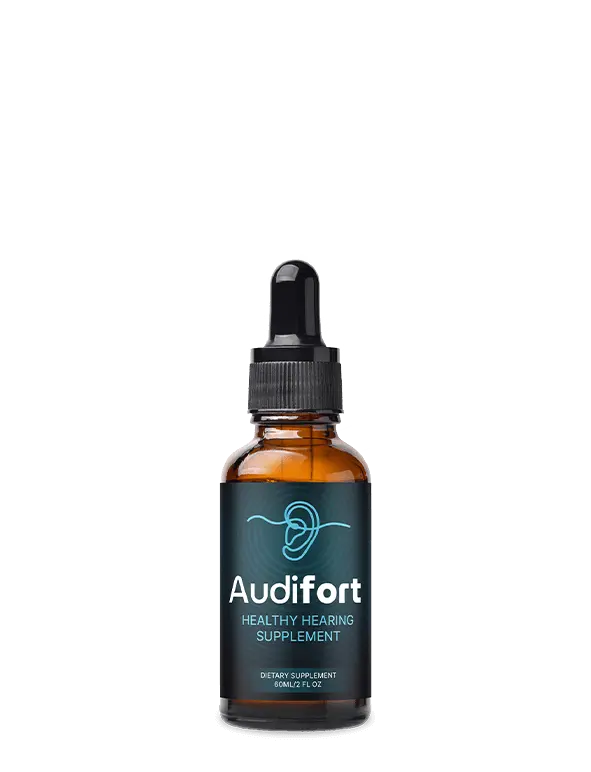
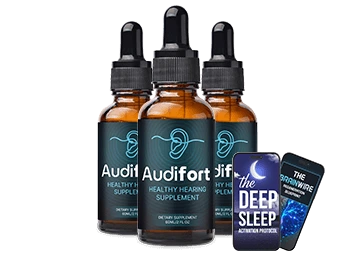
Many supplements are formulated with vitamins, minerals, and botanical extracts known for their neuroprotective, anti-inflammatory, and circulatory benefits, all of which are vital for the delicate structures of the inner ear and the complex neural pathways of the auditory system. For example, ingredients like certain B vitamins, magnesium, zinc, and specific herbal extracts have been studied for their potential to support nerve function, enhance blood flow to the cochlea, and protect against oxidative stress. While supplements are not a cure for hearing loss, they can play a supportive role in nourishing your auditory system and potentially slowing down age-related decline, especially when dietary intake might be insufficient. It's important to choose high-quality, reputable supplements that use clinically studied ingredients. One such example is AudiFort, a natural formula designed to support hearing health from multiple angles. Supplements containing ingredients like Ginkgo Biloba are also often discussed for their potential benefits to circulation, which is vital for ear health.
Key Ingredients in AudiFort for Auditory Support
AudiFort is formulated with a blend of natural ingredients carefully selected for their potential benefits in supporting auditory health and cognitive function, crucial for effective hearing.

Capsicum Annuum
Role: Known for its circulatory benefits, Capsicum Annuum (Cayenne pepper) helps improve blood flow throughout the body, including the tiny blood vessels that supply the inner ear. Enhanced circulation ensures that the delicate hair cells receive vital oxygen and nutrients, supporting their function and overall health.
50-100mg daily
GABA (Gamma-Aminobutyric Acid)
Role: GABA is a primary inhibitory neurotransmitter in the brain, playing a crucial role in calming neural activity. In the context of hearing, GABA can help modulate auditory processing, reduce overstimulation, and potentially alleviate symptoms related to auditory stress or tinnitus, promoting a more balanced neural environment for sound perception.
100-200mg daily
Grape Seed Extract
Role: A potent source of antioxidants, particularly proanthocyanidins, Grape Seed Extract helps protect the inner ear from oxidative damage caused by free radicals. Its anti-inflammatory properties further support the health of auditory cells and blood vessels, contributing to overall ear health and function.
50-100mg daily
Green Tea Extract
Role: Rich in polyphenols, especially EGCG, Green Tea Extract is a powerful antioxidant and anti-inflammatory agent. It helps protect auditory hair cells from environmental stressors and age-related decline, while also supporting healthy brain function, which is critical for processing auditory information effectively.
100-200mg daily
Gymnema Sylvestre
Role: Traditionally used in Ayurvedic medicine, Gymnema Sylvestre is known for its potential to support healthy blood sugar levels. Stable blood sugar is vital for the health of the tiny blood vessels in the inner ear, helping to prevent damage that can lead to hearing impairment and maintaining optimal nerve function.
100-200mg daily
Maca Root
Role: An adaptogenic herb, Maca Root is prized for its ability to support overall vitality, energy, and hormonal balance. While not directly a hearing ingredient, its general benefits for circulation, energy, and stress reduction can indirectly contribute to improved overall health, including supporting the body's capacity to maintain auditory function.
200-500mg dailyChoosing the Right Path: Integrating Solutions for Lasting Results
Embarking on a journey to improve hearing naturally requires a holistic and consistent approach. No single exercise, diet change, or supplement is a magic bullet, but rather a combination of these elements working in harmony.
The key to lasting improvements lies in integration. Start by identifying which areas of your lifestyle need the most attention – perhaps it's consistent auditory exercises, a more nutrient-dense diet, or better stress management. Begin with small, manageable changes and gradually build them into your daily routine. Consistency is paramount; just like physical exercise, the benefits of auditory training and healthy habits accumulate over time. Remember to consult with an audiologist or ENT specialist to get a professional assessment of your hearing and to discuss any new regimens, especially if you have existing medical conditions or are taking medications. They can provide personalized advice and monitor your progress. By combining targeted exercises, a supportive diet, protective lifestyle habits, and potentially natural supplements like AudiFort, you can empower yourself to take control of your auditory health and enjoy a richer, clearer world of sound for years to come.
Ready to Naturally Support Your Hearing Health?
AudiFort offers a unique blend of natural ingredients formulated to support your auditory system and enhance overall hearing clarity. Don't let age-related hearing loss diminish your quality of life.
- ✓ Supports healthy auditory nerve function
- ✓ Enhances blood flow to the inner ear
- ✓ Protects delicate ear cells from damage
- ✓ Promotes cognitive clarity for better sound processing
- ✓ Made with 100% natural, plant-based ingredients




What Our Customers Are Saying
"I was skeptical at first, but after a few weeks of using AudiFort along with my listening exercises, I've noticed a significant improvement in my ability to follow conversations, especially in noisy restaurants. It's truly made a difference!"
"My doctor suggested I try natural approaches for my age-related hearing decline. AudiFort was recommended, and I'm so glad I tried it. The constant ringing has lessened, and sounds feel clearer, more vibrant. Highly recommend for anyone looking for natural support."
"I've been taking AudiFort for three months now, and I can honestly say my hearing feels sharper. I'm picking up on subtle sounds I used to miss. It's given me back confidence in social settings. Plus, it's all natural, which I appreciate."
Frequently Asked Questions
Can age-related hearing loss truly be improved naturally?
+While age-related hearing loss (presbycusis) is often progressive, numerous studies and anecdotal evidence suggest that consistent application of auditory exercises, healthy lifestyle habits, and a nutrient-rich diet can significantly slow its progression, improve auditory processing, and enhance overall hearing clarity. It's about optimizing your body's natural capabilities.
What are the most effective auditory exercises for better hearing?
+Effective auditory exercises include sound differentiation (identifying subtle differences in pitch, tone, and volume), speech-in-noise training (focusing on conversations amidst background noise), and directional hearing practice (pinpointing sound sources). Many smartphone apps and online programs are designed to guide you through these exercises, stimulating your brain's auditory cortex.
How does diet impact hearing health?
+A diet rich in antioxidants (vitamins C, E, beta-carotene), omega-3 fatty acids, magnesium, zinc, and folic acid is crucial for auditory health. These nutrients help protect delicate inner ear hair cells from damage, improve blood flow to the auditory system, and reduce inflammation. Avoiding processed foods and excessive sugar also contributes positively.
Is stress reduction really beneficial for hearing?
+Absolutely. Chronic stress can negatively impact overall health, including auditory function. Stress can increase inflammation, restrict blood flow, and heighten sensitivity to noise. Practices like mindfulness meditation, deep breathing exercises, and yoga can reduce stress, which in turn can improve focus on sounds and potentially mitigate the perception of hearing difficulties.
When should I consider natural supplements like AudiFort?
+Natural supplements can be considered as a supportive measure alongside healthy habits, especially if your diet might be lacking specific nutrients beneficial for hearing. AudiFort, for example, combines several ingredients known for their neuroprotective and circulatory benefits. It's always recommended to consult with a healthcare professional before starting any new supplement regimen to ensure it's appropriate for your individual needs.
How long does it take to see improvements from these natural methods?
+The timeline for noticing improvements varies greatly among individuals, depending on the severity of hearing loss, consistency of practice, and overall health. Some people may observe subtle changes within a few weeks, while for others, it might take several months of dedicated effort. Consistency in exercises, diet, and lifestyle changes is key to achieving and maintaining long-term benefits.
Related Articles